Ask most people what “laser technology” brings to mind, and they’ll probably picture something industrial, an automotive assembly line, a large-scale manufacturing plant, heavy machinery behind safety glass. That image isn’t wrong, exactly. It’s just increasingly incomplete. These days, a laser engraving and cutting machine is just as likely to be sitting in a local sign shop, a small jewellery studio, a school’s design and technology room, or a two-person engineering business as it is in a major factory. Machines have become more affordable, the software controlling them has gotten far easier to pick up, and the range of things people are actually using lasers for has widened considerably. Here’s a look at what that shift looks like in practice across the UK, and why so many small operations are adopting the technology.
Sign Making Is One of the Fastest-Growing Laser Applications in the UK
Signage remains one of the most reliably profitable niches for a small business laser setup, and it’s easy to see why once you compare it to the old way of doing things. Before laser cutters became widely accessible, producing a custom sign generally meant routing, hand-finishing, or a fair amount of manual labour just to get clean lettering or a detailed logo. A complex design could easily eat up an entire afternoon.
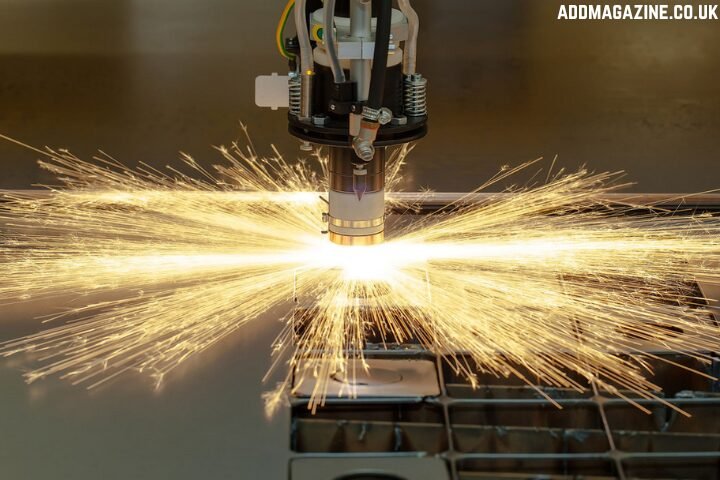
A modern CO₂ laser engraver collapses most of that process into a single automated job. With the right settings dialled in, one machine can turn out retail signage, office branding, property signs, wedding and event displays, architectural lettering, and directional signage — all with consistent quality and minimal hands-on time. Acrylic in particular tends to come off the machine with a clean, polished edge already, which cuts out a finishing step that used to eat into margins.
For a sign-making business, that translates into fairly concrete gains: lower labour cost per job, faster turnaround for customers, more jobs completed in the same working week, and better margins on custom orders. And because a single CO₂ machine can handle acrylic, wood, MDF, card, and leather without needing a different setup for each, a sign maker can diversify into adjacent product lines, engraved plaques, wooden displays, leather-bound menus, without buying separate equipment for each material.
Why Intelligent Software Is Just as Important as the Hardware
Hardware improvements get most of the attention, but the software running alongside a laser has arguably changed the day-to-day experience just as much. LightBurn has become something close to an industry standard for small operators, and for good reason: it lets you import artwork, adjust the design, set cutting and engraving parameters, preview exactly what the job will look like, and send it straight to the machine, all from one interface, rather than juggling separate programs for each step.
For a business processing customer orders every day, that consolidation saves real time. Whether you’re batch-producing personalised keychains, running a queue of custom signage orders, or preparing a one-off promotional piece for a client, having a single streamlined workflow is a big part of what makes laser work approachable for someone without an engineering background.
Safety Is Still Non-Negotiable, Whatever the Setting
As more small businesses, schools, and home studios bring lasers into their workspace, safety hasn’t become any less important just because the equipment is more common. Both CO₂ and fibre lasers are genuinely powerful tools, and a responsibly run laser workspace generally includes a few consistent elements: a properly enclosed machine, effective fume extraction or filtration, clearly defined operating procedures, staff who’ve actually been trained on the equipment, and sensible precautions during maintenance work.
Material choice matters just as much as the machine setup. Some materials release genuinely hazardous fumes when cut or engraved; PVC is the classic example, since it releases corrosive chlorine gas and should never go anywhere near a laser bed. Whether you’re running a commercial workshop, a school makerspace, or a laser tucked into a spare room at home, decent ventilation and sensible material selection aren’t optional extras.
The Bigger Picture: How Laser Technology Feeds Into UK Manufacturing
Small businesses are adopting lasers at a fast clip, but it’s worth noting that larger industry is still driving a lot of the underlying innovation, and some of that eventually filters down to smaller operators. Electric vehicle manufacturing is one of the clearer examples. Across the automotive sector, laser systems are used for battery welding, component marking, traceability, precision cutting, and quality control, with fibre lasers in particular doing a lot of the heavy lifting on battery packs and electrical components where tight tolerances matter.
A small local workshop obviously isn’t manufacturing EV batteries. But the same fibre laser advances developed for that kind of precision work tend to eventually show up in smaller, more affordable machines, better reliability, faster processing, more consistent output — which is part of why fibre laser equipment aimed at small businesses keeps improving year over year.
Laser Cutters Are Becoming a Fixture in UK Classrooms
Education is another area where this technology has taken hold quickly. Schools, colleges, and universities across the UK are increasingly building laser cutters and engravers into Design and Technology classes, engineering courses, STEM programmes, product design modules, and school makerspaces. The appeal for educators is fairly direct: a laser closes the gap between a digital design and a physical object almost immediately. A student can sketch a project on screen, prepare the cutting file, run the machine, and be holding the finished piece before the lesson ends. That kind of fast feedback loop is genuinely useful for building skills in design thinking, CAD software, problem-solving, and basic manufacturing workflows, skills that map fairly directly onto engineering and design careers later on.
What This Actually Means for Small Businesses
At the heart of each of these ideas is the goal of making things easier for everyone to access and use. A decade ago, laser technology sat mostly out of reach for smaller operators; the cost and complexity kept it firmly in industrial territory. That’s no longer the case. A local sign shop can now turn out acrylic signage that looks genuinely professional. A one-person personalised gifts business can engrave hundreds of items a week without breaking a sweat. A small fabrication workshop can add permanent traceability marks to metal parts. A secondary school can give students hands-on manufacturing experience as part of a normal class. None of this requires an industrial-scale budget or a warehouse-sized workshop, just the right machine for the job.
Choosing the Right OMTech Machine for the Job
Different applications call for different machines, and OMTech’s range of laser machines covers most of what a growing UK small business is likely to need. For businesses just getting into signage, personalised gifts, or general small-batch production, the OMTech Polar 50W Desktop CO2 Laser Engraver is a sensible starting point. It’s compact enough for a home studio or small workshop, handles the acrylic, wood, MDF, and leather work covered above, and comes with rotary compatibility for cylindrical items like tumblers and bottles, useful once personalised gifts become a regular part of the product line.
Once order volume grows past what a desktop unit can comfortably handle, the OMTech Pronto 60W CO2 Laser Cutter and Engraver is a natural next step. Its larger 700 x 500mm working area and higher power make it far better suited to batch signage production, bigger acrylic panels, and the kind of repeat commercial orders that a sign-making business tends to accumulate as it grows.
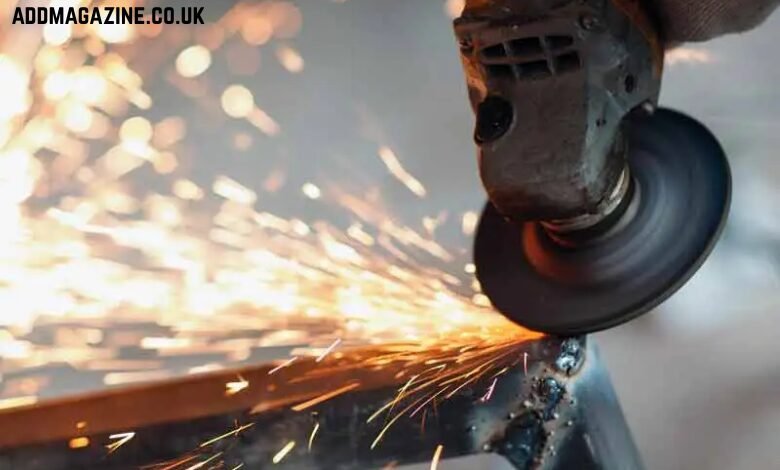
If metalwork becomes part of the plan- permanent branding, serial numbers, or traceability marking on components- in the same spirit as the marking work described in the automotive section above, the OMTech 50W Fibre Laser (F-50) is built specifically for that. It marks and engraves stainless steel, aluminium, and other metals with the speed and precision a CO₂ machine isn’t designed for.
Laser technology isn’t reserved for large industrial manufacturers anymore. Across the UK, small businesses, schools, and independent makers are using it to build real product lines, cut down production time, and teach genuinely useful, modern manufacturing skills — all with machines that fit a realistic budget and a realistic amount of floor space.