Construction projects are becoming larger, faster and more technically advanced. From residential towers and commercial developments to industrial facilities, infrastructure projects and large-scale communities, modern construction requires careful planning at every stage.
When people think about construction storage, they often think about warehouses, material yards or temporary site containers. However, modern projects require much more than basic storage. Water, equipment, construction materials, chemicals, fuel and other essential resources may need to be stored safely and efficiently throughout different stages of development.
In the UAE and wider Gulf region, storage requirements can be particularly demanding. High temperatures, strong sunlight, dusty environments, remote construction locations and fast project schedules create conditions where traditional storage approaches may not always be sufficient.
Innovative storage technologies are helping contractors, developers and facility managers improve flexibility, efficiency and reliability while adapting to modern project requirements.
Why Storage Matters in Modern Construction
Every construction project depends on the availability of essential resources.
Water may be required for workers, cleaning, concrete-related activities, dust control and other site operations. Materials need to be protected from environmental conditions. Equipment must be stored securely, and temporary infrastructure may be required before permanent facilities are completed.
Poor storage planning can create delays and unnecessary costs.
For example, if a construction site does not have sufficient water storage, workers may face interruptions and contractors may need to arrange additional deliveries. Similarly, poorly protected materials can be damaged by heat, moisture or dust.
Storage should therefore be considered part of the project’s infrastructure rather than an afterthought.
Modern Water Storage Solutions
Water storage is one of the most important temporary infrastructure requirements on many construction sites.
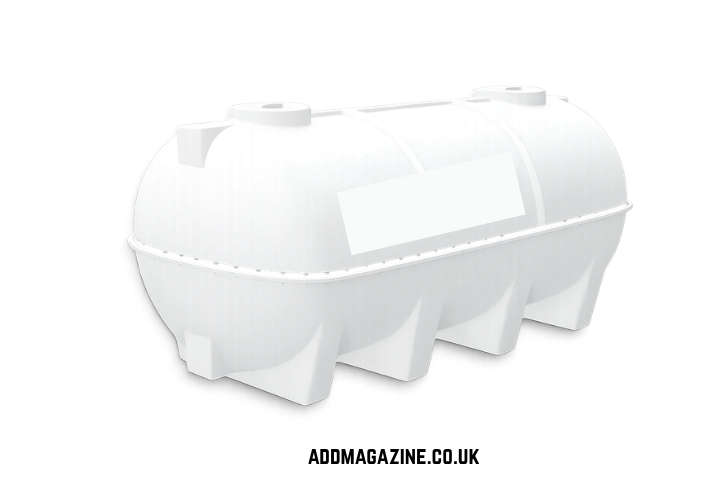
Modern construction projects may use polyethylene water tank, GRP tank, steel tanks and other storage solutions depending on the application.
Polyethylene tanks are particularly useful in many situations because they are relatively lightweight, corrosion resistant and available in different capacities and configurations.
They can be used for various applications where appropriate, including general site water storage and other approved water-storage requirements.
The correct tank should always be selected according to capacity, intended use, installation conditions and project requirements.
Large Capacity Water Tanks for Construction Sites
Large construction projects can require substantial quantities of water.
A high-rise development, infrastructure project or large industrial site may have a significantly greater requirement than a small residential construction project.
Large vertical water tanks can provide substantial storage capacity while using a relatively limited ground footprint.
This can be valuable on busy construction sites where available space is already occupied by equipment, materials, vehicles and temporary facilities.
Tank capacity should be calculated carefully to avoid both insufficient storage and unnecessary excess capacity.
Modular Storage Systems
Modular storage is becoming increasingly important in modern construction.
Unlike traditional permanent systems, modular solutions can often be adapted as project requirements change.
Construction projects rarely remain static. Site layouts change, additional buildings are added and different phases of work require different resources.
A modular storage approach can make it easier to adjust capacity or relocate certain systems when required.
This flexibility can be particularly useful for large developments that are constructed in multiple phases.
Smart Monitoring for Storage Systems
Technology is changing how construction sites manage stored resources.
Water tanks can be combined with level monitoring systems that provide information about remaining capacity.
Instead of relying entirely on manual inspections, site teams can use monitoring equipment to understand when storage levels are becoming low.
Depending on the system, monitoring may include sensors, alarms, remote access and automated notifications.
This can help improve delivery planning and reduce the risk of unexpected shortages.
The same principle can be applied to other storage systems where monitoring is appropriate.
UV Protection for Outdoor Storage
The UAE construction environment presents specific challenges for outdoor storage.
Construction sites often have limited shade, exposing equipment and storage systems to strong sunlight for extended periods.
For polyethylene water tanks, UV-stabilized materials can be an important consideration when the tank is installed outdoors.
Tank location should also be considered. Where practical, positioning storage equipment away from unnecessary direct sunlight can help reduce environmental exposure.
The material and design should be appropriate for the expected operating conditions.
Portable Storage for Temporary Projects
Construction sites are temporary by nature.
A project may operate in one location for several months or several years before the site is transformed into a completed development.
Portable storage solutions can therefore provide valuable flexibility.
Water tanks and other storage equipment can be selected for ease of installation, relocation and reuse where appropriate.
This can reduce the need to create permanent storage infrastructure during the early stages of development.
Portable solutions may also be useful for remote construction sites where permanent utilities are not yet available.
Efficient Use of Limited Site Space
Construction sites are often crowded.
Cranes, vehicles, scaffolding, materials, worker facilities and machinery all compete for available space.
Storage systems need to be selected with the site layout in mind.
Vertical storage can be useful where ground space is limited. Horizontal tanks may be more suitable where height restrictions exist.
The best solution depends on the site’s available space, required capacity, access requirements and safety considerations.
Good storage planning can help contractors use available space more efficiently.
Durable Materials for Demanding Environments
Storage equipment used on construction sites needs to withstand challenging conditions.
Dust, heat, movement, handling and frequent use can all affect equipment.
Choosing durable materials can help reduce maintenance and replacement requirements.
For water storage tanks, polyethylene and GRP are among the materials that may be considered depending on the application.
The decision should be based on the project’s requirements rather than simply choosing a material because it is commonly used.
Storage for Remote Construction Projects
Not every construction project is located within an established urban area.
The UAE and GCC region include remote infrastructure projects, industrial developments, agricultural facilities and other sites where access to utilities can be limited during construction.
In these environments, temporary storage can become an essential part of project logistics.
Water storage can support workers and site activities while permanent infrastructure is being developed.
Reliable storage also reduces dependence on frequent deliveries, although delivery planning will still be necessary for longer projects.
Construction Water Management
Storage technology is only one part of effective water management.
Construction companies should also consider how water enters the site, where it is stored, how it is distributed and how consumption is monitored.
Leaks, inefficient usage and poorly planned distribution can increase costs.
A combination of suitable storage capacity, efficient distribution and monitoring can help construction teams manage water more effectively.
Maintenance and Safety
Even advanced storage systems require proper maintenance.
Construction teams should regularly inspect tanks, fittings, valves, hoses, pumps and supporting equipment.
Storage areas should remain accessible for inspection and maintenance.
Tanks should also be installed securely and according to the manufacturer’s recommendations.
For potable water storage, additional hygiene and cleaning requirements should be considered.
The storage system should always be managed according to the type of material or resource being stored.
Reducing Construction Delays
One of the biggest advantages of improved storage planning is reliability.
Construction schedules depend on many interconnected activities. A shortage of essential resources can delay work and affect multiple contractors.
Reliable water storage can help reduce the risk of interruptions caused by inadequate on-site supply.
Similarly, well-organized material storage can reduce time wasted searching for equipment or replacing damaged materials.
Storage may seem like a small part of a major construction project, but its impact on productivity can be significant.
Planning Storage for Different Construction Phases
A project may have different storage requirements at different stages.
During initial site preparation, temporary water storage may be the priority.
During structural construction, water demand and material storage requirements may increase.
During finishing stages, the focus may shift toward cleaning, landscaping and commissioning.
Storage systems should therefore be reviewed as the project progresses.
A solution that works during the early construction phase may not be appropriate for the later stages.
Choosing the Right Storage Technology
Before selecting a storage system, contractors and project managers should consider several factors.
The first is capacity. How much material or water needs to be stored?
The second is space. Where will the system be installed?
The third is environment. Will it be exposed to heat, sunlight, dust or other conditions?
The fourth is duration. Is the storage system required for several weeks, several months or the entire project?
The fifth is maintenance. Can the system be easily inspected, cleaned and repaired?
Finally, consider future requirements. Can the storage solution be expanded, relocated or reused?
These questions can help project teams select a solution based on practical requirements rather than price alone.
The Future of Construction Storage
Storage technology is likely to become increasingly connected and efficient.
Remote monitoring, automated alerts, smart sensors and data-driven resource management can help construction teams understand what is happening on site in real time.
For water storage, future systems may provide more detailed information about consumption, remaining capacity and potential problems.
However, technology will not replace good planning.
A smart sensor cannot compensate for an undersized tank or poor installation. Reliable infrastructure still begins with selecting the right equipment and designing the system correctly.