
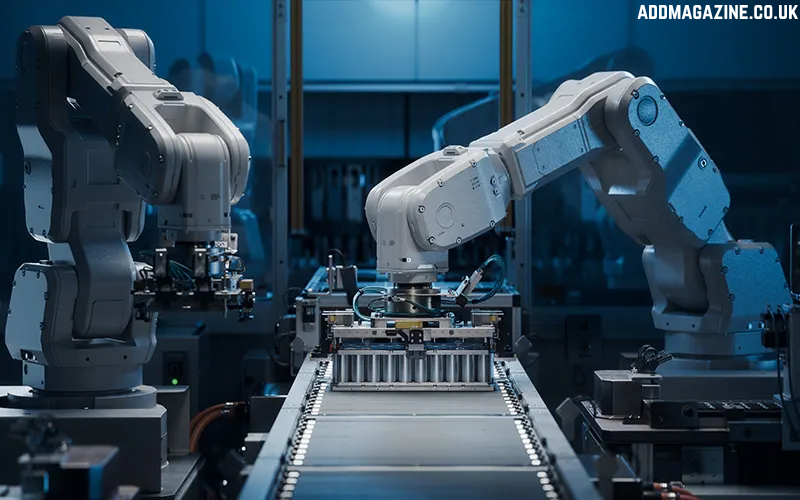
As technology surges forward at an unprecedented pace, industries across the globe are experiencing profound transformations. The mining sector is no exception and is one of the industries at the forefront of technological change. The advent of mining automation is significantly reshaping the roles and responsibilities of the underground workforce. By leveraging cutting-edge technologies, the mining industry is increasing efficiency, safety, and productivity, while also bringing to the fore a paradigm shift in the traditional workforce structure.
Enhancing Safety and Reducing Human Exposure
One of the most significant advantages of mining automation is the enhancement of safety in hazardous mining environments. Underground mining presents numerous risks, including cave-ins, explosions, and exposure to harmful substances. Automation reduces these risks by limiting the need for human presence in dangerous zones. Machines can now perform tasks that were previously considered high-risk, such as drilling and blasting, thereby reducing the number of accidents and fatalities. As a result, the role of the workforce is shifting towards supervisory and maintenance roles, overseeing the automated systems rather than performing the high-risk operations themselves.
Increasing Operational Efficiency
With the integration of automation, mining operations have become markedly more efficient. Machines controlled by sophisticated software can operate 24/7, unaffected by fatigue or harsh environmental conditions. This continuous operation has the potential to significantly increase production output. Moreover, automated systems can optimize resource allocation through precise data collection and analysis, ensuring the maximum yield from mining activities. The workforce is therefore experiencing a shift from manual labour to roles focused on data monitoring, analysis, and machine maintenance, requiring a different skill set and thus promoting the need for upskilling.
The Evolution of Job Roles
Automation in mining doesn’t purely imply a reduction in workforce size; rather, it marks an evolution in job roles. Traditional roles such as drill operators and miners are transforming into more technologically oriented positions such as automation and robotics specialists, data analysts, and maintenance technicians. This transition requires workers to acquire new skills and adapt to new technologies. Continuous learning and professional development have become essential components of career growth in this transformed industry, signaling a departure from the more static skill sets of the past.
Environmental Impact and Sustainability
Another area where automation is making a profound impact is environmental sustainability. Automated systems are generally more precise in their operations, thereby reducing waste and minimising the environmental footprint of mining activities. These technologies can monitor and manage environmental impacts more effectively, ensuring compliance with regulations and promoting environmentally friendly practices. As a result, mining companies are placing greater emphasis on roles focused on environmental management and sustainability, further broadening the scope of opportunities available within the sector.
Challenges and Future Prospects
Despite the obvious benefits, the transition towards a fully automated mining industry presents several challenges. These include the initial high costs of implementing automated systems, the need for significant investment in training and upskilling of the workforce, and concerns about job displacement. Nonetheless, the long-term prospects remain promising. As automation technologies continue to advance, the potential for even greater efficiencies, safety enhancements, and environmental benefits is considerable. The mining industry is likely to witness new job creation in emerging fields, offering fresh opportunities for the workforce.
In conclusion, automation is not only changing how mining operations are conducted but is also profoundly transforming the role of the underground workforce. By embracing these changes and investing in skills development, the industry can ensure a positive future amid the evolving landscape. The adaptation to these technological changes is paramount, promising a safer, more efficient, and environmentally conscious mining industry.