
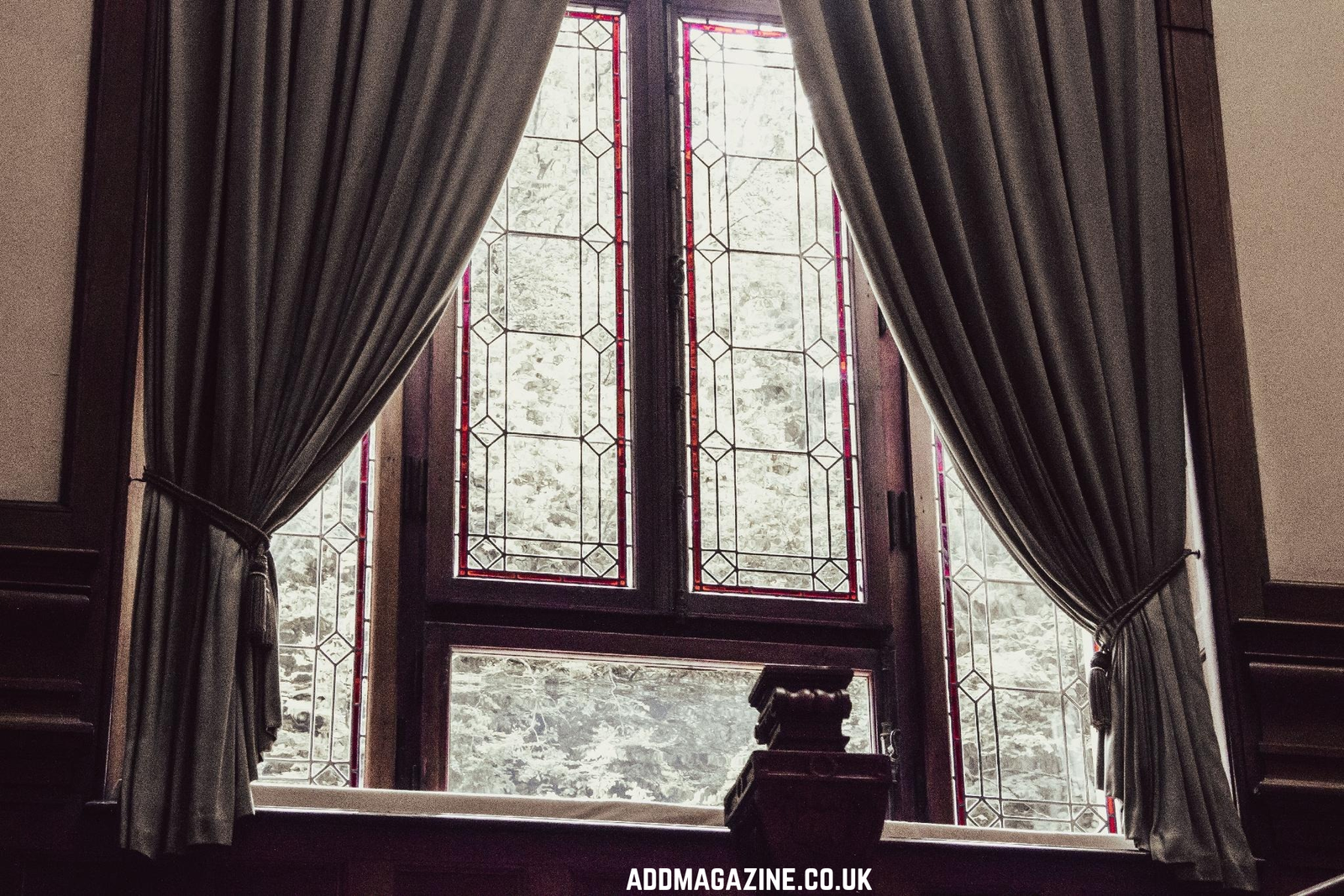
If you live in a period home with original timber sash windows, replacing them can seem like the obvious answer to a cold room this winter.
The research says otherwise. A study for English Heritage, now Historic England, tested a series of fixes on an 1880s timber sash window at Glasgow Caledonian University. Each one reduced heat loss or air leakage while the original window stayed in place. This guide sets out what was tested, what each fix achieved, and what to check before you start.
Start With the Draughts
Understanding the amount of heat lost through a home’s windows can help identify opportunities to improve energy efficiency. Research by Heriot-Watt University for Historic Environment Scotland, reported in The Building Conservation Directory, found that windows accounted for 15% of heat loss in a traditional detached house and 19% in a flat. Air infiltration and ventilation accounted for 22% in the detached house.
The same publication makes a simple point: a draughty room feels cold even at 21°C. That is why it recommends tackling draughts first, through repairs and then draught stripping where needed, before any other thermal improvement.
1. Repair the Sashes
In the English Heritage research, repairing the window’s joinery alone cut air leakage by 34%.
Historic England’s guidance on traditional windows says they can often be repaired simply and economically, usually at less cost than replacement. Repair also affects which rules apply. In England, the Planning Portal says Building Regulations do not normally apply where the work is no more than replacing broken glass, rotten sashes or rotten sections of the main frame.
One caution applies to old paintwork. Cambridge City Council’s guidance notes that lead was used in some paints for windows, doors and other woodwork until the mid-1960s. It advises against dry sanding old paint, and says young children and pregnant women are most at risk.
2. Draught-Proof the Sashes
Draught-proofing made the biggest difference to draughts of any single fix in the study. It cut air leakage through the window by 86% compared with the window as it was received.
The measured figures show the scale of the change. At a test pressure of 50 pascals, air leakage fell from 183 cubic metres an hour as received, to 120 after repair, and to 26 after draught-proofing.
A specialist offering professional sash window draught proofing can seal the gaps between the sashes and the frame.
3. Close Curtains or Blinds
The researchers also tested coverings that many homes already have. Measured across the whole window, including the frame, they found:
- heavy curtains cut heat loss by 41%
- A standard roller blind reduced heat escaping through the window by 38%.
- Honeycomb blinds can reduce heat escaping through windows by as much as 51%.
- a roller blind with a low-emissivity film cut heat loss by 57%
4. Fit Shutters
Well-fitting shutters cut heat loss through the whole window by 58% in the tests. That was the same result as low-emissivity secondary glazing.
Shutters can also be combined with other measures. Draught-proofed shutters cut heat loss by 59%, and shutters used with a low-emissivity blind cut it by 67%.
If your windows have no shutters, fitted shutters for sash windows can be installed inside or outside the window reveal.
5. Add Secondary Glazing
Secondary glazing is an extra pane fitted on the inside of the original window. The Building Conservation Directory explains that it allows the original window and its glass to be kept, and leaves the outside appearance unchanged apart from a double reflection.
In the English Heritage tests, low-emissivity secondary glazing cut heat loss through the window by 58%. Used with shutters, the saving rose to 62%. Secondary glazing also cut air leakage by 96%.
The Building Conservation Directory also highlights findings from previous studies undertaken at Glasgow Caledonian University. It found that secondary glazing combined with draught-proofing of the original window could achieve a higher standard of thermal insulation than double glazing.
Combining the Fixes
The best results in the study came from using measures together. When the research was published, English Heritage reported that secondary glazing with shutters brought the window’s U-value down to 1.6 W/m²K. The Building Regulations of the time targeted 2 W/m²K or below for windows.
The fixes also tackle different problems. Repair and draught-proofing reduce air leakage. Installing curtains, window blinds, shutters or secondary glazing helps retain indoor warmth by limiting heat transfer around windows.
Check the Rules Before You Start
- Houses in England. The Planning Portal routine repairs and the installation of secondary glazing inside a property generally do not require planning approval.
- Article 4 Directions. A council can remove these permitted development rights. The Royal Borough of Greenwich, for example, says most Article 4 Direction areas in the borough are in its conservation areas.
- Flats and maisonettes. The Planning Portal says the permitted development allowances apply to houses, not to flats and maisonettes. London boroughs including Greenwich and Lewisham say planning permission is needed to replace windows in a flat.
- Listed buildings. Any substantial alterations to a listed property, whether inside or outside, generally require prior listed building consent. The Planning Portal strongly advises checking with your local planning authority before starting.
- Leasehold. If you are a leaseholder, you may first need permission from your landlord or management company.
- Ventilation. The Building Conservation Directory warns that the loss of ventilation around old frames after draught-proofing or new glazing may promote condensation and damp. It says ventilation of the whole building must be considered.
Keeping the Originals
Every fix in this guide reduced heat loss or air leakage in the window tested, and none required replacing it. Whether your home is in London or elsewhere, the research shows a sash window can be made warmer while the original stays in place.
This article was contributed by The London Sash Window Company, which repairs, draught-proofs and replaces timber sash windows across London.