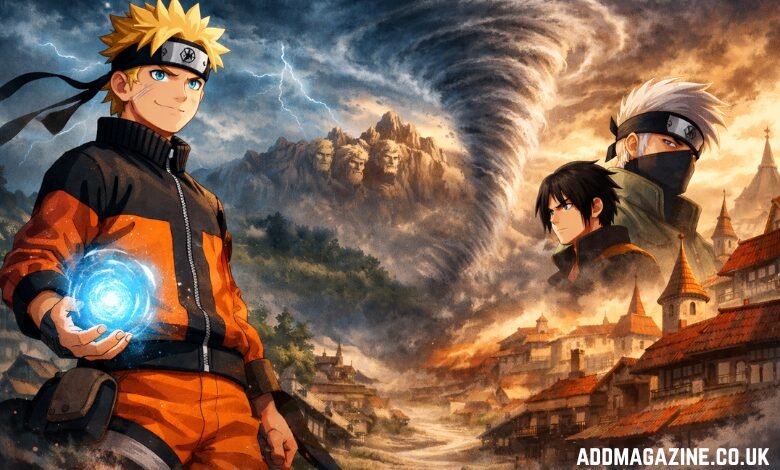
In the world of animated storytelling, few works have had as profound and lasting an impact as Masashi Kishimoto’s Naruto. Since its debut as a manga in 1999, and later as an anime, Naruto has captured the hearts of millions worldwide, transcending cultural boundaries and becoming a global phenomenon. As its influence spread, the series began to be reinterpreted and adapted in various regions, each bringing its own unique flavor to the story. One such adaptation is Narutas Viesulo Kronikos — a name that blends the world of Naruto with the linguistic and cultural elements of a European influence, likely Lithuanian. This adaptation, though less known, provides an interesting lens through which to examine how Naruto continues to evolve, resonate, and inspire across different cultures.
The Essence of Naruto: The Journey of the Hero
Before diving into the specifics of Narutas Viesulo Kronikos, it’s essential to revisit the foundation of the story: Naruto. Created by Masashi Kishimoto, Naruto tells the story of Naruto Uzumaki, a determined young ninja striving to become his village’s Hokage. Naruto, however, is burdened with the power of the Nine-Tailed Fox sealed inside him, making his journey one of self-discovery, perseverance, and overcoming societal prejudice. The central themes of the series — friendship, ambition, self-acceptance, and inner strength — resonate universally, which is why the story has captured the attention of audiences not just in Japan, but around the world.
Narutas Viesulo Kronikos: A Linguistic and Cultural Twist
The title Narutas Viesulo Kronikos likely originates from a Lithuanian or Baltic adaptation of Naruto, where “Narutas” is the phonetic translation of “Naruto,” and “Viesulo Kronikos” translates roughly to “Storm Chronicles.” The word “Viesulo” evokes the imagery of a storm, a force of nature that is both powerful and uncontrollable, which aligns perfectly with the turmoil and transformation that Naruto experiences in his life. “Kronikos,” meaning “chronicles,” suggests a long-running narrative that records the story of Naruto’s journey, not just as a hero, but as someone who struggles with his own identity, past, and purpose.
In this localized adaptation, the central themes of Naruto — dealing with inner conflict, finding one’s path, and overcoming adversity — are presented through the metaphor of a storm, representing the emotional and psychological turbulence that Naruto, and others in the series, must navigate. Just as a storm can transform landscapes, Naruto’s journey transforms him from a misunderstood outcast to the beloved leader of his village, showing how personal growth often comes through facing life’s most difficult challenges.
Why Narutas Viesulo Kronikos Matters
While Naruto has remained relevant for years after its conclusion, the creation of a localized version like Narutas Viesulo Kronikos speaks volumes about the universal appeal of the series. Naruto is more than just a story about ninjas; it’s a tale of resilience, friendship, and perseverance. This global reach is indicative of how well the series translates across cultural contexts, allowing new generations of fans to connect with the story on a deeper level.
The existence of adaptations such as Narutas Viesulo Kronikos also highlights how fans are able to reinterpret and adapt stories to better fit their cultural environments. This adaptation allows for a more personal and localized experience, where fans in Lithuania, Latvia, or other regions can relate to the themes of Naruto in their own ways. The story, though inherently Japanese, becomes more accessible and resonates more deeply with European audiences due to linguistic and cultural parallels.
The Hero’s Journey Reimagined
At its core, Narutas Viesulo Kronikos would continue to follow the universal narrative structure of the hero’s journey — a storytelling archetype that has been used in countless myths, legends, and modern stories. This journey is one of growth, change, and self-realization, and it is exemplified in Naruto’s quest to become Hokage. He faces external challenges, such as powerful enemies, political struggles, and difficult friendships, but his most significant battles are internal. Naruto must confront his own insecurities, doubts, and the trauma of his past.
The storm metaphor in Narutas Viesulo Kronikos reflects these internal struggles. Just as a storm rages and transforms the landscape, Naruto’s emotional turmoil shapes his character and influences the course of his journey. His battles are not only physical, but also emotional, as he grapples with his sense of worth and his desire for recognition.
A Fusion of Japanese and European Aesthetics
One of the unique aspects of Narutas Viesulo Kronikos would be the blending of Japanese animation style with European influences, especially those found in Lithuania or other Baltic countries. While Japanese anime is known for its dynamic action sequences and vibrant colors, European adaptations often lean toward more muted palettes and subtle emotional framing. This artistic fusion could result in a distinctive visual style for Narutas Viesulo Kronikos, one that retains the essence of the original Naruto series while giving it a unique, introspective flavor.
In terms of animation, this adaptation could feature softer, more atmospheric scenes that focus on the emotional undertones of the story, while still maintaining the intensity of Naruto’s action-packed battles. The animation could shift in tone based on the emotional state of the characters, with lighter colors used during moments of introspection and darker tones during moments of conflict and inner turmoil.
Music: A Blend of Cultures
In addition to the visual and narrative elements, music plays a crucial role in Naruto and its adaptations. The soundtrack of Naruto is known for its ability to heighten the emotional impact of the series, with traditional Japanese instruments such as taiko drums and shamisen weaving in and out of the score. In a version like Narutas Viesulo Kronikos, we might see a fusion of traditional Japanese instrumentation with European orchestral elements, creating a soundscape that is both familiar and novel.
The use of orchestral compositions could give the series a grander, more cinematic feel, while also adding depth to the emotional undercurrents of the story. Whether through sweeping string arrangements or more minimalist piano pieces, the soundtrack of Narutas Viesulo Kronikos would be crucial in enhancing the storytelling, helping to convey the internal storms that Naruto faces.
The Legacy of Naruto: More Than Just Entertainment
The influence of Naruto stretches far beyond the realms of entertainment. The series has inspired countless spin-offs, fan creations, and philosophical discussions. Its themes of perseverance, self-discovery, and overcoming adversity have made it a touchstone for not just anime fans, but for individuals worldwide. The existence of Narutas Viesulo Kronikos is another testament to this enduring legacy — a localized version of a beloved story that continues to inspire and connect people across cultures.
For fans, Narutas Viesulo Kronikos represents more than just an adaptation of a Japanese anime. It is a celebration of the shared values that unite us all: friendship, resilience, and the pursuit of a meaningful life. Through this adaptation, the storm that is Naruto continues to resonate, reminding us that no matter where we are in the world, we all face our own inner storms. How we navigate them, just like Naruto, defines who we are.
Conclusion
Narutas Viesulo Kronikos is more than just a linguistic translation or a fan-made project. It is a reimagining of one of the most influential anime series of all time, bringing it closer to European audiences while preserving the core elements that made Naruto a global sensation. Through its unique combination of linguistic and cultural adaptations, Narutas Viesulo Kronikos continues to spread the timeless message of perseverance, friendship, and self-empowerment that has defined Naruto for over two decades. As anime continues to grow in popularity around the world, adaptations like Narutas Viesulo Kronikos prove that the power of storytelling transcends borders, uniting people from all walks of life in their shared experiences of triumph, struggle, and personal growth.