Celebrations have always reflected the times we live in. From weddings and birthdays to baby showers and milestone parties, the way we mark important moments evolves alongside culture, technology, and social values. In recent years, celebrations have become more personalised, more visual, and in many cases, more mindful.
Two trends in particular show how modern celebrations are shifting: the rise of highly creative gender reveal moments and the growing popularity of alcohol-free alternatives at social gatherings. While they may seem unrelated at first glance, both reflect a deeper change in how people want to celebrate, with intention, inclusivity, and experiences that feel meaningful.
The Experience Era of Celebrations
Social media has undoubtedly influenced how people plan events. Celebrations are no longer just about the people in the room; they’re also about sharing moments with friends and family online.
This has encouraged a move toward experiences rather than simple gatherings. Hosts often look for ways to create a “moment”, something symbolic or visually striking that brings people together emotionally.
But alongside the visual spectacle, there’s also a quieter shift happening. Many people are becoming more conscious about what their celebrations represent, how inclusive they are, and how they affect guests with different lifestyles or preferences.
Gender Reveals: From Simple News to Shared Moments
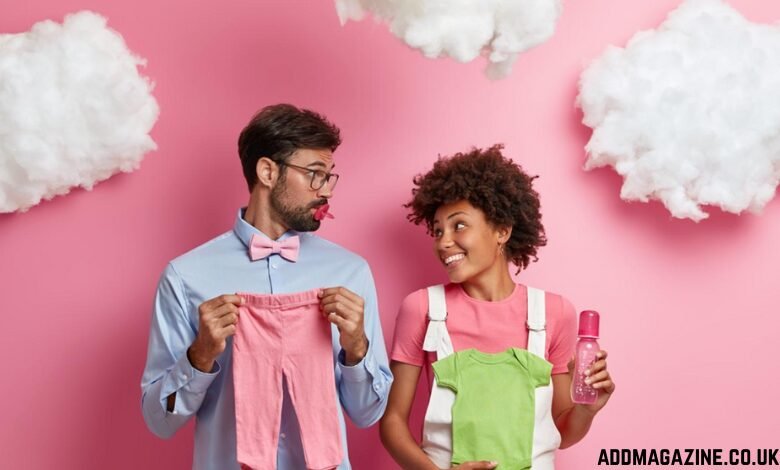
Gender reveal parties are a relatively new tradition, yet they’ve quickly become a recognised part of many pregnancy journeys. For some families, it’s a joyful way to share news with loved ones; for others, it’s a creative excuse to gather and celebrate new life.
What started as cutting a cake with coloured filling has expanded into a wide range of ideas, balloons, confetti, smoke effects, and coordinated décor. Among the more dramatic options, some families choose visual displays that create a shared, emotional reveal.
For example, many now use blue and pink fireworks for gender reveal moments, turning the announcement into a collective experience where everyone looks up together. It’s less about extravagance and more about creating a memory that feels special and symbolic.
Of course, these celebrations are not without debate. Some critics argue they reinforce traditional ideas about gender, while others simply worry about over-the-top planning. But for many families, the intention is straightforward: joy, connection, and sharing news in a way that feels personal.
The key trend here is personalisation. Celebrations are less about copying tradition and more about designing moments that reflect the people involved.
A Shift Toward Inclusive Celebrations
As celebrations become more personalised, they’re also becoming more inclusive. Hosts increasingly consider the needs and preferences of guests, whether that relates to diet, culture, or lifestyle choices.
One noticeable change is how alcohol fits into events. Where once it was assumed every gathering would include wine, beer, or cocktails, today’s hosts often offer broader options. This is partly driven by health awareness and partly by changing attitudes toward drinking.
Many adults are moderating alcohol intake for wellness reasons. Others may be sober by choice, for religious reasons, or due to family commitments. Providing alternatives ensures everyone feels comfortable participating.
This doesn’t mean celebrations are quieter or less fun. In many cases, they’re simply more varied.
The Rise of Alcohol-Free Alternatives
The non-alcoholic beverage market has grown rapidly in the UK and beyond. They allow people to enjoy the social aspect of a drink without the downsides of alcohol.
After lively events, some adults are also exploring different ways to unwind. Rather than reaching for a traditional nightcap, they may look for alternatives that align with a calmer, wellness-focused lifestyle.
For instance, some consumers are curious about THC-infused seltzers and similar products from brands like Vena, which are marketed as alcohol-free options for relaxation. While availability and legality vary by region and individuals should always check local regulations, the broader trend is clear: people are seeking new ways to relax that don’t centre on alcohol.
This reflects a cultural shift toward balance rather than excess. Celebration doesn’t have to mean overindulgence; it can simply mean enjoyment.
Celebrating with Intention
Perhaps the biggest change in modern celebrations is intention. People are asking:
- Does this feel meaningful?
- Is everyone comfortable?
- Does this reflect who we are?
For some, that means a big visual moment like fireworks. Neither approach is inherently better; they simply serve different values.
What matters is authenticity. Celebrations feel more memorable when they align with the people hosting them.
The Future of Celebrations
Looking ahead, celebrations will likely continue evolving. We may see:
- Smaller, more curated gatherings
- More sustainable event choices
- Greater emphasis on guest wellbeing
- A mix of digital and in-person elements
But at their core, celebrations will always be about connection. Technology and trends may shape the format, yet the purpose remains the same: bringing people together to mark meaningful moments.
Whether it’s a gender reveal that lights up the sky or an alcohol-free toast shared among friends, modern celebrations are less about rules and more about reflection. They mirror who we are and what we value.
And perhaps that’s the most meaningful change of all, celebrating not just the milestone, but the people and intentions behind it.