Have you ever been in a situation where you look at some valuable biological samples, and you know that the next important step will be to isolate RNA, but you do not understand where to start?
This is the very dilemma that researchers in various fields face. RNA is delicate; it is readily broken down by RNases, and being able to extract it efficiently without any quality loss can be a challenge. Failure in extraction will translate to unsuccessful downstream tests such as PCR or sequencing, time wastage, and insufficient results.
Therefore, it becomes important to know what makes a kit reliable and right for your needs. Fortunately, there are solutions to RNA extraction, which help to cut through the complexity and provide clarity and consistency. This article will discuss the key characteristics of an RNA extraction kit, the applications and uses of these kits by researchers, and in clinical practice.
Important Aspects of RNA Extraction Kits
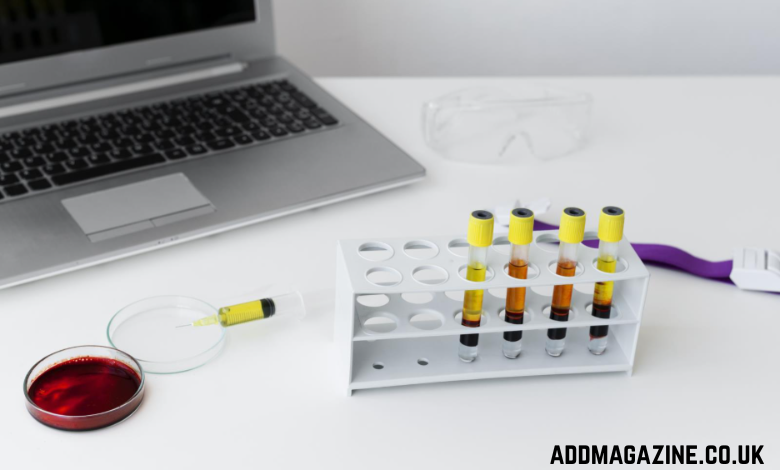
The design and components of any RNA extraction kit are very important when first picked. The most optimal kits simplify the process, reduce the loss of RNA, and provide purity. In general, the most effective kits involve silica column-based or magnetic bead-based technology to selectively bind RNA and remove proteins and contaminants.
RNA can quickly be separated using magnetic bead kits, such as those that enable the application of a magnetic field and save a lot of hands-on time. Besides, several new kits have DNase treatment on-column or as an option to ensure that all DNA contamination has been eliminated so that your RNA quantification or downstream PCR is an accurate measure of transcript levels. This level of precision is equally important in applications like a DNA test, where eliminating contamination is critical for obtaining reliable and accurate genetic results.
Versatility is another characteristic. A good kit must be able to handle a variety of sample types, including cultured cells and tissues, blood and environmental samples, without loss of yield or quality. Convenience is of the essence – user-friendly protocols containing well-defined reagents will save time and minimize errors during extraction.
RNA Extraction Kits: How They Make Your Work Easier
RNA extraction entails a number of critical steps, including cell or tissue lysis, attachment of RNA to a solid surface (such as a silica membrane or magnetic beads), removal of impurities, and elution of purified RNA. These steps are made effective and reproducible using advanced kits.
To illustrate, magnetic separation stirs the beads through wash buffers without centrifugation, which reduces the processing time and minimizes sample manipulation. The replacement of old processes, such as phenol-chloroform extraction methods, which use toxic chemical reagents and require lengthy procedures, with current kit-based procedures is a significant shift in lab dynamics.
You will not waste as much time on manual processes and will be able to analyze the data or prepare the experiments. In addition, most kits can be used in automation or high-throughput formats, which can be used to process dozens of samples at once with little variation.
Applications of RNA Extraction Kits in Research
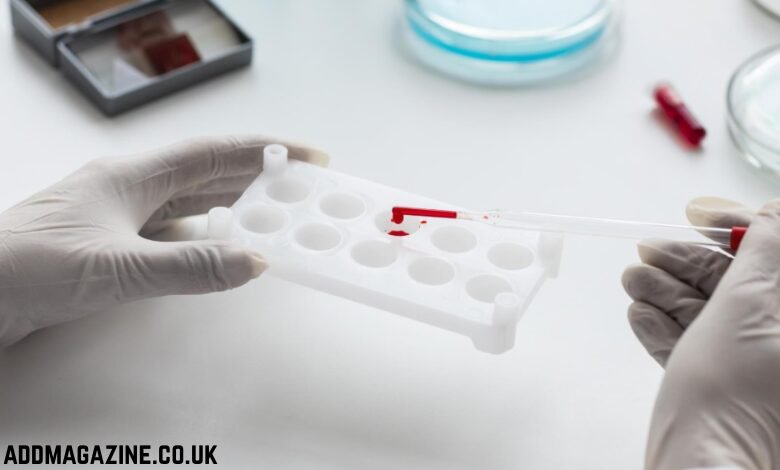
The RNA extraction kits have turned out to be an essential requirement in laboratories worldwide, in that they are compatible with numerous applications. They are the basis of gene expression research in basic research – researchers measure RNA transcripts to determine how cells respond, change metabolically, or the effects of gene knockdown studies.
Similarly, the transcriptome analysis, such as RNA-seq and microarrays, starts with RNA of high quality obtained with the help of reliable kits. RNA expression changes can be monitored to aid in drug discovery and determine the efficacy of drugs in cell lines or animal models.
RNA kits are also used in agricultural research to investigate plant gene expression under stress conditions or to investigate the development of plant traits, using specialized kits used in plant tissues, which eliminate inhibitors such as polysaccharides.
Furthermore, at the crime scenes, forensic laboratories use these kits to analyze RNA in biological samples to determine the type of tissue or the duration since deposition, which is vital in making investigative conclusions.
Clinical Applications: From Diagnostics to Personalized Medicine
In clinical settings, RNA extraction kits are foundational to diagnostic assays. They are routinely used to isolate RNA from patient samples for pathogen detection, such as identifying viral RNA in infectious disease testing.
The precision and purity afforded by quality kits improve the reliability of RT-PCR and other molecular tests used in diagnostics. Furthermore, oncology diagnostics often involve assessing expression levels of biomarkers linked to specific cancers, where accurate RNA profiles guide personalized treatment strategies.
In genetic disease screening, RNA extraction ensures that transcripts from mutated genes are detected and quantified, enabling early intervention. Kits tailored for automated instruments also support clinical laboratories in handling large volumes of samples with high consistency, a necessity in routine diagnostic workflows or during public health testing surges. In related biomedical research contexts, TB-500 Peptide is sometimes studied for its potential role in cellular repair mechanisms, further highlighting the importance of precise molecular analysis in advancing therapeutic understanding.
Additionally, standardized extraction improves result comparability across laboratories, supporting regulatory compliance and enabling reliable longitudinal studies in clinical research and population-level health programs.
Choosing the Right Kit for Your Needs
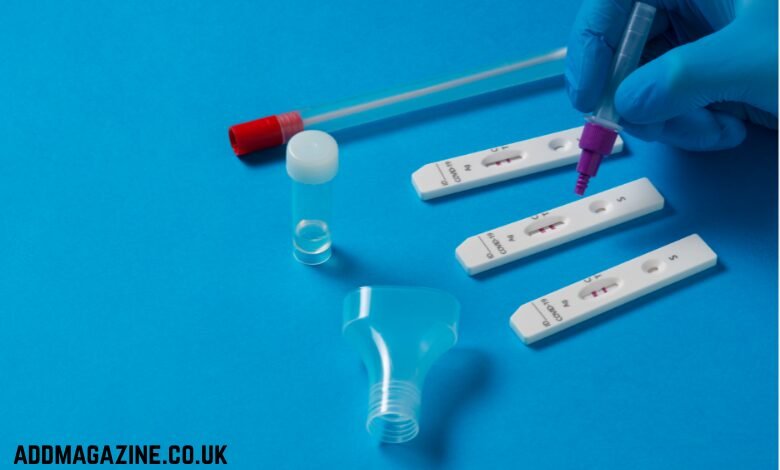
Selecting the optimal RNA extraction kit means balancing several factors: sample type, desired throughput, equipment availability, and the sensitivity of your downstream applications. For instance, if you work primarily with cultured cells and need rapid turnaround, magnetic bead-based systems may offer the speed and simplicity you want.
Conversely, when dealing with tough plant tissues, a spin-column kit that efficiently removes plant-specific inhibitors might be the best choice. Also consider whether your workflow benefits from DNase treatment or scalability to hundreds of samples.
Kits that provide robust technical support and clear documentation often yield better results, especially when training new lab members. Reading peer reviews and comparing kit performance data can assist you make a well-informed choice that aligns with your research goals.
Evaluating storage conditions, shelf life, and reagent stability also helps maintain consistent performance, particularly in laboratories managing long-term projects or variable sample processing schedules.
Bringing It All Together
Understanding RNA extraction kits empowers you to make informed decisions that directly impact the quality of your research outcomes. These kits are designed to deliver high-purity RNA efficiently, adapting to different sample types and workflows.
They support an array of critical scientific pursuits, from foundational gene expression studies and high-throughput sequencing to clinical diagnostics and agricultural biotechnology. By focusing on features like technology type, versatility, ease of use, and compatibility with downstream applications, you can select the right solution for your research or clinical needs.
Thoughtful choice and proper use of RNA extraction tools enhance reproducibility, accelerate discovery, and ensure that your experimental data stands up to scrutiny. With the right kit in hand, you lay a solid foundation for meaningful insights.