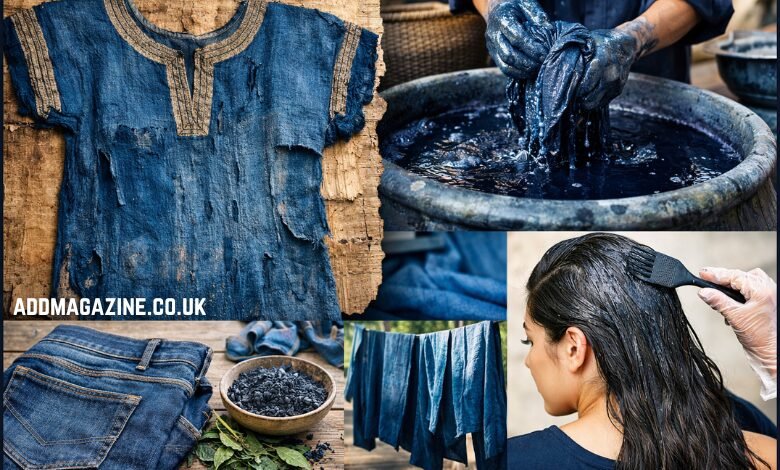
Indigo, a color synonymous with rich history, cultural significance, and enduring appeal, has been woven into the fabric of human life for millennia. Known for its deep blue hue, indigo has played an integral role in many civilizations, spanning from ancient textile traditions to modern applications in beauty and fashion. In this comprehensive guide, we will explore the journey of indigo from its origins, the science behind its vibrant color, to how it continues to influence contemporary industries.
Origins and Cultural Significance of Indigo
The story of indigo starts thousands of years ago. The use of indigo dye dates back to around 4,000 BCE, with the earliest evidence found in ancient Egypt and India. In both of these civilizations, indigo was not just a dye but a commodity with immense value, integral to both social and economic life.
In Egypt, indigo was used in both clothing and religious ceremonies. Mummies wrapped in indigo-dyed linen have been discovered in tombs, signifying its importance in the afterlife. Similarly, in India, indigo was a sacred color, used in religious rituals and considered a symbol of prosperity and power. The plant responsible for indigo dye, Indigofera tinctoria, was cultivated and processed by artisans, and the dye was traded across continents.
One of the most notable periods for indigo was the colonial era when it became a key part of the global trade network. The demand for indigo surged, particularly in Europe and the Americas, where it became one of the primary dyes used for textiles, especially for denim.
The Science Behind Indigo
Indigo dye is derived from the indigo plant, primarily Indigofera tinctoria. The color itself comes from the indigoid compounds present in the plant, specifically indican. When the plant is processed, indican is converted into the blue pigment known as indigo. This process typically involves soaking the leaves of the plant in water, fermenting them, and then extracting the indigo through oxidation. The resulting pigment is a strikingly deep blue, which has been revered for its permanence and beauty.
The chemistry of indigo is fascinating. Unlike many dyes that bond chemically with the fibers they color, indigo binds to fabrics through a physical process. This means that the color can sometimes be more resilient to washing than synthetic dyes, a key reason why indigo-dyed fabrics, such as denim, continue to hold their popularity. Indigo’s ability to remain vibrant and withstand wear makes it an ideal choice for garments that are subject to heavy use, such as jeans.
Preparing and Applying Indigo Dye
The process of dyeing fabric with indigo can vary depending on the technique and the materials being used. Traditionally, indigo dyeing was a multi-step process that began with harvesting the leaves of the indigo plant. After the leaves were gathered, they were soaked in water, and the resulting liquid was allowed to ferment for several days. Once fermentation occurred, the liquid would turn a deep blue as the indican was converted into indigo.
In modern times, indigo dyeing has become more accessible, with ready-made indigo dye powders and pastes available for commercial and home use. To apply the dye to fabric, a dye bath is typically created, in which the fabric is immersed for a period of time. The fabric is then exposed to air to allow oxidation, which brings out the rich blue color.
One of the most famous applications of indigo is the dyeing of denim. The process involves repeatedly dipping the fabric in the dye bath to build up layers of color. This method not only contributes to the deep indigo shade but also to the unique fading patterns seen on denim garments over time.
Safety Considerations and Environmental Impact
While indigo is a natural dye, it is essential to understand the safety aspects involved in its application. The most common safety concerns arise during the fermentation process, where the dye bath can produce fumes that may irritate the respiratory system. Proper ventilation and protective equipment are recommended when working with indigo dye.
Furthermore, it is crucial to consider the environmental impact of indigo production. In traditional dyeing, large quantities of water are often used in the fermentation and dyeing processes. Additionally, synthetic indigo, which is chemically manufactured rather than plant-derived, has raised concerns about the use of harmful chemicals in its production. As sustainability becomes increasingly important in today’s world, many artisans and manufacturers are returning to plant-based, natural methods of indigo production.
Indigo in Hair Dyeing: A Natural Alternative
In recent years, indigo has found a place in the natural beauty industry, particularly for hair dyeing. Many people, especially those looking for natural alternatives to chemical hair dyes, have turned to indigo as a solution. When mixed with henna, indigo creates a rich, dark color that can range from brown to black, depending on the ratio of the two plants.
The process of dyeing hair with indigo typically begins with a henna application, which deposits a reddish hue onto the hair. Afterward, the indigo is applied to create a darker shade. This two-step process not only offers a natural way to color hair but also promotes hair health, as henna and indigo are both known for their conditioning properties. Moreover, indigo hair dye is free of harmful chemicals such as ammonia, parabens, and resorcinol, making it a preferred option for individuals with sensitive scalps or those who are looking to avoid synthetic ingredients.
Modern-Day Uses and Popularity of Indigo
Indigo continues to influence a wide range of industries, from fashion to cosmetics, and beyond. Its rich color and cultural legacy make it a versatile and enduring element in the world of design.
In fashion, indigo remains a staple, especially in the form of denim. Brands continue to innovate with indigo, creating garments that pay homage to its traditional roots while pushing the boundaries of modern design. From the high-end fashion runways to the everyday streetwear, indigo’s deep blue hue is celebrated for its timeless appeal.
In the world of art and design, indigo has found a place in modern textiles. Designers continue to experiment with indigo, using it for hand-dyed fabrics, tapestries, and other unique textile-based art pieces. The deep blue color is not only visually striking but also holds a certain sense of nostalgia and cultural significance, which appeals to both traditional and contemporary audiences.
In addition to its application in fashion and beauty, indigo is also used in eco-friendly products such as organic cotton fabrics, offering a sustainable alternative to synthetic dyes. As more consumers look for environmentally conscious options, indigo’s role as a natural and renewable dye is likely to continue to grow.
Conclusion
Indigo is more than just a color; it is a symbol of history, culture, and innovation. From its ancient origins to its modern-day uses in textiles and beauty products, indigo continues to inspire and shape our world. Its deep, rich color, derived from nature itself, offers a sustainable and environmentally conscious alternative to synthetic dyes.
Whether you are exploring the world of plant-based hair dyes, looking to create a timeless denim look, or simply appreciating the cultural significance of this vibrant hue, indigo is a remarkable reminder of the intricate relationship between nature and human creativity. Its legacy, rich in history and full of modern-day relevance, is likely to remain a fixture in the worlds of art, fashion, and beauty for generations to come.