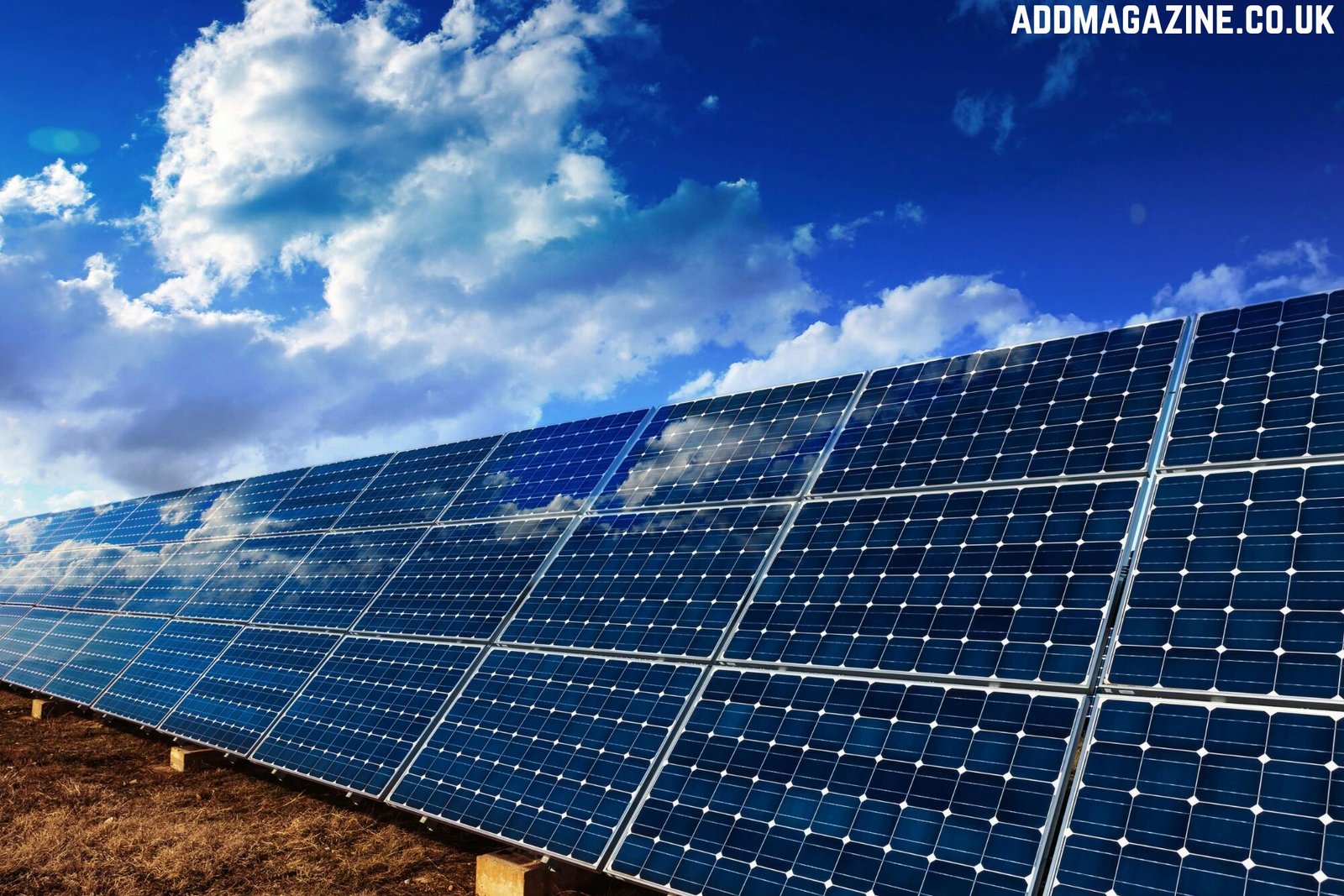
A remarkable shift is quietly transforming industrial districts across the United States. Five years ago, factories that didn’t care about sustainability in any way now have solar panels installed on top of their buildings . Industrial estates in Phoenix and Charlotte feature solar panels as well. It’s certainly not because corporations got greener.
Money did this. Specifically, the Section 48 Investment Tax Credit did this.
It’s a federal program whose name has barely entered the vocabulary of people outside the energy finance industry. No flashy campaign ads, no rebates for consumers, nothing you’ll see on evening news. However, if you are a company working with tax credits, then you probably know that this is one of the most influential instruments for clean energy development. The Inflation Reduction Act of 2022 only increased its potency.
What Section 48 Actually Does (and Why Most People Get It Wrong)
People hear “tax credit” and their brain jumps to some kind of write-off. That’s wrong. The Section 48 ITC gives you a dollar-for-dollar reduction against your federal tax bill, not a deduction from taxable income. Big difference. Solar energy systems activated from 2023 onward can generally qualify for a tax incentive covering up to 30% of approved expenses.
So on a $5 million install, that’s $1.5 million straight off what you owe the IRS. Not a deduction. It’s a credit .
Solar gets most of the attention, but the qualifying tech list is longer than people realize. Geothermal systems, fuel cells, small wind, energy storage (that one is newer), even certain microgrid controllers. They all fall under Section 48’s umbrella. Solar just dominates the volume. SEIA reported that utility-scale and commercial solar made up roughly 70 percent of all new U.S. You don’t get numbers like that without a serious financial engine running underneath.
The Bonus Adders That Blow the Math Wide Open
Here’s where it gets really interesting if you’re doing any kind of project planning.
| Incentive Category | Credit Impact | Requirement Description |
|---|---|---|
| Prevailing Wage & Apprenticeship | +0% (required for base 30%) | Must comply with standard wage rules and use registered apprentices during construction |
| Domestic Material Requirement | +10% | Requires use of U.S.-sourced steel, iron, and qualifying manufactured components |
| Energy Community Bonus | +10% | Project must be located in energy-impacted zones such as former coal sites or high fossil fuel employment regions |
| Low-Income Project Incentive | +10% to +20% | Project must be built in or serve designated low-income communities |
Run that math on a $10 million commercial solar project. You’re looking at $5 million or more coming back as federal tax credit value. These aren’t hypotheticals either. The opportunity is concrete, not theoretical.
Transferability Changed Everything About This Market
For the longest time, Section 48 had one glaring problem. That locked out nonprofits, municipalities, and smaller developers who were building clean energy projects but didn’t owe enough in taxes to capture the benefit. The old fix was tax equity partnerships, which meant handing over a chunk of your economics to one of maybe six or seven big banks willing to play that game.
Then the IRA introduced transferability under Section 6418. Game changer.
Now any taxpayer generating Section 48 credits can sell them directly to an unrelated buyer. Cash transaction. No partnership structures. No intermediaries skimming value off the top.
What that created, practically overnight, was a real secondary market for tax credits. Buyers pick up a dollar-for-dollar tax reduction at a discount, typically paying somewhere between $0.85 and $0.95 per dollar of credit. Sellers get immediate cash they can plow back into project development. If you want to understand how the Section 48 Investment Tax Credit works at a mechanical level, that resource walks through eligibility and the calculation methodology pretty thoroughly.
What Buyers and Sellers Need to Watch Closely
Buying Section 48 credits at a discount sounds great on paper. And it usually is. But due diligence matters more than price in this market.
Here’s a real scenario that catches people off guard. That credit drops to 6 percent. An 80 percent haircut. And guess who carries the recapture risk? The buyer. Not the seller. That’s why serious buyers are spending real money on independent project diligence before closing transactions.
On the sell side, timing is the thing to watch. Credits don’t generate when you break ground. They generate when a project gets placed in service. A three-month commissioning delay can push your credit into the next tax year, which messes up both your planning and your buyer’s.
A few other things worth tracking as this market grows up. IRS guidance on transfer registration requirements keeps evolving. Treasury is looking harder at domestic content claims, and early claimants might face audit scrutiny. Credit recapture insurance has become a standard deal component, but pricing varies a lot depending on the underwriter and project specifics. This is still a young market finding its footing.
Conclusion
Section 48 represents a long-term investment incentive rather than a temporary boost for solar projects. The IRA gave the market exactly what it had been begging for: long-term certainty. With transferability written into the tax code, what used to be a developer-only tool became a liquid financial instrument accessible to any profitable American company.
Businesses building projects, buying credits to offset their tax bills, or running platforms connecting the two sides of the market are all positioning themselves at the center of what might be the biggest energy infrastructure buildout this country has ever attempted.
At the heart of it all is Section 48, a steady force that shows no signs of losing momentum.