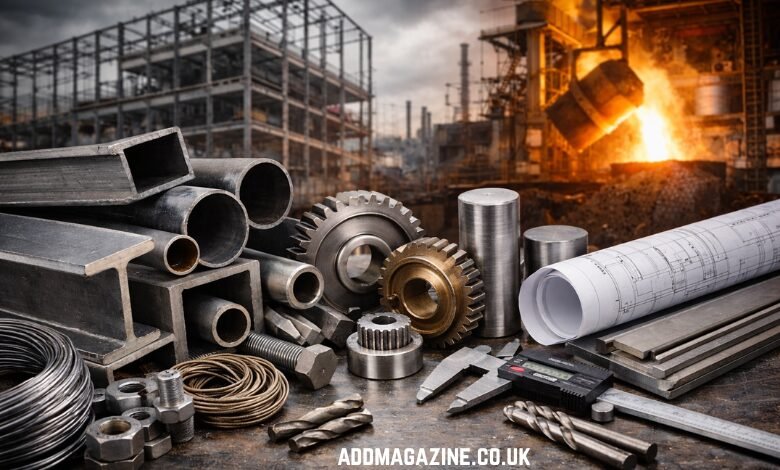
The term kovových may not be a familiar one to many, but it plays an important role in fields like engineering, manufacturing, and materials science. This word is derived from the Czech language, where it functions as the plural genitive form of the adjective kovový, which means “metallic” or “of metal.” Kovových specifically refers to materials, objects, or parts made from or associated with metal, and its usage is common in technical and industrial contexts.
In this post, we’ll take a deeper dive into what kovových means, how it’s used, and why understanding this term is important in various industries. By exploring its role in materials science, we can appreciate its significance in the world of metals and alloys.
What Does Kovových Mean?
In simple terms, kovových describes something that is related to or made of metal. The word is used in a plural genitive form, meaning it is generally applied to multiple metal items or objects in relation to one another. For example, it could refer to a collection of metal components or a group of metallic materials.
In Czech, adjectives change their form based on gender, number, and case. Kovových is the genitive plural form, which is used when referencing multiple objects or materials that are made of metal. For instance:
- kovových materiálů — materials of metal
- kovových dílů — parts made of metal
The term kovových is not just used for describing the material but can also be part of a larger description that connects the metal to a specific function or context. For instance, when referring to the parts of a machine or components of a building, the term could be used to indicate that the objects are metallic.
Types of Kovových Materials
Since kovových refers to materials made of metal, it can encompass a wide range of metals and alloys. The most common categories include:
- Ferrous Metals: These metals are primarily composed of iron, including materials like steel and cast iron, known for their durability. Steel is one of the most versatile and widely used metals in construction, automotive, and manufacturing industries because of its strength and durability. Cast iron, although more brittle than steel, is also widely used in applications like engine blocks and heavy-duty machinery parts.
- Non-Ferrous Metals: These metals do not contain iron and include materials such as aluminum, copper, zinc, and lead. Aluminum is known for being lightweight, corrosion-resistant, and strong, making it ideal for applications in aerospace, electronics, and automotive industries. Copper, on the other hand, is an excellent conductor of electricity and is used extensively in electrical wiring and plumbing.
- Alloys: Alloys are mixtures of two or more metals that are engineered to improve specific properties such as strength, flexibility, or resistance to heat and corrosion. Examples of alloys include stainless steel (a combination of iron, chromium, and nickel) and bronze (copper and tin). These materials are used in a wide variety of applications from jewelry to industrial machinery.
- Precious Metals: Precious metals such as gold, silver, and platinum are highly valued for their rarity and physical properties, such as corrosion resistance and high conductivity. These metals are often used in high-performance electronics, medical devices, and luxury items like jewelry.
- Refractory Metals: These metals have extremely high melting points and are used in extreme environments. Examples include tungsten and molybdenum, which are used in high-temperature applications such as rocket engines and lightbulb filaments.
Why Kovových Materials Are Important
Kovových materials are crucial because of their physical properties, which allow them to be used in a variety of applications that require strength, durability, conductivity, and resistance to wear and corrosion. These materials are essential in industries that are foundational to our daily lives, such as construction, transportation, electronics, and energy production.
- Strength and Durability: Metals are known for their ability to withstand heavy loads and physical stress. This is why they are often used in the construction of buildings, bridges, and infrastructure projects.
- Conductivity: Certain metals, such as copper, are excellent conductors of electricity, making them vital for electrical systems, wiring, and circuit boards in electronics.
- Corrosion Resistance: Metals like stainless steel are highly resistant to corrosion, making them ideal for use in harsh environments such as marine settings, food processing plants, and medical equipment.
- Heat Resistance: Metals like tungsten and molybdenum have extremely high melting points, which make them ideal for use in high-temperature environments like aerospace applications.
Applications of Kovových Materials
Kovových materials are used in a wide range of industries due to their advantageous properties. Here are a few key areas where these materials are essential:
- Construction: Steel is a key component in construction, crucial for providing strength and stability to modern architectural designs. It is used in the framework of buildings, bridges, and other structures due to its strength and flexibility. Aluminum is also used in lightweight construction applications, such as window frames and roofing.
- Automotive and Transportation: Kovových materials are key in the manufacturing of vehicles, from cars to airplanes. Aluminum is used extensively in the aerospace industry to reduce weight and improve fuel efficiency. Steel is used in the frame and body of most cars and trucks due to its strength.
- Electronics: Copper is one of the most important metals in electronics. It is used in electrical wiring, connectors, and circuit boards. Gold and silver are also used in electronics for their high conductivity and resistance to corrosion.
- Energy Production: Kovových materials play a key role in energy production. Steel is used in the construction of power plants and pipelines, while copper and aluminum are essential for electrical transmission and distribution.
- Medical Devices: Precious metals like gold and platinum are used in medical devices such as pacemakers and stents because they are biocompatible and resistant to corrosion. Stainless steel is also widely used in surgical instruments and implants.
Challenges with Kovových Materials
Despite their many advantages, there are challenges associated with kovových materials:
- Cost: The extraction and processing of metals can be costly. Precious metals, in particular, can be expensive, which makes products that require them more costly to produce.
- Environmental Impact: The mining and refining of metals can have significant environmental impacts, including habitat destruction and pollution. Recycling metals is an important step in reducing these impacts.
- Corrosion: While some metals are resistant to corrosion, others, such as iron and steel, can rust over time when exposed to moisture. Protective coatings or treatments are often required to prevent this.
- Processing Difficulty: Some metals, such as refractory metals, are difficult to work with due to their high melting points and hardness. This requires specialized equipment and processes, which can increase manufacturing costs.
The Future of Kovových Materials
As technology continues to evolve, the demand for new and improved kovových materials is growing. Scientists and engineers are developing new alloys that combine the best properties of different metals. These innovations will help improve the performance of materials in industries ranging from aerospace to electronics.
Additionally, the recycling of kovových materials is becoming more important as industries look for ways to reduce waste and conserve resources. Recycling metals helps to lower the environmental impact of mining and reduces the need for virgin materials.
Conclusion
Kovových materials are essential to a wide range of industries and applications. Their strength, conductivity, and resistance to wear and corrosion make them indispensable in construction, automotive manufacturing, electronics, energy production, and medical devices. While there are challenges associated with working with kovových materials, innovations in material science and recycling are helping to address these issues. Understanding the properties and applications of kovových materials is crucial for anyone working in industries that rely on metals and alloys.