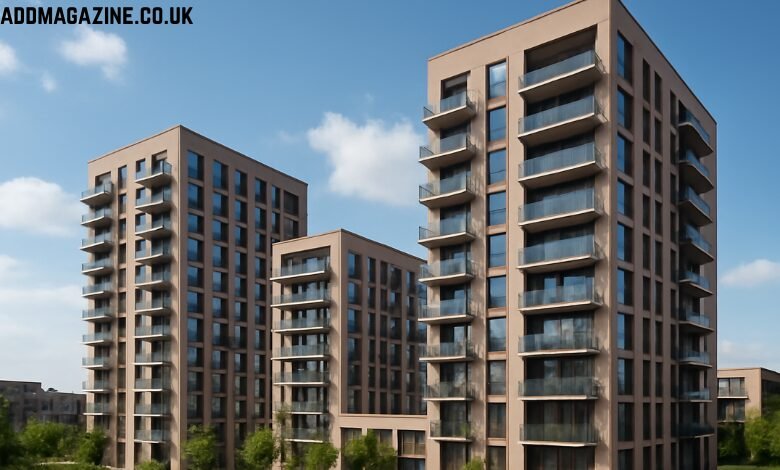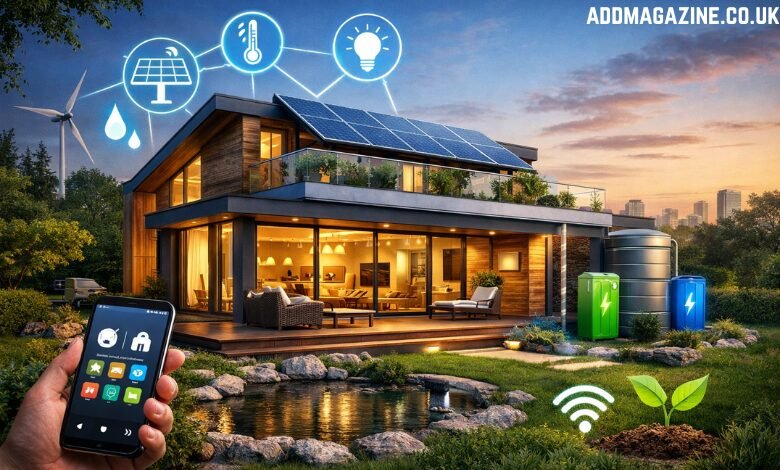
The way we live is changing, and housing is no exception. Modern homeowners increasingly demand spaces that do more than just provide shelter. They seek homes that interact with their needs, conserve resources, and offer convenience without compromising comfort. Genhouse is a concept designed to meet these expectations. It combines advanced technology, sustainable design, and functional architecture into a single living experience.
Unlike traditional houses, which focus primarily on aesthetics and basic functionality, Genhouse emphasizes efficiency, adaptability, and eco-consciousness. It represents a step toward homes that are prepared for evolving lifestyles, environmental concerns, and technological advancements.
What is Genhouse?
At its core, Genhouse is a modern housing model that integrates:
- Smart automation: Systems within the house learn from the residents’ habits, controlling lighting, temperature, and security automatically.
- Sustainability: Built using eco-friendly materials and energy-efficient technologies, it reduces environmental impact while lowering utility costs.
- Adaptive design: Modular layouts and intelligent space management allow the home to adapt to changing family needs.
This approach transforms homes from static structures into responsive, interactive living environments. Genhouse is not about luxury alone; it is about creating homes that are future-ready.
Key Features of Genhouse
1. Energy Efficiency
Energy consumption in households accounts for a significant portion of global energy use. Genhouse addresses this by incorporating:
- Solar panels for renewable energy generation.
- Superior insulation solutions that lower energy consumption for both heating and cooling needs.
- Automated lighting that adapts to daylight levels and room occupancy for optimal energy use.
- Efficient appliances designed to minimize electricity consumption.
2. Smart Automation
Automation in Genhouse goes beyond simple remote controls. It includes:
- Sensors for detecting movement, air quality, and temperature.
- AI-driven systems that learn daily routines and optimize comfort.
- Integration with mobile apps and voice assistants for remote management.
- Smart security solutions with connected cameras, electronic locks, and instant alert notifications.
3. Sustainable Materials
Construction materials are selected for durability and minimal environmental impact:
- Recycled or low-carbon building materials.
- Environmentally safe coatings that help maintain fresh and non-toxic indoor air.
- Water-saving plumbing systems and rainwater harvesting.
4. Modular and Adaptive Design
Genhouse designs consider flexibility:
- Rooms can serve multiple purposes depending on time of day or family needs.
- Furniture and interior layouts can be rearranged with minimal effort.
- Expansion options are built-in for future growth or lifestyle changes.
Genhouse vs Traditional Homes
| Feature | Genhouse | Traditional Home |
|---|---|---|
| Energy Efficiency | High, solar panels, smart lighting, efficient appliances | Low to moderate, standard insulation, no smart controls |
| Automation | AI-driven, learns routines, integrated apps | Manual controls, basic timers |
| Materials | Sustainable, recycled, eco-friendly | Conventional materials, less focus on sustainability |
| Adaptability | Modular rooms, expandable layouts | Fixed layouts, limited flexibility |
| Cost Efficiency | Lower operational costs due to energy savings | Higher utility and maintenance costs |
| Lifestyle Integration | Responsive systems, future-ready design | Standard comfort, limited technological integration |
Advantages of Living in a Genhouse
Reduced Energy Costs
Smart energy management systems help homeowners monitor consumption and reduce waste, resulting in lower electricity and heating bills. Gradually, the reduced energy costs can balance out the upfront expense of implementing eco-friendly systems.
Enhanced Comfort and Convenience
Automated systems adjust temperature, lighting, and even window shading according to user preferences. Residents enjoy a home environment tailored to their lifestyle without constant manual intervention.
Environmental Impact
By using eco-friendly materials and renewable energy sources, Genhouse reduces the carbon footprint associated with construction and daily living. It supports worldwide initiatives aimed at reducing environmental impact and addressing climate change.
Improved Quality of Life
Green building layouts with proper ventilation enhance air quality and support healthier home environments. Studies indicate that residents in energy-efficient buildings report higher satisfaction, reduced stress, and improved overall wellbeing.
Market Perspective
The housing market is gradually shifting toward smart and sustainable homes. Real estate experts highlight that modern buyers are increasingly prioritizing energy efficiency, technology integration, and eco-conscious features. Genhouse perfectly addresses this trend, offering both functional and ethical value to homeowners.
Organizations such as the World Green Building Council emphasize that sustainable buildings benefit both the environment and occupants. Genhouse reflects these principles by delivering tangible advantages in energy savings, comfort, and adaptability.
Challenges and Considerations
Despite its benefits, Genhouse adoption faces challenges:
- Higher upfront cost: Integrating smart systems and sustainable materials may increase initial construction expenses.
- Technical maintenance: Advanced automation systems require specialized maintenance and occasional updates.
- Market awareness: Homebuyers may be unfamiliar with the concept and need education on long-term benefits.
However, long-term operational savings, increased property value, and lifestyle benefits often outweigh these initial challenges.
The Future of Genhouse
The concept of Genhouse is evolving alongside advancements in technology and sustainability. Future iterations may include:
- Fully self-sufficient energy systems with integrated storage and grid interaction.
- AI capable of predicting lifestyle changes and adjusting home operations proactively.
- Smart integration with community infrastructure for shared energy, waste, and transportation systems.
These developments suggest that Genhouse could become a standard for residential construction, influencing how cities and communities plan future housing.
Conclusion
Genhouse represents a fundamental shift in residential design, moving away from conventional homes that primarily serve as shelter toward intelligent, sustainable living spaces that adapt to human needs. By combining smart automation, eco-friendly construction, and flexible design, Genhouse addresses environmental concerns, reduces costs, and enhances quality of life.
It is more than a trend; it is a response to modern challenges, including climate change, rising energy costs, and the demand for homes that integrate seamlessly with technology. For homeowners and developers seeking practical, future-ready housing solutions, Genhouse provides a clear model of what modern living can—and should—look like.
Living in a Genhouse is not just about comfort or style; it is about aligning one’s home with both current needs and future possibilities. The movement toward such homes reflects a broader global shift, emphasizing sustainability, efficiency, and technological integration as essential components of contemporary living.