
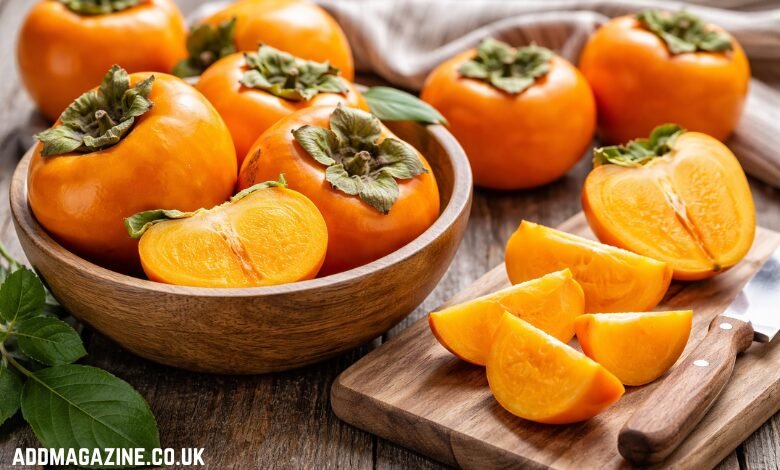
Caquis Persimon is making waves in the world of fruits, quickly gaining popularity across international markets. Its bright orange skin, naturally sweet taste, and firm bite give this persimmon a character that makes it easy to notice. While persimmons have been enjoyed for centuries, Caquis Persimon offers a unique twist that makes it easier and more convenient to consume. It is a fruit that embodies a blend of tradition and modern agricultural techniques, combining an ancient heritage with innovations that meet today’s consumer demands.
What Is Caquis Persimon?
Caquis Persimon refers to a specific type of persimmon, scientifically known as Diospyros kaki, but it has undergone a special process that allows it to be eaten while still firm. This is in contrast to most other persimmons, which are typically astringent when unripe and must be allowed to soften before they are palatable. The fruit gets its name from the “Persimon” brand, which is a trademark used primarily in Spain. The process that differentiates this variety from others involves a method of de-astringency, a technique that removes the naturally occurring tannins in the fruit. As a result, Caquis Persimon can be enjoyed in a firm state, making it versatile and convenient for a variety of dishes and eating styles.
The Origins of Caquis Persimon
Persimmons, including the type used to create Caquis Persimon, have a rich history that dates back over 2,000 years. Originally cultivated in China, the fruit spread to other parts of Asia, including Japan and Korea, where it became embedded in the culinary and cultural traditions. These early cultivation practices laid the groundwork for the many different varieties of persimmons enjoyed today.
By the 19th century, persimmons found their way to Europe, where the Mediterranean climate proved to be ideal for their growth. Spain, in particular, emerged as a prime location for persimmon cultivation. Farmers in the Valencia region, where the climate is warm and the soil fertile, began developing methods to improve the quality of the fruit. It was in this region that Caquis Persimon was born, thanks to the efforts of Spanish agricultural experts who perfected the process of removing astringency while maintaining the fruit’s firm texture.
The Special Processing of Caquis Persimon
One of the key elements that makes Caquis Persimon stand out from other persimmons is the post-harvest treatment it undergoes. After the fruit is harvested, it is placed in controlled chambers where it is exposed to high concentrations of carbon dioxide. This process neutralizes the tannins responsible for the astringency of unripe persimmons, allowing the fruit to be eaten while firm. Unlike traditional persimmons, which can only be enjoyed once they soften and lose their astringency, Caquis Persimon can be consumed right away. This feature makes it a convenient snack, as it can be sliced and eaten like an apple or incorporated into a variety of recipes without the need for waiting.
Nutritional Benefits of Caquis Persimon
Caquis Persimon is more than just a sweet and convenient fruit—it is also a powerhouse of nutrients. A typical serving of Caquis Persimon provides a substantial amount of fiber, vitamins, and antioxidants. Here are some of the key nutritional components of this fruit:
- Fiber: Persimmons are an excellent source of dietary fiber, which is important for maintaining digestive health. A serving of Caquis Persimon provides around 3 to 4 grams of fiber, which helps promote regular bowel movements and supports overall gut health.
- Vitamins A and C: Caquis Persimon is rich in vitamins that contribute to good health. Vitamin A, important for eye health, is abundant in this fruit. Vitamin C, an antioxidant that strengthens the immune system, is also found in high amounts.
- Potassium: Potassium helps maintain normal blood pressure and supports healthy muscle activity. Caquis Persimon contains significant amounts of this nutrient, making it a great option for heart health.
- Antioxidants: The fruit is packed with antioxidants like beta-carotene, lycopene, lutein, and polyphenols. These antioxidants help protect the body from oxidative stress caused by free radicals, reducing inflammation and supporting cardiovascular health.
Thanks to these nutrients, Caquis Persimon is often considered a beneficial addition to a health-conscious diet. Whether eaten as a snack or incorporated into meals, it can provide a variety of health benefits while being low in calories.
Culinary Uses of Caquis Persimon
The unique texture and sweetness of Caquis Persimon make it a versatile ingredient in many dishes. It can be eaten raw, added to fruit salads, or sliced and enjoyed as a healthy snack. Due to its firm texture, it is also well-suited for baking or roasting, where it can hold its shape better than softer persimmons. Here are some popular ways to enjoy Caquis Persimon:
- Salads: Slice the fruit and add it to salads for a burst of color and sweetness. It goes well with leafy greens, nuts, and cheeses, adding balance and flavor to salads and other meals.
- Desserts: Caquis Persimon can be used in various dessert recipes, including tarts, pies, and cakes. Its natural sugar makes it a good replacement for other sweet fruits in baked recipes.
- Smoothies: Add Caquis Persimon to your smoothie for a nutritious, fiber-packed base. It mixes easily with other ingredients, adding a mellow texture and natural sweetness to the final dish.
- Snacking: Rinse the fruit, slice it evenly, and eat it out of hand. It works as a fresh, convenient snack with good nutritional value.
Caquis Persimon and Its Place in Global Markets
Since its introduction, Caquis Persimon has gained a strong following, particularly in Europe. Spain remains the largest producer, with the majority of the fruit coming from the Valencia region, specifically the Ribera del Xúquer area. This region’s warm Mediterranean climate, along with its fertile soil, provides the ideal conditions for growing Caquis Persimon.
The fruit has also seen growth in international markets, as more people discover its unique attributes and health benefits. As demand continues to rise, it is becoming increasingly available in supermarkets, restaurants, and homes across Europe and beyond. The rise of health-conscious consumers seeking natural, nutrient-rich foods has contributed to the popularity of Caquis Persimon, making it a common fruit in the seasonal rotation of many households.
The Protected Designation of Origin (PDO) and Quality Control
Caquis Persimon enjoys the distinction of having a Protected Designation of Origin (PDO) certification. This certification, known as Kaki Ribera del Xúquer, ensures that the fruit meets strict standards for quality and authenticity. The PDO designation guarantees that the fruit is grown in a specific region and adheres to particular agricultural practices that promote the best possible quality. This certification also protects the interests of consumers, who can trust that they are purchasing a premium product with a consistent flavor and texture.
The PDO system helps maintain the integrity of the Caquis Persimon brand, ensuring that it remains a symbol of high quality. For consumers, this means they can rely on the fruit’s flavor, texture, and nutritional content each time they purchase it.
Sustainability and Future of Caquis Persimon
As demand for Caquis Persimon continues to grow, sustainability has become a focus for producers in Spain. Agricultural practices are being refined to ensure that the cultivation of persimmons has minimal environmental impact. From water conservation to soil management, producers are taking steps to maintain the long-term viability of the fruit while preserving the local ecosystem.
The future of Caquis Persimon looks bright, with increasing global recognition and demand for the fruit. As more people discover its unique flavor, texture, and health benefits, the fruit’s presence in supermarkets around the world will likely continue to expand. With its versatility and nutritional profile, Caquis Persimon is well on its way to becoming a staple in households globally.
Conclusion
Caquis Persimon is a unique and innovative variety of persimmon that stands out due to its firm texture and sweet flavor. Through specialized agricultural techniques and a careful post-harvest process, this fruit has become more accessible and convenient for everyday consumption. Whether enjoyed fresh, incorporated into recipes, or used as a healthy snack, Caquis Persimon provides a wealth of nutritional benefits, making it an excellent addition to a balanced diet. With its rising popularity and sustainability efforts, the future of Caquis Persimon is certainly promising.