Home energy storage systems have become essential infrastructure for managing power reliability and rising electricity costs. Tesla Powerwall installations represent a significant investment in residential energy independence, yet the complexity of proper integration often leads to costly oversights that compromise system performance and longevity.
The installation process involves electrical modifications, structural considerations, and regulatory compliance that extend far beyond mounting a battery unit on a wall. Poor planning decisions made during the initial phases can result in reduced storage capacity, compatibility issues with existing electrical systems, and ongoing maintenance problems that undermine the financial benefits homeowners expect from their investment.
Understanding these common installation pitfalls helps property owners make informed decisions and work effectively with qualified installers to achieve reliable, long-term energy storage solutions.
Inadequate Electrical Panel Assessment Creates System Bottlenecks
Most residential electrical panels were designed decades before energy storage systems existed, creating fundamental compatibility challenges that many homeowners overlook during the planning phase. The electrical panel serves as the central hub for power distribution throughout the home, and its capacity, age, and configuration directly determine how effectively a Powerwall system can integrate with existing circuits.
Older electrical panels often lack the available space, proper grounding, or sufficient amperage capacity needed for energy storage integration. When installers attempt to connect Powerwall systems to inadequate electrical infrastructure, the results include reduced charging speeds, inability to power essential circuits during outages, and potential safety hazards from overloaded systems.
A comprehensive Tesla Powerwall Installation San Diego overview reveals that panel assessment represents the foundation of successful system integration, yet many homeowners skip this critical evaluation step.
Panel Capacity Limitations Restrict Backup Power Options
The amperage rating of existing electrical panels determines which circuits can receive backup power during grid outages. Panels with insufficient capacity force homeowners to choose between powering essential systems like refrigeration, heating, or home office equipment, rather than supporting the whole-home backup they initially expected.
Modern Powerwall installations require dedicated breaker space and specific electrical connections that older panels cannot accommodate without significant modifications. This limitation becomes apparent only after installation begins, leading to project delays and unexpected upgrade costs that could have been identified during proper pre-installation assessment.
Grounding and Safety Code Compliance Issues
Electrical code requirements for energy storage systems include specific grounding protocols and safety disconnects that many residential panels lack. Inadequate grounding creates safety risks and prevents the Powerwall system from operating at full capacity, while missing safety equipment can result in code violations that require costly corrections.
The National Electrical Code establishes standards for energy storage installations that vary by location and panel type. Installers must verify that existing electrical infrastructure meets these requirements before connecting Powerwall systems to avoid compliance issues and ensure safe operation.
Poor Location Selection Compromises Performance and Maintenance Access
Powerwall placement decisions affect system efficiency, maintenance requirements, and long-term reliability in ways that become apparent only after installation is complete. The location must balance environmental protection, electrical connectivity, and service accessibility while meeting local building codes and manufacturer specifications.
Temperature fluctuations, moisture exposure, and limited ventilation can significantly reduce battery performance and lifespan. Many homeowners focus primarily on aesthetic considerations or convenient electrical connections without fully understanding how environmental factors impact energy storage system operation over time.
Environmental Exposure Reduces Battery Efficiency
Powerwall systems operate most efficiently within specific temperature ranges, and exposure to extreme heat or cold degrades both performance and battery longevity. Locations that seem convenient during installation may expose the system to direct sunlight, seasonal temperature swings, or moisture infiltration that compromises operation.
Coastal areas like San Diego present unique environmental challenges including salt air exposure and humidity variations that require careful location selection. Poor placement decisions made during installation typically require expensive system relocation to address performance problems that develop over time.
Maintenance Access Limitations Create Service Problems
Powerwall systems require periodic inspection, firmware updates, and occasional component replacement that becomes difficult or impossible when units are installed in cramped spaces or locations with limited access. Installers sometimes prioritize electrical connections over long-term maintenance requirements, creating service challenges that emerge years after initial installation.
Adequate clearance around the unit allows technicians to perform necessary maintenance tasks and access connection points for troubleshooting. Installations that ignore these access requirements often result in higher service costs and extended downtime when repairs become necessary.
Incorrect Load Calculations Lead to Insufficient Backup Power
Energy storage capacity planning requires accurate assessment of household power consumption patterns, essential circuit identification, and realistic expectations about backup duration during extended outages. Many homeowners underestimate their actual power needs or overestimate how long a single Powerwall unit can sustain typical household loads.
Load calculations must account for both continuous power draws from refrigeration, heating, and electronics, as well as intermittent high-demand appliances like water heaters, air conditioning, and electric vehicle charging. Incorrect calculations result in systems that cannot support expected backup power requirements when grid outages occur.
Essential Circuit Prioritization Mistakes
Determining which household circuits receive backup power during outages requires understanding both power consumption and operational priorities that vary by household. Common mistakes include failing to include internet connectivity for remote work, excluding garage door openers that provide essential access, or prioritizing convenience outlets over critical systems like medical equipment.
Circuit selection decisions made during installation are difficult and expensive to modify later, making accurate initial planning essential for long-term satisfaction with backup power capabilities. Professional load analysis helps identify the most important electrical loads and ensures the Powerwall system can support them effectively.
Seasonal Usage Pattern Oversights
Power consumption varies significantly between seasons due to heating, cooling, and lighting requirements that standard load calculations often overlook. Systems sized for average consumption may provide inadequate backup power during peak demand periods when outages are most likely to occur.
Effective system sizing requires analysis of historical power usage data across different seasons and weather conditions. This comprehensive approach ensures the Powerwall installation can handle real-world backup power needs rather than theoretical average consumption figures.
Permit and Inspection Process Shortcuts Create Compliance Problems
Local building departments require specific permits and inspections for Powerwall installations to ensure electrical safety and code compliance. The permit process involves submitting detailed installation plans, scheduling multiple inspections, and obtaining final approval before the system can be legally connected to the electrical grid.
Some installers or homeowners attempt to expedite projects by skipping permit requirements or scheduling inspections prematurely. These shortcuts often result in failed inspections, required system modifications, and delays that extend project timelines while creating potential liability issues for property owners.
Building Code Variations and Local Requirements
Powerwall installation requirements vary significantly between municipalities, with local building codes that address specific safety concerns, setback requirements, and electrical standards. According to the National Fire Protection Association, energy storage systems must meet specific installation standards that local jurisdictions often modify or enhance.
Professional installers understand these local variations and prepare permit applications that address specific municipal requirements. Attempting installation without proper permits or code compliance creates legal and insurance complications that can affect property values and system warranties.
Inspection Scheduling and Preparation Issues
The inspection process requires coordination between installers, building departments, and utility companies to verify proper installation and authorize grid connection. Poor scheduling or inadequate preparation for inspections leads to project delays and additional service calls to address compliance issues.
Successful inspection requires complete documentation, properly labeled electrical connections, and systems that meet all applicable codes and manufacturer specifications. Installers who rush through preparation often face inspection failures that require costly corrections and additional scheduling delays.
Integration Conflicts with Existing Solar Systems
Homes with existing solar installations face complex integration challenges when adding Powerwall systems, particularly when different manufacturers, inverters, or electrical configurations are involved. These compatibility issues affect both system performance and warranty coverage in ways that become apparent only after installation attempts begin.
Solar system age, inverter technology, and existing electrical connections may require modifications or upgrades to support energy storage integration. Many homeowners assume that adding battery storage to existing solar systems is straightforward, but technical compatibility problems often arise during installation.
Inverter Compatibility and Configuration Challenges
Different solar inverter technologies handle battery integration differently, with some systems requiring complete replacement of existing inverters to support Powerwall connectivity. String inverters, power optimizers, and microinverter systems each present unique integration challenges that affect both cost and complexity of energy storage installation.
Existing solar systems designed without battery storage often lack the electrical infrastructure needed for energy storage integration. This may require rewiring solar connections, upgrading monitoring systems, or replacing components to achieve proper system coordination between solar generation and battery storage.
Warranty and Service Coverage Complications
Adding Powerwall systems to existing solar installations can affect warranty coverage for both the original solar equipment and the new battery system. Mixed-manufacturer installations sometimes create service complications when troubleshooting system problems or addressing warranty claims.
Professional installers evaluate existing solar system warranties and equipment specifications before recommending integration approaches that preserve coverage while achieving reliable operation. This analysis helps avoid warranty conflicts that could leave homeowners without protection for expensive system components.
Inadequate Network Connectivity Planning
Powerwall systems rely on internet connectivity for remote monitoring, firmware updates, and integration with utility demand response programs. Poor network planning during installation can limit system functionality and prevent homeowners from accessing important features like usage tracking, remote control, and automatic software updates.
The installation location must provide reliable wireless network coverage or require ethernet connectivity to ensure consistent communication with Tesla’s monitoring systems. Network connectivity problems often emerge after installation is complete, requiring additional equipment or system modifications to achieve proper operation.
Monitoring and Control System Limitations
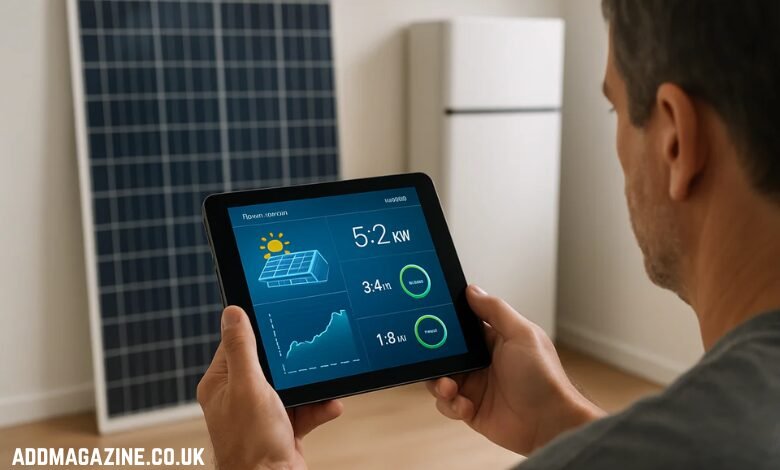
Remote monitoring capabilities allow homeowners to track energy production, consumption, and storage levels through mobile applications and web interfaces. Inadequate network connectivity limits access to these features and prevents the system from reporting performance data that helps identify operational problems.
Professional installations include network connectivity verification and may require wireless signal boosters or dedicated network connections to ensure reliable monitoring system operation. These connectivity requirements should be addressed during initial planning rather than discovered after system installation.
Firmware Update and Maintenance Requirements
Tesla regularly releases firmware updates that improve system performance, add new features, and address security vulnerabilities. Systems without reliable internet connectivity cannot receive these updates automatically, potentially missing important improvements or security patches.
Maintenance and troubleshooting capabilities depend on network connectivity for remote diagnostics and support services. Poor connectivity can complicate service calls and limit the ability of support technicians to identify and resolve system problems efficiently.
Conclusion
Tesla Powerwall installation success depends on thorough planning, professional expertise, and attention to details that extend far beyond basic system mounting and electrical connections. The most common installation mistakes stem from inadequate assessment of existing electrical infrastructure, poor location selection, and insufficient understanding of integration requirements with existing home systems.
Professional installers who understand local code requirements, environmental considerations, and long-term maintenance needs help homeowners avoid these costly oversights. Proper installation planning addresses electrical panel capacity, environmental factors, load calculations, permit requirements, solar system integration, and network connectivity to ensure reliable operation and maximum return on investment.
Homeowners who invest time in understanding these critical installation factors and work with experienced professionals achieve energy storage systems that provide reliable backup power, reduce electricity costs, and operate efficiently for many years. The complexity of modern energy storage integration makes professional expertise essential for avoiding the mistakes that compromise system performance and create ongoing operational problems.