Industrial operations across manufacturing, processing, and automation rely on precise pressure control to maintain product quality, operational safety, and equipment longevity. The choice between pneumatic, hydraulic, and electronic pressure control systems affects everything from response times and maintenance schedules to energy consumption and operational reliability. Each technology brings distinct advantages and limitations that directly impact production consistency and long-term operational costs.
Modern industrial environments demand systems that can handle variable loads, respond quickly to pressure changes, and maintain stable performance across extended operating periods. The pressure control technology selected often determines whether facilities experience smooth, predictable operations or face recurring issues with pressure fluctuations, system downtime, and maintenance complications. Understanding how these three primary approaches perform in real-world conditions helps facilities make informed decisions that align with their operational requirements and reliability expectations.
Core Technologies Behind Modern Pressure Control Systems
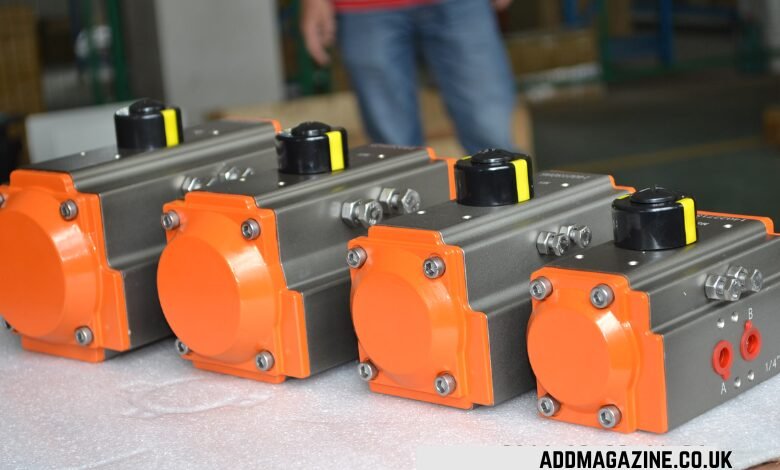
Pneumatic pressure control relies on compressed air to actuate valves, regulators, and control devices throughout the system. These systems use air pressure differentials to create mechanical movement and control responses, making them inherently simple and reliable for many industrial applications. A comprehensive Psi Pressure Systems overview reveals that pneumatic systems excel in environments where spark-free operation is essential and where moderate precision requirements allow for their straightforward mechanical operation.
Hydraulic systems generate control force through pressurized fluid, typically oil-based hydraulic fluid that transmits power more efficiently than compressed air. The incompressible nature of hydraulic fluid allows these systems to generate substantial force with relatively compact components, making them valuable for applications requiring high power density and precise positioning under heavy loads.
Electronic pressure control systems use sensors, processors, and electronically-controlled actuators to monitor and adjust pressure conditions continuously. These systems process pressure readings through digital controllers that can execute complex control algorithms, respond to multiple input variables, and provide detailed operational feedback to centralized control systems.
Operating Principles and Response Characteristics
Pneumatic systems operate through pressure differentials that create predictable mechanical responses. When system pressure drops below set points, pneumatic regulators automatically adjust valve positions through spring-loaded diaphragms or piston assemblies. This mechanical response occurs without external power sources, providing inherent fail-safe operation that returns to predetermined positions during power interruptions.
Hydraulic control systems transmit force through pressurized fluid circuits that respond immediately to pressure changes. The incompressible nature of hydraulic fluid means pressure changes translate directly into mechanical action without the delay associated with air compression and expansion cycles. This immediate response capability makes hydraulic systems particularly effective for applications requiring rapid pressure corrections or high-force actuations.
Electronic systems continuously monitor pressure conditions through digital sensors and execute control responses through programmable logic. These systems can process multiple variables simultaneously, including temperature compensation, flow rate adjustments, and predictive pressure corrections based on system trends. The digital processing capability allows for sophisticated control strategies that adapt to changing operational conditions.
Maintenance Requirements and System Longevity
Pneumatic systems require regular attention to air quality, including moisture removal, filtration, and occasional lubrication of moving components. Compressed air systems are susceptible to contamination from oil, water, and particulates that can affect regulator performance and cause premature wear of seals and moving parts. However, the mechanical simplicity of pneumatic components typically allows for straightforward troubleshooting and repair procedures.
Hydraulic systems demand consistent fluid maintenance, including regular fluid analysis, filter replacement, and seal inspection. Hydraulic fluid degradation affects system performance gradually, often showing symptoms like reduced response speed or pressure drift before complete failure occurs. The high pressures involved in hydraulic systems require careful attention to hose conditions, fitting integrity, and actuator seal performance.
Electronic psi pressure systems need periodic calibration of sensors, software updates, and replacement of electronic components that may fail due to environmental factors or normal aging. While electronic systems provide extensive diagnostic capabilities that help predict maintenance needs, they also introduce complexity that requires specialized knowledge for troubleshooting and repair.
Performance Analysis Across Different Operating Conditions
Temperature variations significantly impact the performance characteristics of each pressure control technology. Pneumatic systems experience pressure changes as air temperature fluctuates, requiring compensation strategies in applications where ambient temperature varies substantially. Cold temperatures can cause condensation issues in air lines, while high temperatures may affect the performance of rubber seals and plastic components in pneumatic circuits.
Hydraulic systems show temperature sensitivity primarily through fluid viscosity changes that affect response speed and internal leakage rates. Cold hydraulic fluid flows more slowly through control valves and orifices, potentially causing sluggish system response, while elevated temperatures can lead to increased internal leakage and reduced efficiency. Proper fluid selection and temperature management become critical factors in hydraulic system performance.
Electronic systems typically incorporate temperature compensation algorithms that adjust control parameters based on ambient conditions. Modern electronic pressure controllers can account for temperature effects on sensors, adjust control responses for fluid property changes, and maintain consistent performance across wide temperature ranges through sophisticated compensation strategies.
Accuracy and Repeatability Considerations
Pneumatic pressure control systems achieve accuracy levels that suit many industrial applications, though precision is inherently limited by the compressible nature of air and mechanical tolerances in control components. Typical pneumatic systems provide repeatability sufficient for general manufacturing processes, though applications requiring tight pressure tolerances may find pneumatic control inadequate.
Hydraulic systems deliver high accuracy and excellent repeatability due to the precise control possible with incompressible fluid systems. The immediate response characteristics and high force capability of hydraulic systems enable tight pressure control even under varying load conditions. This precision makes hydraulic control valuable for applications where pressure variations directly impact product quality or process outcomes.
Electronic pressure control systems offer the highest accuracy potential through continuous monitoring and digital control algorithms. These systems can achieve precision levels that exceed mechanical systems by compensating for environmental factors, predicting system behavior, and making continuous micro-adjustments to maintain set points. The ability to process multiple variables simultaneously allows electronic systems to maintain consistent performance despite changing operational conditions.
Energy Efficiency and Operating Costs
Pneumatic systems consume energy continuously through air compressor operation, even when pressure control activity is minimal. Compressed air systems typically operate at lower overall efficiency due to energy losses during air compression, distribution, and the inherent energy consumption of maintaining system pressure. However, pneumatic systems often require less sophisticated infrastructure and lower initial investment compared to other technologies.
Hydraulic systems operate with higher energy efficiency than pneumatic systems when actively controlling pressure, since hydraulic pumps can closely match power output to system demands. Modern hydraulic systems incorporate variable displacement pumps and accumulator systems that reduce energy consumption during periods of low activity. The high power density of hydraulic systems often results in lower overall energy consumption per unit of work performed.
Electronic systems optimize energy consumption through intelligent control strategies that minimize actuator activity and reduce unnecessary system cycling. These systems can implement energy-saving algorithms that maintain acceptable pressure control while reducing power consumption during low-demand periods. The integration capability of electronic systems allows for system-wide optimization that can reduce overall facility energy consumption.
Application Suitability and Industry-Specific Requirements
Manufacturing environments with moderate pressure control requirements often benefit from pneumatic systems due to their simplicity, reliability, and spark-free operation. Food processing, pharmaceutical manufacturing, and chemical processing facilities frequently utilize pneumatic control systems where explosion-proof operation is essential and where the inherent safety characteristics of compressed air systems provide operational advantages.
Heavy industrial applications, including steel production, large-scale manufacturing, and hydraulic presses, typically require the high force and precision capabilities that hydraulic systems provide. The ability to generate substantial control force from compact components makes hydraulic systems particularly suitable for applications where space constraints and high-power requirements intersect.
Process industries requiring sophisticated control strategies, data integration, and adaptive response capabilities increasingly rely on electronic pressure control systems. Chemical processing, power generation, and advanced manufacturing operations benefit from the flexibility and precision that electronic systems provide, particularly when pressure control must integrate with broader facility automation systems.
Safety and Reliability Factors
Pneumatic systems offer inherent safety advantages through their use of compressed air, which presents minimal fire or environmental hazards in case of system leaks. The mechanical fail-safe characteristics of pneumatic systems provide predictable responses during power failures, typically returning to predetermined safe positions without external intervention. According to OSHA safety standards, pneumatic systems require less complex safety protocols than hydraulic or electronic systems in many applications.
Hydraulic systems present potential safety considerations related to high-pressure fluid leaks and the flammability characteristics of hydraulic fluids. However, modern hydraulic systems incorporate multiple safety features including pressure relief valves, leak detection systems, and fire-resistant fluid options that address these concerns. The reliability of hydraulic systems under high-load conditions often outweighs safety considerations in appropriate applications.
Electronic pressure control systems provide extensive safety monitoring and diagnostic capabilities that can predict potential failures before they occur. These systems can implement complex safety interlocks, emergency shutdown procedures, and comprehensive alarm systems that enhance overall facility safety. The diagnostic capabilities of electronic systems often enable proactive maintenance that prevents safety incidents related to pressure system failures.
Integration with Existing Infrastructure
Facilities with established compressed air systems find pneumatic pressure control integration relatively straightforward, requiring primarily additional air preparation equipment and control components that connect to existing air distribution networks. The compatibility of pneumatic systems with existing infrastructure often makes them cost-effective choices for facilities already invested in compressed air systems.
Hydraulic system integration requires dedicated hydraulic power units, fluid distribution networks, and specialized components that typically represent significant infrastructure investments. Facilities considering hydraulic pressure control must evaluate whether the performance advantages justify the infrastructure requirements and ongoing maintenance commitments that hydraulic systems demand.
Electronic pressure control systems integrate readily with modern facility automation networks, providing data connectivity and remote monitoring capabilities that enhance overall operational visibility. The communication capabilities of electronic systems allow for centralized control, performance monitoring, and predictive maintenance strategies that benefit facility-wide operations.
Future-Proofing and Technology Evolution
Pneumatic technology continues advancing through improved materials, enhanced air preparation systems, and hybrid approaches that combine pneumatic actuation with electronic monitoring and control. These developments maintain the fundamental reliability advantages of pneumatic systems while addressing some traditional limitations in precision and monitoring capabilities.
Hydraulic systems benefit from ongoing improvements in fluid technology, seal materials, and electronic monitoring integration that enhance performance and reduce maintenance requirements. Modern hydraulic systems increasingly incorporate electronic feedback and control elements that combine hydraulic power advantages with electronic precision and monitoring capabilities.
Electronic pressure control systems continue evolving rapidly through advances in sensor technology, processing capabilities, and integration with industrial internet technologies. The connectivity and data processing capabilities of electronic systems position them well for future manufacturing trends toward increased automation and data-driven optimization.
Conclusion
The selection between pneumatic, hydraulic, and electronic psi pressure systems depends primarily on operational requirements, existing infrastructure, and long-term performance expectations. Pneumatic systems excel in applications prioritizing simplicity, safety, and moderate precision requirements, while hydraulic systems serve applications demanding high force and precise control under heavy loads. Electronic systems provide the highest precision and integration capabilities for facilities requiring sophisticated control strategies and comprehensive monitoring.
Each technology offers distinct advantages that align with specific operational contexts. Facilities must evaluate their pressure control requirements against the capabilities, costs, and maintenance implications of each approach to make informed decisions that support reliable, efficient operations. The continued evolution of all three technologies ensures that modern industrial operations have access to pressure control solutions that can meet diverse operational demands while supporting long-term reliability and efficiency objectives.