
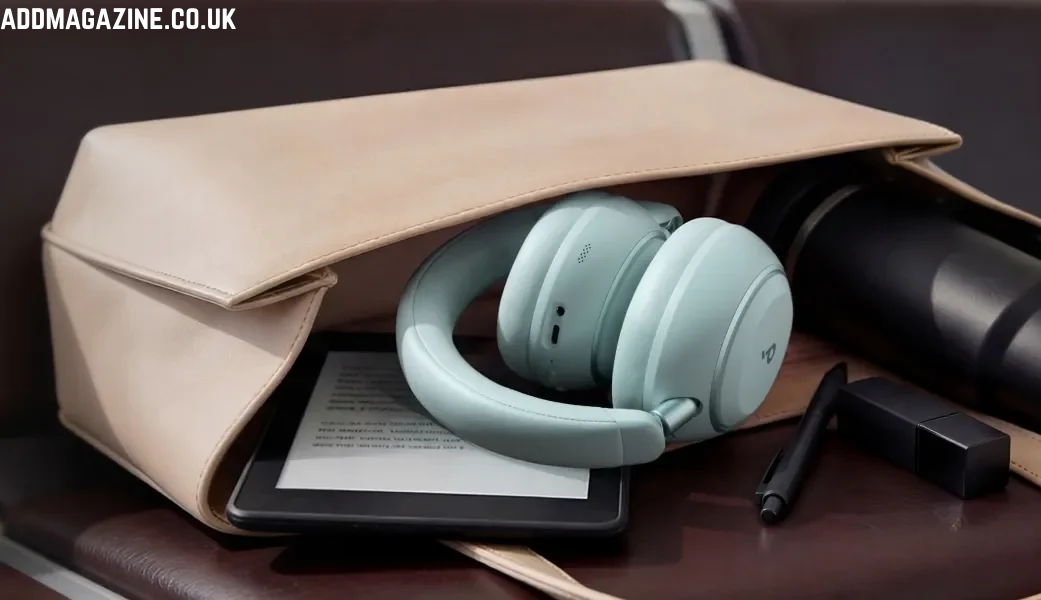
Noise-cancelling headphones are good for travel because they lower the steady background sounds that make journeys tiring, such as engine rumble, track noise, and cabin drone. That quieter backdrop can make music, films, podcasts, and even silence feel more relaxing during long trips. They also help you listen at lower volumes, which can reduce listening fatigue over time. For most travellers, the best pair combines effective active noise cancellation, comfortable earcups, dependable battery life, and simple connection options. Choosing with those points in mind makes travel headphones much more useful from departure to arrival.
How Noise Cancellation Helps During a Journey
Reducing Aircraft, Train, and Coach Rumble
Active noise cancellation is especially useful against low, steady sounds, which is why it works well on planes, trains, and coaches. Instead of trying to block every noise physically, the headphones create a signal that reduces persistent background rumble before it reaches your ears. That makes spoken audio clearer and lets you enjoy music without pushing the volume too high. A model such as soundcore Space 2 uses a 4-stage low-frequency noise cancelling system, which suits the kind of droning travel noise many passengers notice most. It will not remove every announcement, conversation, or sudden sound, but it can make the overall journey feel calmer, quieter, and less draining from start to finish.
Switching Listening Modes During Stops and Transfers
Travel rarely stays the same from start to finish, so flexible listening modes matter. You may want full noise cancellation while flying, then more awareness when walking through a station, waiting at a gate, or speaking to staff. Headphones that let you switch modes quickly are easier to use during real journeys because they adapt to changing environments instead of locking you into one setting. That makes it simpler to hear platform changes, boarding calls, or nearby traffic when needed. The benefit is not just quieter listening, but better control over your surroundings. For travel, that balance between immersion and awareness is often what makes noise-cancelling headphones genuinely practical rather than just comfortable.
What Makes Headphones Comfortable to Travel With?
Earcup Fit During Longer Listening Sessions
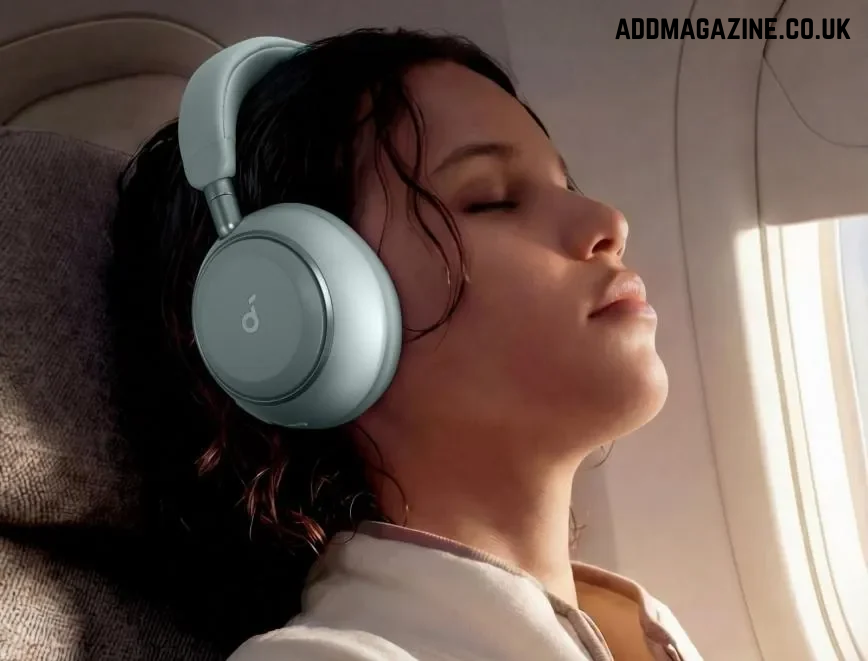
Comfort matters as much as sound quality on a long journey. Tight clamping force, shallow earcups, or stiff padding can become distracting after an hour or two, especially on overnight flights or extended rail trips. A good travel pair should spread pressure evenly across the head and around the ears without creating hot spots. The soundcore Space 2 is designed for this kind of use, with a pressure-relieving fit, an ergonomic headband, and upgraded protein leather ear cushions with slow-rebound memory foam. Those features can help the headphones feel gentler during extended listening. For frequent travellers, comfort should remain consistent even after hours of wearing your chosen pair on the move.
Folded Size and Protection in Your Bag
Packing space matters when you already carry chargers, documents, snacks, and other essentials. Large over-ear headphones can be excellent for comfort and noise reduction, but they are easier to travel with when they fold down neatly and fit into a protective case. A smaller packed shape leaves more room in a backpack or cabin bag and reduces the chance of the headband or earcups getting crushed in transit. Protection also matters during security checks, gate changes, and hurried transfers when bags get moved around quickly. If you travel often, look beyond how the headphones feel on your head and consider how easily they store, how sturdy they seem, and how safely they handle repeated packing.
Check Power and Connections for the Whole Trip
Battery Life With Noise Cancellation Enabled
Battery life can decide whether noise-cancelling headphones stay useful for the whole trip or become another item that needs urgent charging. Always check the quoted runtime with ANC enabled, since that is the mode many travellers use most. The soundcore Space 2 offers up to 50 hours of playtime with ANC on or 70 hours with ANC off, which is enough for multiple flights or several days of commuting between charges. Fast charging also helps when you forget to top up before leaving. Here, a 5-minute charge provides up to 4 hours of listening. That kind of reserve is valuable during layovers, delays, and long travel days when power outlets are not always convenient.
Connecting to Phones, Tablets, and Seatback Screens
When travelling, choose headphones that pair smoothly with the gadgets you rely on throughout your journey. For most people, that means a phone for music and calls, a tablet for films, and sometimes an in-flight entertainment screen. Reliable wireless pairing makes daily use simpler, but connection flexibility matters too because seatback systems may require a cable or adapter depending on the setup. When comparing Anker soundcore audio hot deals, check included accessories and device-switching options carefully. Stable connections are especially helpful during boarding and transfers, when you may pause on one device and resume on another. Good travel headphones should reduce friction, not create it, so convenience across different devices is worth checking carefully.
Conclusion
Yes, noise-cancelling headphones are good for travel because they reduce tiring background rumble, make listening more comfortable at lower volumes, and help long journeys feel less stressful. The strongest options combine effective ANC with a comfortable fit, manageable packed size, long battery life, and practical connection choices. Those details matter more than flashy marketing because they shape how the headphones perform from check-in to arrival. If you travel regularly, choosing a pair built for long wear and dependable power is a smart upgrade. The right model can make planes, trains, and coaches noticeably calmer, while still keeping your entertainment and essential audio easy to access.