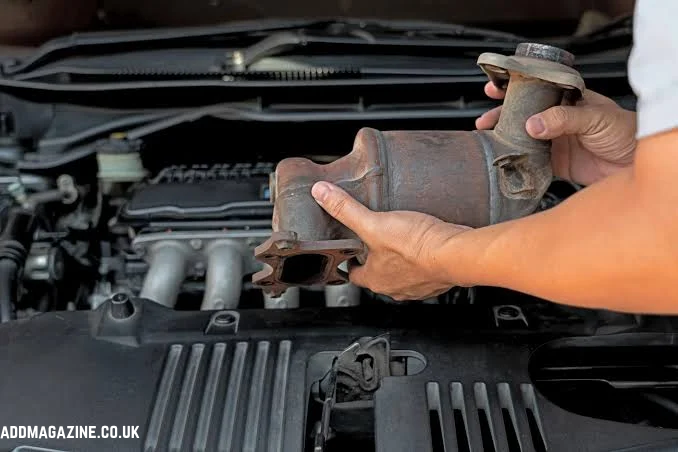
A catalytic converter removed during a repair can still hold valuable materials. Yet owners sometimes accept an offer without identifying the part or recording its condition. A few checks can make the transaction easier to explain and verify later.
Identify the Unit Before Discussing Value
Start with the vehicle’s make, model, engine, and production year. Photograph the converter from several angles, especially stamped codes, manufacturer marks, and any attached pipes. Those details help distinguish an original equipment manufacturer (OEM) unit from an aftermarket replacement.
Drivers asking how to sell catalytic converter parts responsibly should also keep the repair invoice and proof of ownership. Requirements for transferring used emissions equipment differ by location, and legitimate buyers may request documentation of its origin.
If markings are obscured by corrosion, record their location rather than guessing at the characters. Even partial identification can help a recycler narrow down the correct part family.
Check What Remains Inside
A converter contains a ceramic or metallic substrate coated with catalytic materials. Platinum and palladium play a key role in breaking down harmful carbon monoxide and unburnt hydrocarbons, while rhodium helps convert nitrogen oxides into less harmful gases. Recyclers seek these precious metals, not simply the steel housing.
Look for obvious damage, missing sections, or signs that the core has been removed. Photograph defects without cutting open the unit: opening it can release hazardous dust and destroy identifying details. A clean exterior does not prove an intact substrate, while a dented casing does not automatically make the part worthless.
Understand Why Offers Change
Recoverable metal loading depends on the converter’s design. Two parts from similar vehicles may contain different amounts, and OEM units often differ from aftermarket versions. A part number helps narrow the estimate; specialized testing can provide stronger evidence.
Metal quotations matter too. Platinum, palladium, and rhodium respond to mining supply, industrial demand, and emissions regulations. Palladium and rhodium have historically experienced sharp fluctuations. Recycling costs, recovery losses, and buyer margins further separate the market value of metals from a cash offer. Compare the latest market prices before making a decision, as outdated figures may no longer reflect the true value.
Keep a Clear Transaction Record
Before handing over the converter, save the buyer’s identity, the quoted amount, the part description, and the agreed payment method. Ask whether the offer assumes an intact core and whether inspection could change it. If the garage handled the replacement, clarify whether the old unit belongs to you or was included in a trade-in arrangement.
A dated receipt linking the identified part to the payment protects both sides from later confusion. The goal is not to predict the highest possible return, but to make the condition, ownership, and valuation basis clear before the unit changes hands.