Why the Big Five No Longer Defines a Great Safari
For decades, the measure of a good safari came down to a checklist: lion, leopard, elephant, buffalo, rhino. Tick them off and the trip was considered a success. That framework still has its place, but it no longer reflects what a luxury African safari actually delivers today.
The finest camps and operators have shifted the conversation away from sightings alone and toward the overall quality of the experience. Architecture, cuisine, privacy, guiding expertise and a genuine sense of place now matter just as much as which animals happen to walk past the vehicle. A luxury African safari in 2026 is judged on how the whole trip feels, not simply on what gets photographed.
What Luxury Actually Looks Like on Safari Now
Modern luxury camps are designed with the same attention to detail as a five star city hotel, only set against an entirely different backdrop. Expect architect designed suites with private plunge pools, interiors that blend natural materials with contemporary design, and dining that moves well beyond the traditional bush dinner formula, with menus built around fresh, seasonal ingredients and carefully selected wine lists.
Guiding has evolved just as significantly. The best guides today are specialists, often trained in tracking, ecology, ornithology or conservation science, capable of turning a single afternoon into something closer to a masterclass than a drive. Private vehicles and dedicated guides for each group have become standard at the top end, allowing the pace, route and focus of each outing to be shaped entirely around the guests in the vehicle.
Experiences That Go Beyond the Wildlife Checklist
A genuinely luxury African safari increasingly includes activities that have little to do with spotting the Big Five at all. Hot air balloon flights at sunrise, guided walking safaris with armed trackers, stargazing sessions with resident astronomers, and spa treatments delivered in open air settings overlooking the bush are now common features of a high end itinerary.
Cultural encounters have also become more considered, often built around genuine craft, cuisine or storytelling traditions specific to the region, rather than generic add ons. The result is an itinerary that engages guests intellectually and emotionally, not just visually.
Redefining Luxury for Families
This shift has had a particularly positive effect on the luxury family safari market. Where safari camps once catered almost exclusively to adult travellers, many of the continent’s most respected properties have built entire wings, private villas or interconnected suites specifically designed for multigenerational groups.
A well designed luxury family safari now includes guides trained to narrate a game drive for younger travellers, junior ranger programmes, and flexible scheduling that accounts for different energy levels across a family group. Grandparents can enjoy a slower pace and fine dining, parents get a genuine sense of relaxation, and children come away with an education in the natural world that no classroom could replicate. The experience is built so that no generation feels like an afterthought.
The Role of Privacy in Modern Luxury Travel
Privacy has become one of the defining features of high end safari travel, whether the group in question is a family or a couple. Entire camps or private villas can now be booked exclusively, giving guests full control over pacing, meal times and activity choices without sharing communal spaces with other parties.
This level of exclusivity extends to guiding as well. Rather than joining shared game drives, private guiding arrangements mean the itinerary can be adjusted in real time, whether that means lingering longer at a sighting or heading back early for a rest.
Choosing a Destination With Intention
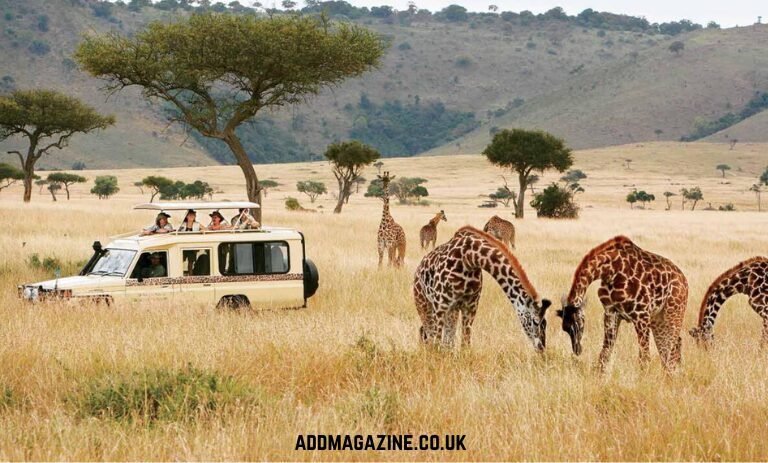
East Africa, particularly Kenya and Tanzania, remains popular for those chasing the Great Migration and the classic open plains landscape. Southern Africa, including Botswana and South Africa, tends to suit families especially well, thanks to malaria low reserves and private concessions designed with groups in mind. Namibia continues to attract travellers seeking something quieter, with vast desert landscapes and exceptional stargazing conditions.
Choosing the right region depends less on ticking off a wildlife list and more on matching the landscape, pace and style of camp to what the traveller actually wants from the trip.
The Bottom Line
Redefining luxury on safari means moving past the assumption that a good trip is measured purely by animal sightings. Today’s luxury African safari is shaped by design, privacy, expert guiding and thoughtful programming, whether the traveller is planning an intimate escape or a considered luxury family safari built around shared discovery. The Big Five may still make an appearance, but they are no longer the whole story.