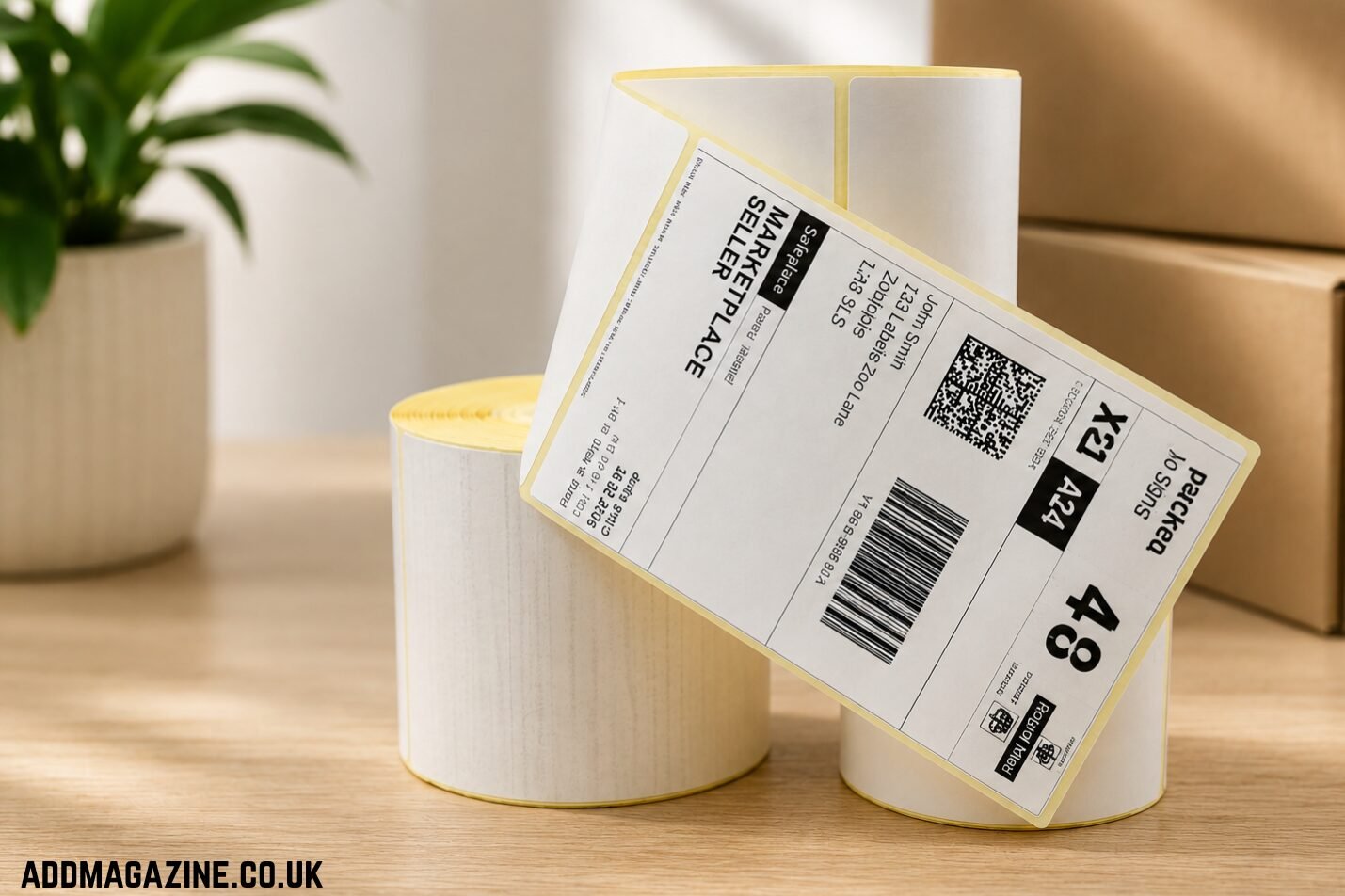
As e-commerce continues to grow and customer expectations around fast delivery increase, businesses are under more pressure than ever to maintain accurate, efficient fulfilment operations. From warehouses and distribution centres to online retailers and logistics providers, having the right labelling systems in place plays a major role in keeping operations running smoothly.
Whether labels are being used for shipping, stock control, barcode tracking, or inventory management, selecting the right format can improve workflow efficiency, reduce costly mistakes and help businesses maintain a professional fulfilment process.
For businesses handling high volumes of orders, choosing reliable label solutions from suppliers such as Labels Zoo can help streamline day-to-day operations while reducing unnecessary delays and shipping errors.
Understanding the Different Types of Labels
Businesses today have access to several types of label formats, each designed for different operational requirements. Among the most commonly used are sheet labels, integrated labels, and thermal roll labels.
Sheet Labels
Sheet labels are a popular option for businesses printing smaller volumes of shipping or address labels using standard office printers. They are commonly used for general administration, packaging, filing systems and low-volume fulfilment environments.
While sheet labels can be a cost-effective solution for smaller businesses, they are often less efficient in fast-paced warehouse operations where large quantities of labels are required throughout the day.
Integrated Labels
Integrated labels combine shipping labels and invoices onto a single sheet, making them particularly useful for businesses looking to simplify packing and dispatch processes.
This format is widely used in e-commerce fulfilment operations because it helps reduce paperwork handling and can improve packing efficiency. Integrated labels also help minimise the risk of documentation mismatches during shipping.
Thermal Roll Labels
For high-volume fulfilment and warehouse environments, thermal roll labels have become one of the most efficient and reliable labelling solutions available.
Thermal labels are designed for dedicated thermal printers, allowing businesses to print labels quickly without the need for ink or toner. This makes them particularly well-suited to busy shipping operations where speed, consistency, and cost-efficiency are essential.
As fulfilment demands continue to increase, many businesses are turning to thermal roll labels to improve operational efficiency and maintain accurate shipping processes.
Why Thermal Labels Are Becoming the Preferred Choice
Thermal roll labels offer several advantages over traditional label formats, particularly for businesses handling large order volumes or operating within fast-moving warehouse environments.
Faster Printing Speeds
Thermal printers enable fast label creation, helping warehouse staff handle high-volume orders quickly and maintain smooth workflow. Faster printing speeds can help improve dispatch times and reduce fulfilment bottlenecks.
Reduced Running Costs
Because thermal printers do not require ink cartridges or toner, businesses can significantly reduce ongoing printing costs. Over time, this can lead to substantial savings for companies processing hundreds or thousands of shipments each week.
Improved Reliability
Thermal labels are known for producing clear, high-quality barcodes and shipping information, helping reduce scanning issues and delivery errors. In logistics and fulfilment environments, label clarity is essential for maintaining accurate tracking throughout the shipping process.
Better Workflow Efficiency
Thermal roll labels are supplied on continuous rolls, making them ideal for repetitive printing tasks within warehouses and dispatch departments. Their ease of use allows staff to print labels quickly with minimal interruptions.
Choosing the Right Label Supplier
Selecting the right labels is only part of the process. Businesses also need a supplier capable of providing reliable stock availability, fast delivery, and cost-effective pricing.
For warehouses, retailers, and e-commerce businesses operating on tight fulfilment schedules, delays in label supply can quickly disrupt operations. Working with an experienced supplier helps ensure businesses always have access to the products they need to keep orders moving efficiently.
Bulk order discounts, dependable delivery services, and consistent product quality are also important considerations for businesses managing high shipping volumes.
Final Thoughts
As fulfilment operations become increasingly fast-paced, businesses are placing greater importance on efficient and reliable labelling systems. While sheet labels and integrated labels continue to serve important purposes, thermal roll labels are rapidly becoming the preferred choice for high-volume shipping and warehouse environments.
By investing in the right label solutions and working with trusted suppliers, businesses can improve fulfilment accuracy, streamline operations, and create a more efficient shipping process that supports long-term growth.