A patient searching for dental implants in Antalya may already have a particular procedure in mind. All-on-4, for example, is often discussed by people who need replacement teeth across an entire jaw. But a person missing several teeth does not necessarily need full-arch treatment, and someone with remaining natural teeth should not assume those teeth must be removed.
Choosing an appropriate treatment begins with understanding the underlying issue that requires attention. Which teeth are missing? Which can be retained? Are the tissues and bone surrounding the teeth in good condition? The answers help a dentist distinguish between replacing individual teeth, restoring a smaller section of the mouth and planning a full arch. For patients travelling to Antalya, that distinction also shapes the number of appointments and the follow-up care they may need.
What does All-on-4 describe?
All-on-4 is an approach in which four dental implants are planned to support a full arch of replacement teeth in one jaw. It is a treatment concept, not a diagnosis. The name does not establish whether four implants are appropriate for a particular patient, what preparatory care may be needed or when the final teeth can be fitted.
People researching all on 4 antalya should therefore ask what the proposed treatment would replace. Is the plan for the upper jaw, the lower jaw or both? Are there remaining teeth, and what has the examination shown about them? A clinician should be able to explain why full-arch replacement is being considered rather than another way of treating the patient’s existing teeth or gaps.
Patients may also encounter descriptions of receiving teeth soon after implant placement. Whether a temporary restoration can be fitted at that stage depends on the individual plan and clinical findings. It should not be assumed from the name All-on-4 alone.
When might a different implant plan be considered?
Implants can support different types of restorations. A patient missing one tooth, for instance, has a different treatment question from someone who has lost all the teeth in one jaw. Where several teeth are missing, the clinician must assess the available options in the context of the remaining teeth, gums, jawbone and bite.
A search for dental implant antalya may introduce patients to these broader possibilities. The useful next question is not simply how many implants they can have, but what the implants would support and why that restoration has been proposed. The intended shape and position of the artificial teeth should guide where dental implants are inserted.
There may also be reasons to address existing oral health concerns before deciding on a restoration. The dentist can examine the condition of any remaining teeth and explain whether they can be treated or retained. Patients should ask about the alternatives when a plan proposes extraction, particularly if they expected to keep those teeth.
What information is needed for an individual recommendation?
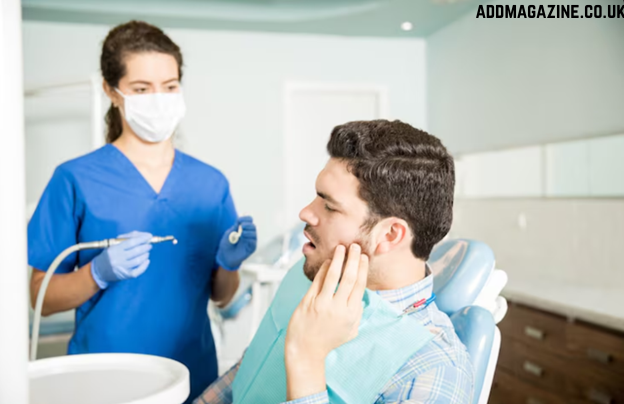
An implant assessment includes a discussion of dental concerns and relevant health history, followed by an examination. The clinician can assess the teeth and gums, consider how the jaws meet and determine which imaging is needed. These findings inform whether implant treatment is suitable and what further decisions remain.
Patients should describe what they hope to achieve in practical terms. Someone who has trouble chewing may have different priorities from someone concerned about gaps visible when smiling. Both concerns deserve discussion, but they do not automatically lead to the same treatment plan.
The consultation should also make uncertainty clear. A clinician may be able to outline possible approaches at an early stage while reserving a final recommendation until examination or imaging is complete. Patients planning travel should distinguish that initial discussion from a confirmed, personalised treatment plan.
How can patients prepare for treatment in Antalya?
When contacting a dental clinic antalya, patients can ask how an in-person assessment is arranged and what information they should bring. Details of previous dental work, current symptoms, medical conditions and medicines can help the treating clinician understand their situation. Existing dental records may be useful, though the clinician may still need a current examination.
After assessment, patients should request a written explanation of the proposed stages. That includes any treatment needed before implant placement, what will happen at the implant appointment, whether temporary teeth are planned and when the final restoration may be considered. If the schedule depends on healing or a later review, the plan should say so.
Travel arrangements should leave room for clinical decisions rather than dictate them. Patients can ask which appointments require them to be in Antalya, whether a return visit is anticipated and whom to contact with questions after they leave. A proposed timetable is most useful when it also explains what could cause it to change.
Why should aftercare influence the decision?
Implant-supported replacement teeth require daily cleaning and professional review. The instructions may differ according to the restoration’s design, so patients should learn how to care for the teeth proposed in their own plan. They should also understand what changes or symptoms warrant a dental assessment.
For someone returning home after treatment, it is worth clarifying how records will be provided and where future reviews can take place. These arrangements should be discussed before treatment begins, not left until a concern arises.
All-on-4 may be relevant to a patient who needs full-arch replacement, while another implant approach may better address a smaller area of tooth loss. In Antalya, the soundest starting point is an individual assessment that establishes what needs replacing, explains the available options and sets out a realistic path through treatment and ongoing care.