Packaging might seem like the last thing on your mind when you’re focused on formulation, efficacy, and getting products to market. But here’s the truth: the right packaging is one of the most powerful tools you have for protecting product quality, keeping regulators happy, and earning lasting patient trust.
Every tablet, capsule, and liquid you produce relies on its packaging to stay safe and effective from the moment it leaves your facility to the moment it reaches a patient’s hands. Get it wrong, and you risk degraded products, failed audits, costly recalls, and a dented reputation. Get it right, and you build a foundation for genuine business growth.
That’s where amber glass bottles and quality glass packaging come into play. These tried-and-tested solutions protect sensitive formulations, support compliance, and signal quality to everyone who handles your products. Let’s dig into why drug-safe packaging deserves your full attention, and how to choose options that pay off for years to come.
Why Drug-Safe Packaging Is Critical in the Pharmaceutical Industry
Think of packaging as the first line of defence for everything you make. It’s the barrier standing between your carefully developed formulation and a world full of light, moisture, oxygen, and contaminants ready to compromise it.
Strong packaging protects product stability across the entire supply chain. Your medication may travel thousands of miles, sit in warehouses, and endure temperature swings before it ever reaches a patient. Packaging that holds up under these conditions keeps your product performing exactly as intended.
Then there’s potency and efficacy. Active pharmaceutical ingredients (APIs) can be delicate creatures. If packaging fails to shield them properly, you’re left with a product that may not deliver the therapeutic effect patients depend on. And when a treatment doesn’t work as promised, patient safety takes the hit.
The business stakes are just as high. A single packaging failure can trigger a product recall, and recalls are brutal. They drain resources, attract regulatory scrutiny, and chip away at the brand reputation you’ve worked so hard to build. Reliable packaging isn’t just about protecting products; it’s about protecting your entire operation.
Key Risks Pharmaceutical Packaging Must Address
Before you can choose the right packaging, you need to know exactly what you’re protecting against. Here are the main threats your packaging has to handle.
Light Exposure
Light is sneaky. Both UV and visible light can degrade APIs, breaking down sensitive compounds and reducing the effectiveness of your product. Some formulations are so light-sensitive that even brief exposure can compromise their integrity.
This is why light-resistant packaging is non-negotiable for many products. Choosing materials that block harmful wavelengths keeps your formulations stable and effective right up to the point of use.
Moisture and Oxygen Ingress
Moisture and oxygen are quiet troublemakers. When they sneak into packaging, they can trigger chemical reactions that shorten shelf life, alter potency, and degrade product quality. Hygroscopic compounds are especially vulnerable, absorbing water from the air and changing in ways you definitely don’t want.
The better your packaging seals out these elements, the longer your products stay stable and safe to use.
Chemical Interactions
Not all packaging materials play nicely with the products they hold. Some plastics and lower-grade materials can react with formulations, leaching substances into the product or absorbing active ingredients out of it. Either way, product purity suffers.
Choosing chemically inert packaging eliminates this risk. When your packaging stays neutral, your formulation stays exactly as you designed it.
Physical Damage During Transport
Your products face plenty of bumps along the journey. Storage, handling, and distribution all introduce the risk of breakage, cracking, and physical damage. A compromised container means a compromised product.
Durable packaging that withstands the rigours of transport keeps your products intact and protected. It’s a practical detail that makes a real difference to how much product survives the trip to market.
The Advantages of Amber Glass Bottles for Pharmaceutical Products
So why do so many manufacturers reach for amber glass bottles again and again? Because they tick nearly every box on the drug-safe packaging checklist.
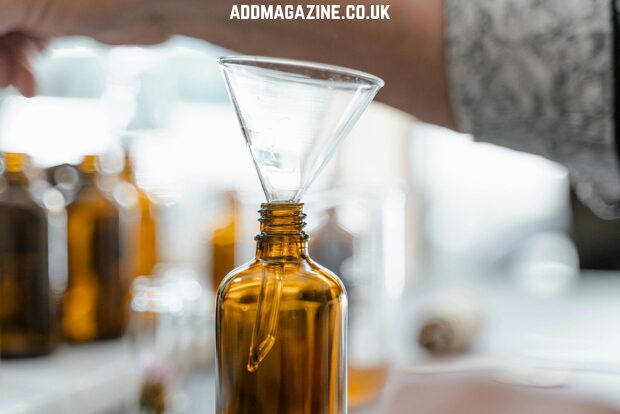
The standout benefit is superior UV protection. The amber tint filters out harmful light far more effectively than clear glass or many plastic alternatives, shielding light-sensitive formulations from degradation. For medications that can’t tolerate light exposure, pharmaceutical amber glass bottles are often the smartest choice on the market.
Chemical inertness is another major win. Glass doesn’t react with the products it contains, so there’s no risk of leaching or unwanted interactions. Your formulation stays pure and exactly as intended, which is precisely what you want from your pharmaceutical packaging solutions.
This combination of light protection and chemical stability translates directly into longer shelf life and better product consistency. Your products stay potent and reliable for longer, which benefits patients and your bottom line alike.
And here’s the versatility factor: amber glass bottles work beautifully for liquids, tablets, capsules, and laboratory products. Whether you’re packaging syrups, supplements, or sensitive reagents, there’s an amber glass option suited to the job. That flexibility makes them a genuine workhorse across pharmaceutical and nutraceutical applications.
Why Glass Packaging Continues to Be a Trusted Industry Standard
Glass has earned its place at the top, and it isn’t going anywhere. There’s a reason glass packaging remains the gold standard across the pharmaceutical world.
For starters, glass is non-reactive and remarkably stable. It won’t interact with your products, won’t break down over time, and won’t introduce contaminants. That reliability is exactly what regulated industries demand.
Its barrier properties are excellent too. Pharmaceutical glass packaging keeps moisture and gases out far more effectively than most alternatives, preserving product quality through every stage of the supply chain. When you need a dependable seal against the elements, glass delivers.
Compliance is another big draw. Glass meets the strict standards regulators expect, making it easier to satisfy quality requirements and pass audits. That alone takes a weight off the shoulders of any QA professional.
Sustainability deserves a mention as well. Glass is endlessly recyclable, making it a genuinely responsible choice. As more brands prioritise environmental goals, sustainable glass packaging helps you meet those commitments without compromising on protection.
Finally, let’s not overlook appearance. Glass simply looks premium. That polished, high-quality feel reassures patients and healthcare professionals that they’re handling a product they can trust.
Regulatory Requirements and Compliance Considerations
Packaging decisions don’t happen in a vacuum. They sit squarely within a web of regulatory expectations, and getting compliance right is essential.
Good Manufacturing Practice (GMP) sets the baseline. Your packaging processes need to meet GMP standards across the board, from material selection to filling and sealing. Cutting corners here isn’t an option.
Packaging validation and quality control procedures are equally important. You need documented proof that your packaging performs reliably and protects products as intended. Robust validation gives you confidence and gives regulators the assurance they require.
Traceability and labelling can’t be overlooked either. Clear, accurate labelling and full traceability help you track products through the supply chain and respond quickly if issues arise. It’s a core part of responsible pharmaceutical operations.
Then there are child-resistant and tamper-evident features. These protect patients from accidental harm and give clear evidence if a product has been interfered with. For many products, they’re a regulatory requirement rather than a nice-to-have.
Underpinning all of this is supplier quality assurance. Your packaging is only as reliable as the partner who supplies it. Working with suppliers who maintain rigorous quality standards keeps your entire operation on solid ground.
Best Practices for Selecting Pharmaceutical Packaging
Ready to make smarter packaging choices? These best practices will help you match the right solution to every product.
Assess Product Sensitivity
Start by understanding what your product can and can’t tolerate. Is it light-sensitive? Then amber glass should be high on your list. Is it prone to absorbing moisture? You’ll need packaging with strong moisture barriers. And consider temperature stability too, since some formulations require careful handling across varying conditions. Knowing your product’s vulnerabilities shapes every decision that follows.
Evaluate Material Compatibility
Always check how your chosen material interacts with your formulation. The goal is to prevent leachables and extractables, those unwanted substances that can migrate between packaging and product. Choosing compatible, inert materials keeps your formulation’s integrity fully intact from production to use.
Consider Supply Chain Conditions
What storage conditions will it face? What transportation risks does it need to survive? Packaging that performs perfectly in your facility but fails during distribution isn’t fit for purpose. Choose solutions built to handle the real-world conditions your products will encounter.
Prioritise Patient Safety
Never lose sight of the people at the end of the chain. Packaging should be easy to use, with secure closure systems that keep products protected and clear labelling that prevents confusion. When patients can use your products safely and confidently, you’ve done your job well.
How Safe Packaging Supports Long-Term Business Success
Quality packaging isn’t just a cost; it’s an investment that pays dividends across your business.
First, it dramatically reduces the risk of recalls and compliance issues. Fewer recalls mean fewer financial hits, fewer regulatory headaches, and far less stress for your team. That stability alone makes premium packaging worth every penny.
When your products consistently arrive intact, effective, and professionally presented, people trust your brand. And trust, as you know, is the currency that keeps customers coming back.
Reliable packaging enhances product performance and consistency too. Your formulations stay stable and effective, which means your products deliver on their promises every single time.
The sustainability angle adds even more value. Choosing recyclable glass packaging supports your corporate responsibility goals and appeals to increasingly eco-conscious customers and partners.
Put all of this together and you gain a real competitive advantage in regulated markets. Companies that take packaging seriously stand out, win contracts, and grow with confidence.
Conclusion
Packaging is far more than a container. It’s the guardian of your product’s quality, efficacy, and safety from manufacture all the way to the patient. Choosing wisely protects everything you’ve worked to build.
Amber glass bottles and quality glass packaging continue to set the standard for good reason. They deliver reliable protection against light, moisture, and chemical interactions, support the compliance you can’t afford to compromise on, and reinforce the trust patients and partners place in your brand.
If you’re serious about safeguarding your products and driving long-term success, make packaging a priority, not an afterthought. Invest in solutions that protect what matters, and watch your business reap the rewards. Your products, your patients, and your bottom line will thank you for it.