
A building’s exterior condition can influence its valuation before a surveyor has even stepped through the front door. Signs of water damage, neglected maintenance, or structural movement may lead to further investigation and higher repair estimates. Regular checks help you identify small defects early, preserve the property’s appearance and provide clear evidence that it has been cared for.
First Impressions Sway Surveyors
Start your inspection at the pavement or site entrance, where the building can be viewed as a whole. Peeling paint, stained walls, damaged fencing and overgrown planting may suggest that maintenance has slipped elsewhere. These issues rarely determine a valuation alone, but they can shape how closely a surveyor examines the property.
A typical exterior property inspection covers walls, openings, drainage and visible roof elements. Clean windows, trim vegetation away from walls and repair loose gates before a valuation visit. Check external lighting and paths too, since cracked paving and poor drainage can create avoidable safety concerns.
Roofline Integrity Matters
Inspect the roofline from ground level using binoculars or a camera with a zoom lens. Look for slipped tiles, sagging sections, damaged flashing and gaps around chimneys. Don’t climb onto the roof yourself, especially when surfaces are wet, or access is awkward.
Fascias and soffits also deserve attention. Flaking paint, softened timber or dark staining can indicate repeated exposure to water. Overflowing rainwater may damage these components and leave marks on the masonry below. Regular gutter maintenance can help protect roof coverings, external walls and other parts of the property from repeated water exposure.
Investing in Regular Gutter Cleaning
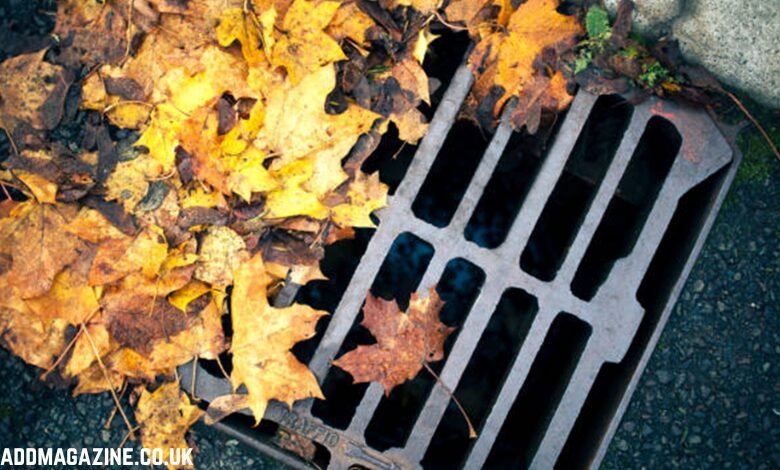
Arrange gutter cleaning when channels contain leaves, moss or other debris or when water spills over the edge during rainfall. Leicester property owners and businesses can also seek help with blocked downpipes, repairs or replacement sections where necessary.
Check drainage at least twice a year, with extra inspections after storms or heavy leaf fall. From ground level, watch where rainwater travels. It should enter the gutter, pass through the downpipe and discharge into the intended drain. Persistent overflow can soak walls, damage decorative finishes and contribute to damp inside. Photograph any problem before and after work so you have a dated maintenance record.
Masonry Cracks and Brickwork Decay
Walk around the building and note cracks, loose render, crumbling mortar and bricks with flaking faces. Fine cracks in surface finishes may be cosmetic, but stepped cracking through mortar joints or gaps that appear to widen need professional assessment. A structural inspection can help assess cracking patterns, floors and other load-bearing elements when movement is suspected.
Use dated photographs and a ruler to monitor a crack over several months. Avoid covering it immediately, as this can hide useful evidence. Replace failed pointing with a compatible mortar and address the source of persistent saturation before repairing damaged brickwork. Unsuitable hard mortar may trap moisture and accelerate decay in older walls.
Keeping Clear Property Records
Keep invoices, inspection reports, guarantees and dated photographs together in a digital folder. Label each document with the location and type of work, such as “rear elevation pointing” or “front downpipe repair”. Clear records show when a defect appeared, what action was taken and who completed the work.
Include permissions and completion certificates where they apply to external alterations. If you obtain several quotations, retain those too, even if the project hasn’t started. They give a valuer a more reliable cost basis than a rough visual estimate.
Before the next valuation, review the file alongside a fresh exterior inspection. A photograph of a repaired crack or a receipt for cleared drainage can turn a visible concern into documented maintenance with a clear outcome.