Scottish clans stopped selling actual titles of nobility centuries ago, but that hasn’t stopped a whole industry from springing up around the word “laird.” Type “buy a plot of Scotland” into a search bar and you’ll get dozens of sites offering a certificate and a name for your wall. Most of them are printing companies with a Highlands theme slapped on top.
Highland Titles is a different kind of business entirely and that difference is the whole reason it’s worth a closer look before you spend anything on a gift like this.
What Highland Titles Actually Sells
Founded in 2006, Highland Titles sells souvenir plots of Scottish land, some as small as one square foot, with the money going toward conservation work in the Scottish Highlands. Buying a plot gives the owner a personal right of ownership over that specific piece of ground, not a certificate referencing land in general.
That plot comes with permission to use the registered trademarks “Laird,” “Lord,” or “Lady of the Glen” as a personal styling. It’s a novelty and the company doesn’t pretend otherwise, but the mechanics behind it are more concrete than a printed name plaque.
The company has picked up mainstream attention along the way, including coverage from FORBES and a segment on Good Morning America. It’s also a family business, which shapes the smaller, personal touches in how the gift packs are put together.
The Difference That Actually Matters: Real Land You Can Visit
Plenty of companies will sell you a piece of paper naming a patch of Scotland you’ll never see. Highland Titles owns actual nature reserve land, including a reserve near Duror by Glencoe and plot buyers get the exact coordinates of their square footage rather than a vague regional reference.
That means the plot isn’t an abstraction. Owners can look their coordinates up on Google Maps and they can travel to the reserve and walk the ground that’s technically theirs. Compare that to a novelty site that hands you a scroll referencing “the Highlands” broadly, with no way to point to a specific spot on a map and the gap in substance is obvious.
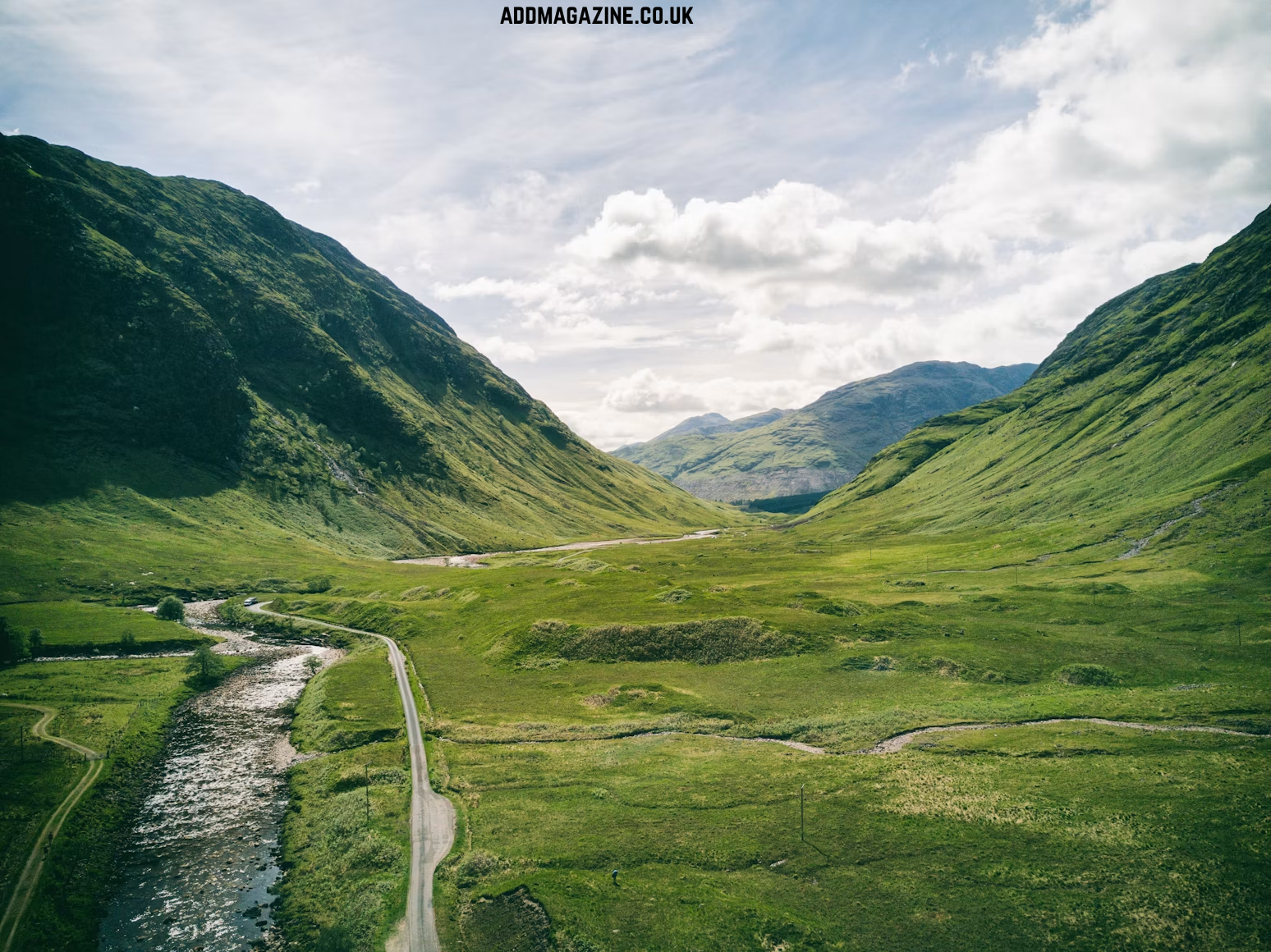
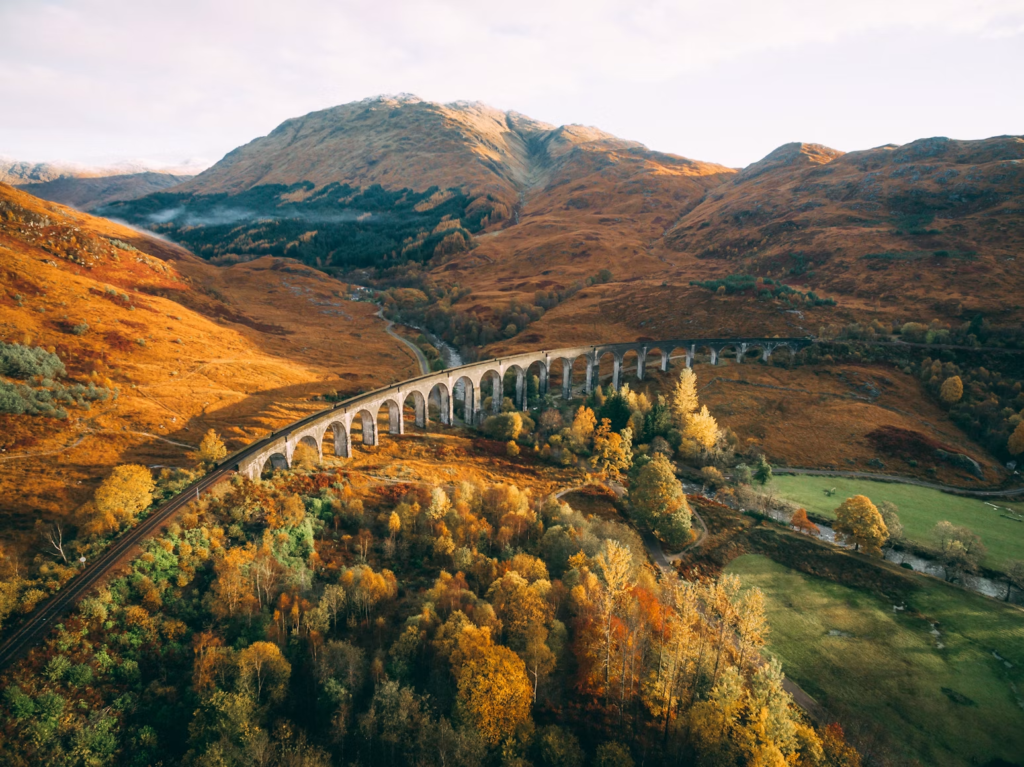
The Glencoe area is already known for dramatic scenery and hiking routes, so a plot near Duror sits inside a part of Scotland people already travel to see. That’s a meaningfully different pitch than a certificate you’re supposed to just take on faith.
How the Purchase Actually Works
The process is straightforward, but a few steps are worth walking through if you’ve never bought anything like this before.
1. Pick a plot size and pay the listed price, which starts as low as £35.
2. Receive a customized certificate and gift pack, along with legal deed-style paperwork for the plot itself.
3. Get sent the exact coordinates of your specific piece of land, which you can locate on Google Maps.
4. Use the “Laird,” “Lord,” or “Lady of the Glen” styling if you choose to, since the trademarks are licensed to plot owners.
5. Visit the reserve in person whenever you want to see the plot for yourself.
None of these steps require you to be in Scotland, or even in the UK, to get started. The paperwork and gift pack ship to the buyer and the visit is something you do on your own schedule, not a requirement tied to the purchase.
What You’re Actually Paying For
At a starting price of £35, the plot itself isn’t the expensive part of anyone’s gift budget. What you’re paying for is the combination of a legitimate conservation link and a physical place tied to a name, rather than a laminated card with no land behind it.
Revenue from plot sales funds conservation work across the Scottish Highlands, including planting native broadleaf trees, protecting wildlife and maintaining the reserves themselves. That’s a concrete use of the money, not a vague “supports the environment” line with nothing behind it. And because the plot comes packaged as a full experience, complete with a personalized certificate, deed-style paperwork and interactive plotting on Google Maps, the unboxing moment does more work than a single sheet of paper ever could.
Souvenir plot owners also never owe land taxes on their square footage, which matters more as a footnote than a selling point but is worth knowing before anyone assumes there’s a hidden annual cost.
Strengths Worth Naming
A reserve you can actually walk. The Duror plot near Glencoe means the gift has a physical destination attached to it, not just a name on a document.
Exact coordinates, not a vague region. Plot owners get the specific location of their land, which they can check on Google Maps before ever setting foot in Scotland.
A gift pack built for the moment of opening it. The certificate, gift pack and deed-style paperwork are designed to make the unboxing feel like an event, which matters if the plot is a birthday or holiday present rather than a solo purchase.
Money tied to visible conservation work. Tree planting, wildlife protection and reserve upkeep are named uses of the funds, not an abstract promise.
A track record with outside coverage. Being featured on Good Morning America and covered by FORBES gives the brand a level of outside visibility that most novelty gift sites don’t have.
Where It Falls Short
The land is real, but the ownership is symbolic in the sense that mattered to Highland Titles’ own original novelty positioning, a souvenir plot, not a working farm or a buildable lot. Anyone expecting to develop or resell their square footage in a traditional real estate sense will be disappointed, because that was never the product.
The whole idea also depends on the recipient understanding, or wanting to understand, what a souvenir plot actually is. Someone unfamiliar with the concept might read “Laird of the Glen” and think it’s a joke rather than a gift tied to actual conservation land, so it helps to explain the concept alongside the gift itself.
Distance is a real practical factor too. Visiting the reserve near Duror means a trip to Scotland, which isn’t something every plot owner will get around to, even if the option is always there.
Who Should Buy This
Highland Titles works well for people buying a gift for someone who already loves the outdoors, has a soft spot for Scotland, or just wants something with a story behind it instead of another mug or gift card. It also suits anyone who cares more about where their money goes than about the size of what they’re buying, since a one-square-foot plot funds the same conservation work as a larger one.
It’s a weaker fit for someone who wants a purely functional gift, or for a buyer who needs the recipient to grasp the concept instantly without any explanation. This is a gift that rewards a little context, not one that speaks entirely for itself out of the box.
The Verdict
Highland Titles isn’t selling land in any conventional sense and it’s honest about that. What it sells is a real, mapped connection to a Scottish nature reserve, a gift pack built to feel like an occasion and a funding stream that goes toward actual conservation work rather than a marketing line.
For a gift shopper who wants something more substantial than a novelty certificate, starting at £35 is a low bar to clear for a story that includes GPS coordinates, a physical reserve near Glencoe and a licensed title to go with it. That combination, more than any single feature, is what separates this from the rest of the “buy a Scottish title” category.