Photography has always helped couples preserve important moments. From holidays and anniversaries to engagements and ordinary days together, images allow people to revisit experiences that might otherwise fade over time. Digital culture has expanded this tradition by turning relationship photos into profile pictures, social posts, wallpapers, greeting cards and personalised gifts.
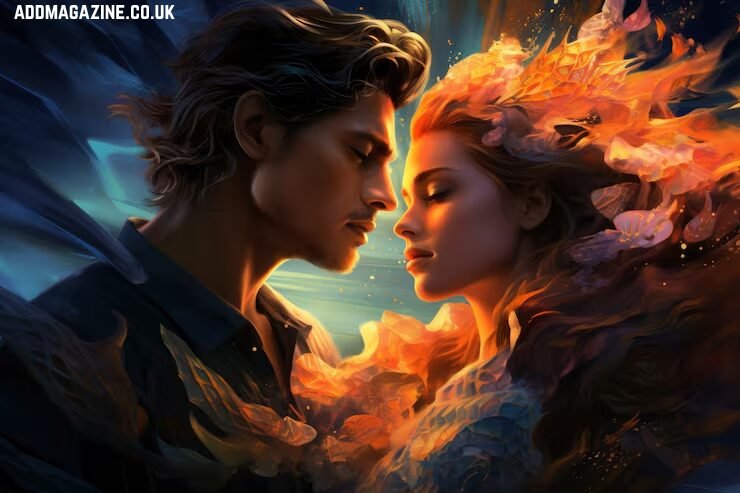
AI image tools are now adding a new creative option. Instead of relying entirely on professional photography or complex editing software, couples can transform existing pictures into romantic portraits, cinematic scenes and themed keepsakes. Creating an ai couple photo can turn an everyday snapshot into a more expressive image that reflects the personality and story of a relationship.
Why Personalised Images Feel More Meaningful
Generic romantic images are widely available, but they rarely carry the emotional value of a picture featuring two real people. Personalisation makes an image relevant to a particular relationship, occasion or shared memory.
A customised portrait can celebrate an anniversary, birthday, engagement or long-distance relationship. It can also capture a shared interest or imagined experience, such as appearing together in a vintage film scene or at a dream travel destination.
The emotional value comes from recognition. When the image retains the couple’s appearance and connection, it becomes more than attractive artwork. It becomes a personal keepsake.
From Everyday Snapshots To Creative Portraits
Many meaningful photographs are taken casually. They may have imperfect lighting, distracting surroundings or a composition that does not suit a special occasion. Although these limitations do not diminish the original memory, they can make the photograph less suitable for a gift or prominent social post.
AI tools allow couples to reinterpret these pictures. A casual selfie might become an elegant evening portrait, while a holiday photograph could inspire a cinematic travel image. Users can experiment with editorial, illustrated, vintage or fantasy styles without organising another photo shoot.
This approach does not replace traditional photography. It extends what people can create from photographs they already value.
Popular Uses For AI Couple Photos
AI couple photos can support many personal and creative ideas:
- Anniversary portraits
- Engagement announcements
- Valentine’s Day cards
- Wedding concept images
- Matching profile pictures
- Romantic phone wallpapers
- Long-distance relationship keepsakes
- Framed prints and personalised gifts
- Social media celebration posts
- Digital scrapbook artwork
The most successful images usually begin with a clear purpose. An image designed for printing may need a timeless composition, while a social profile picture requires clear faces and tighter framing.
What Makes A Strong Source Photo
The original photograph has a significant effect on the generated result. Both faces should be visible and reasonably well lit. Blurry, highly compressed or heavily filtered photographs may make it harder to preserve facial details accurately.
A close-up reference is often suitable for a portrait, while a wider photograph can provide more information about posture and clothing. Natural expressions also tend to produce images that feel more authentic.
Using a clear source image gives the technology better information and reduces the likelihood of distorted or unfamiliar features.
How To Write A Useful Prompt
A prompt should explain the intended scene rather than simply requesting a beautiful or romantic image. Helpful details include the location, mood, clothing, lighting and photographic style.
For example, a prompt might request an elegant couple portrait in a London rooftop setting, with natural expressions, warm evening light and a refined editorial finish. This provides a coherent creative direction without adding too many conflicting instructions.
The prompt should also match the intended use. A personalised gift may benefit from warm and timeless styling, while a social post can accommodate a more dramatic visual concept.
Identity Consistency Matters
A polished result has limited personal value if the couple no longer looks recognisable. Identity consistency is therefore one of the most important quality checks.
Users should examine facial structure, eyes, smiles, skin tone and other familiar details. Hands, jewellery and clothing may also require attention because generated images can occasionally contain small visual errors.
Producing several variations makes it easier to select an image that combines creative styling with recognisable identities.
Turning Digital Images Into Thoughtful Gifts
An AI-generated portrait does not need to remain on a screen. It can be printed as wall art, added to a greeting card, included in a photo book or used within a video montage.
This flexibility makes personalised couple imagery suitable for both significant milestones and smaller gestures. A carefully selected image can feel thoughtful without requiring the expense or organisation of a professional photography session.
Users planning to print an image should check its resolution, facial details and composition before ordering the final product.
Consent And Responsible Use
Both people should agree to how their likenesses are used. This is particularly important when the finished image will be posted publicly, printed commercially or altered in a highly stylised way.
Generated scenes should also be presented as creative artwork rather than evidence of events that did not occur. Clear and responsible use protects trust while allowing couples to enjoy the creative possibilities of the technology.
Final Takeaway
AI couple photos are reshaping personalised digital memories by making creative portraiture more accessible. They allow couples to transform ordinary photographs into romantic artwork, social content and meaningful gifts without requiring specialist editing skills.
The best results begin with clear reference photos, focused prompts and careful quality checks. When used thoughtfully, AI adds a new form of visual expression while keeping the real relationship at the centre of the image.