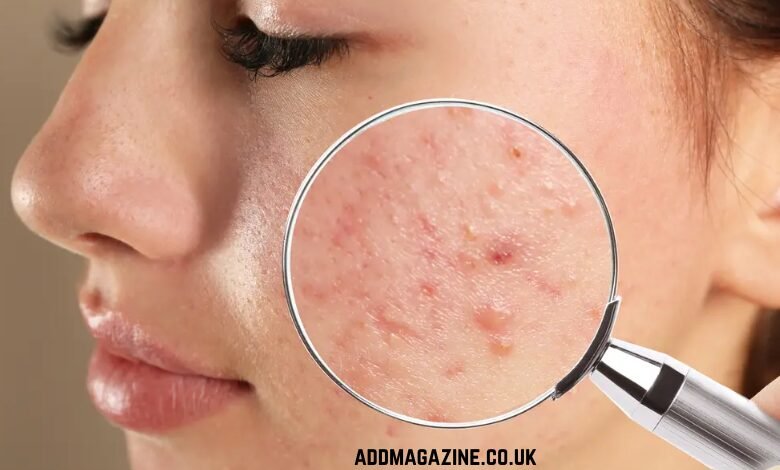
Most people start seeing changes within 4 weeks, but clearer, steadier improvement usually appears after 2 to 3 months. A full course often lasts about 4 to 5 months, though some people need more or less time depending on acne severity, dose, and response.
If you are wondering how long does it take for accutane to work, the practical answer is: early signs may appear in the first month, but the strongest results usually build over several months. The American Academy of Dermatology says one course generally takes 4 to 5 months.
Accutane Timeline by Month
The first few weeks can feel confusing because side effects may appear before the skin looks better. Dry lips, dry skin, and irritation are common early signs. These changes happen because isotretinoin lowers skin oils and affects the oil gland. Less oil can help reduce clogged pores, but the skin needs time to adjust.
A general timeline looks like this:
Treatment stageWhat patients may noticeFirst monthDryness, irritation, and possible early flareMonths 2 to 3Fewer inflamed breakouts and smoother skinMonths 4 to 5Stronger clearing near the end of treatment
Some people also experience a temporary acne flare, often called a purge. BHSkin notes that this may happen around weeks 3 to 6, while U.S. Dermatology Partners explains that many patients see desired improvement around 2 to 3 months.
At this stage, readers may benefit from learning how prescription evaluation works through DermOnDemand Accutane Online treatment.
Why Results Vary
Accutane isotretinoin can work at different speeds because each patient starts from a different place. Acne severity matters. People with deeper, painful lesions may need more time than people with smaller inflammatory breakouts.
Several factors can affect progress:
- Starting dose and dose changes
- Body weight and absorption
- Consistency with daily use
- Taking the medication as directed
- Skin sensitivity and irritation
- Hormonal patterns
- How severe the acne was before treatment
GoodRx explains that isotretinoin helps by reducing oil production, clogged pores, inflammation, and acne-related bacteria. This broad action is why accutane therapy can help when other treatment options have not worked.
Food can also matter. Some forms absorb better when taken with a meal that contains fat. If a patient skips doses or takes medication inconsistently, progress may slow. That does not mean the medication failed. It often means the plan needs review.
This is also why starting accutane should involve clear instructions from a dermatologist. Patients should know what to expect, what symptoms to track, and when to report changes.
A helpful resource for this step is DermOnDemand Accutane treatment, which can support patients preparing for a prescription conversation.
Safety and Dermatologist Monitoring
Accutane can be effective, but it needs close medical supervision. The medication can cause birth defects, so patients who can become pregnant must follow strict pregnancy prevention rules. These rules may include pregnancy testing and approved forms of birth control.
Potential side effects may include:
- Dry lips and dry skin
- Nosebleeds
- Sun sensitivity
- Muscle or joint discomfort
- Eye dryness
- Mood changes
- Lab result changes
GoodRx also covers key safety questions, including pregnancy risk, alcohol, and side effects. These points matter because the goal is not only clearer skin but safe treatment.
Patients should contact their dermatologist if acne becomes much worse after the early adjustment period, side effects feel hard to manage, pregnancy occurs or may have occurred, or another medication needs to be started. BHSkin also notes that monthly follow-up is common during isotretinoin therapy.
What Happens After Treatment
A typical course of treatment may last several months, but the benefits can continue after the final dose. BHSkin describes continued improvement after treatment, while U.S. Dermatology Partners notes that many patients achieve long-lasting results.
After finishing, patients should still follow a simple routine. Gentle cleanser, moisturizer, and sunscreen can support healthy skin. Dermatologists may also recommend maintenance care if breakouts return.
Accutane is used for serious forms of acne because it treats more than surface breakouts. It can reduce oil, calm inflammation, and help prevent clogged pores. For many people, that makes it one of the strongest tools for treating acne when used with proper monitoring.
The main takeaway is simple: results are not instant. Early changes may start in weeks, stronger improvement often appears by months 2 or 3, and the full result usually comes near the end of the plan.