The playbook for building a brand has been completely rewritten over the last decade. There was a time when marketing was simple: you bought television spots, took out print ads, and poured cash into large-scale media campaigns to scream louder than your competitors. Today, that kind of top-down advertising is dying. Consumers interact with brands in incredibly fragmented, deeply personal ways across niche social feeds, digital communities, real-world events, and everyday lifestyle environments.
You cannot just blast direct advertisements at people and expect them to care. Instead, successful marketing relies on creating products, experiences, and design choices that slide naturally into a person’s daily life. This is exactly why we are seeing an absolute explosion of high-end apparel, custom accessories, and customisable bags across creative industries, university campuses, independent retail, and lifestyle-driven campaigns.
Your target customer scrolls past an ocean of content every single day, social feeds, streaming videos, newsletters, podcasts, and intrusive pop-up ads are constantly fighting for a sliver of their attention. Because of this sensory overload, consumers have developed a brutal filter. They tune out traditional ads instantly.
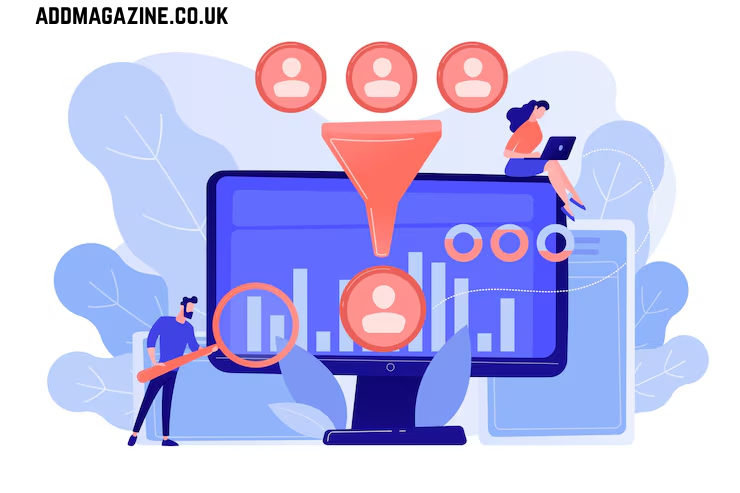
For businesses, this means pure visibility is no longer the goal; authenticity and consistency are. People don’t want to be interrupted by a disconnected ad campaign. They respond to branding that feels baked into their actual experiences. This reality explains why smart companies are abandoning the old marketing funnel and obsessing over community building, sharp visual identity, and lifestyle alignment.
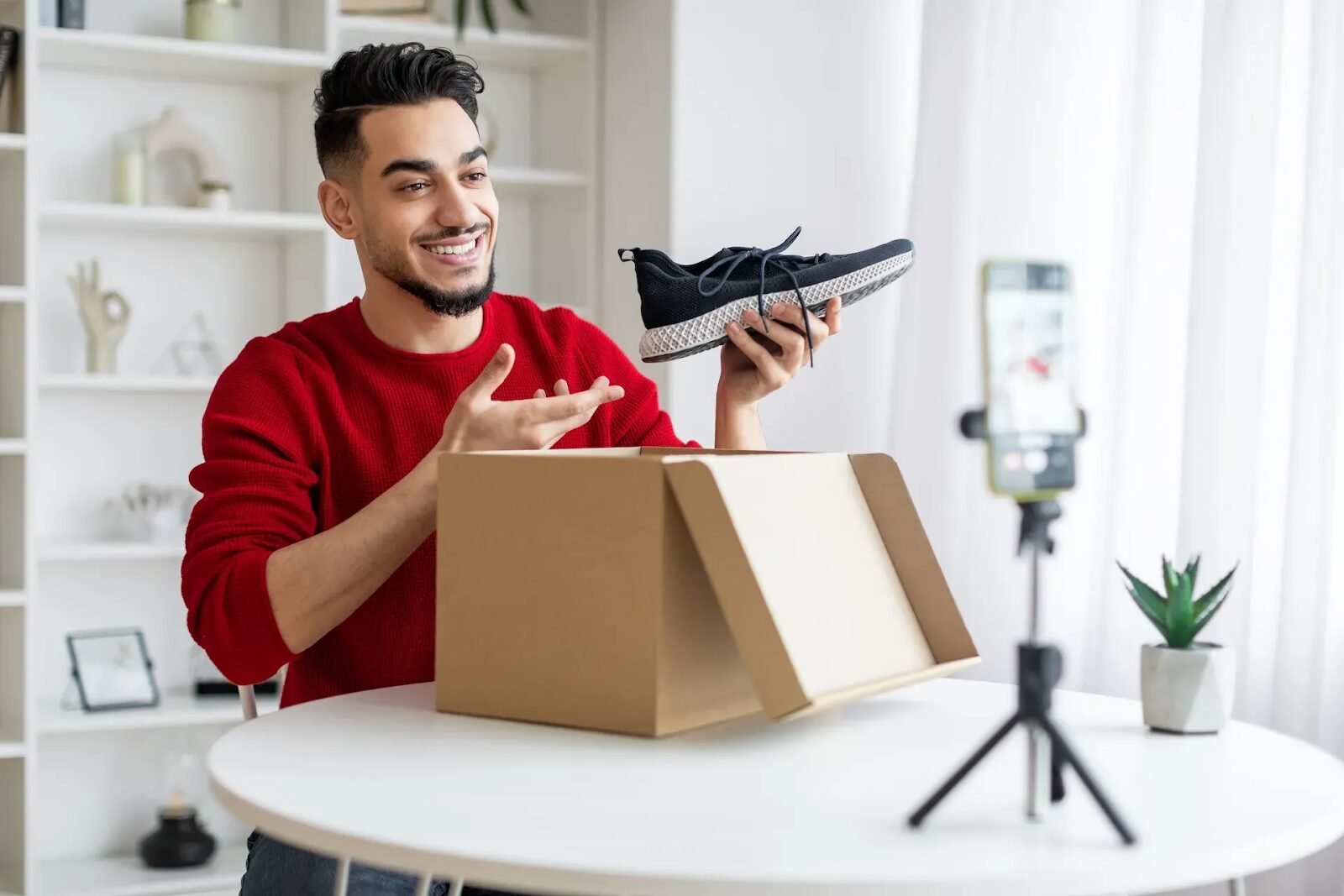
The rise of creator culture has completely accelerated this movement. Independent creators, influencers, and online subcultures build a level of raw audience trust that corporate advertising could never dream of achieving. Their content works because it feels human, relatable, and personal. When brands collaborate with these spaces, they don’t just buy ad space; they create physical products and tangible experiences designed to fit right into a consumer’s morning routine.
This points to a massive psychological shift in consumer behavior. People don’t just buy a product anymore; they buy into an aesthetic, an identity, and a community.
The fashion and lifestyle sectors have known this for a century, but now the rest of the business world is waking up. Tech startups, educational institutions, hospitality groups, and B2B services are realizing that customers crave branding that feels practical, visually cohesive, and culturally plugged-in.
Social media platforms have locked this behavior into place because they are entirely driven by visuals. People don’t just live their lives; they curate them. Everyday physical objects are constantly appearing in the background of digital content, acting as silent extensions of personal style.
For independent businesses and startups, this is the ultimate equalizer. A small company can never outspend a multinational corporation on digital ad networks, but they can easily beat them when it comes to hyper-localized community engagement and killer design.
Look at the creative industries. Designers, musicians, photographers, and independent media houses are building massive, loyal cult followings purely around a recognizable aesthetic. Their fans aren’t just consuming the core content; they are buying into the entire visual culture that surrounds the brand.
This makes real-world events and pop-up spaces incredibly valuable. Independent markets, creative festivals, gallery openings, and university fairs have become crucial hubs where branding becomes a physical, tactile experience. When a business shows up to these spaces, its presentation has to be flawless.
The reality of hybrid and remote work has supercharged this trend. Professionals are no longer hidden away in corporate office cubicles.
At the same time, consumers have grown incredibly cynical about low-quality corporate waste. They don’t want novelty trinkets. They want functional items that pair utility with beautiful design. Brands have adjusted by focusing on premium, reusable products that are built for continuous, visible use.
Thankfully, manufacturing tech has caught up to support this demand. Massive upgrades in digital printing, short-run manufacturing, and flexible e-commerce logistics mean that independent brands can create gorgeous, custom physical products in small batches without getting hammered by the massive upfront setup costs that used to protect corporate monopolies.
This democratization of branding tools has completely leveled the playing field. A tiny startup can now roll out a visual identity that looks just as polished, cohesive, and premium as an international conglomerate, without needing a massive marketing department or a multi-million-pound budget.
There is also a deep cultural drive behind this shift. Modern consumers, especially younger demographics, place a massive premium on individuality and self-expression. They hate corporate messaging that feels clinical and detached. They gravitate toward custom, adaptable branding because it allows them to integrate those items into their personal style, rather than feeling like a corporate billboard.
This is the definition of lifestyle-driven consumption. Buying decisions are dictated by aesthetics, usability, and social identity just as much as price or convenience.
A consumer is infinitely more likely to remember a brand they encountered at a local community event, a creative pop-up, or a shared workspace than a generic company they scrolled past on an online banner ad.
For modern marketers, the lesson is clear: visibility isn’t about interrupting someone’s day anymore. It is about integration. The companies that stick in the human brain are the ones that naturally embed their identity into culture, real-world behavior, and the physical environments where people actually live and interact every single day.