Managing citations has quietly shifted from a tedious manual chore into something a machine can handle with surprising precision. Researchers juggle hundreds of references, formatting rules that change from journal to journal, and the constant background worry of whether a citation points to what it should. WisPaper is reshaping how this part of academic work gets done. The question isn’t whether automation will enter citation management. It already has.
The Weight of Manual Citation Tracking
Think of a researcher finishing a manuscript late at night, scrolling through a reference list of 80 entries, checking that every author name is spelled right, every page number matches, every DOI resolves. It’s the kind of work that feels like proofreading a phone book. One misplaced comma in an APA reference can get a paper bounced from a journal before anyone reads the abstract. The mental load isn’t just the hours. It’s the low-grade worry that something slipped through.
Demand for Automated Citation Accuracy
The push for automated citation tools comes from every direction. Graduate students producing bibliographies across courses that each demand a different style guide. Postdocs submitting to journals that reject manuscripts over formatting errors before they reach peer review. Labs where reference libraries need to sync across multiple researchers working on the same project. These people want a system that doesn’t just store references but actively verifies them.
Challenges in Academic Citation and Referencing
Citation errors cascade in ways that quietly undermine credibility. A mistyped author name propagates across papers that cite the same source. An incorrect year sends readers hunting for a publication that doesn’t exist in that form. Then there’s the format problem. APA, MLA, Chicago, Vancouver — each with distinct rules about punctuation, italics, author ordering, and DOI placement. Even dedicated reference management software sometimes pulls incomplete metadata, leaving gaps a researcher has to fill by hand.
Streamlining Citation and Reference Management
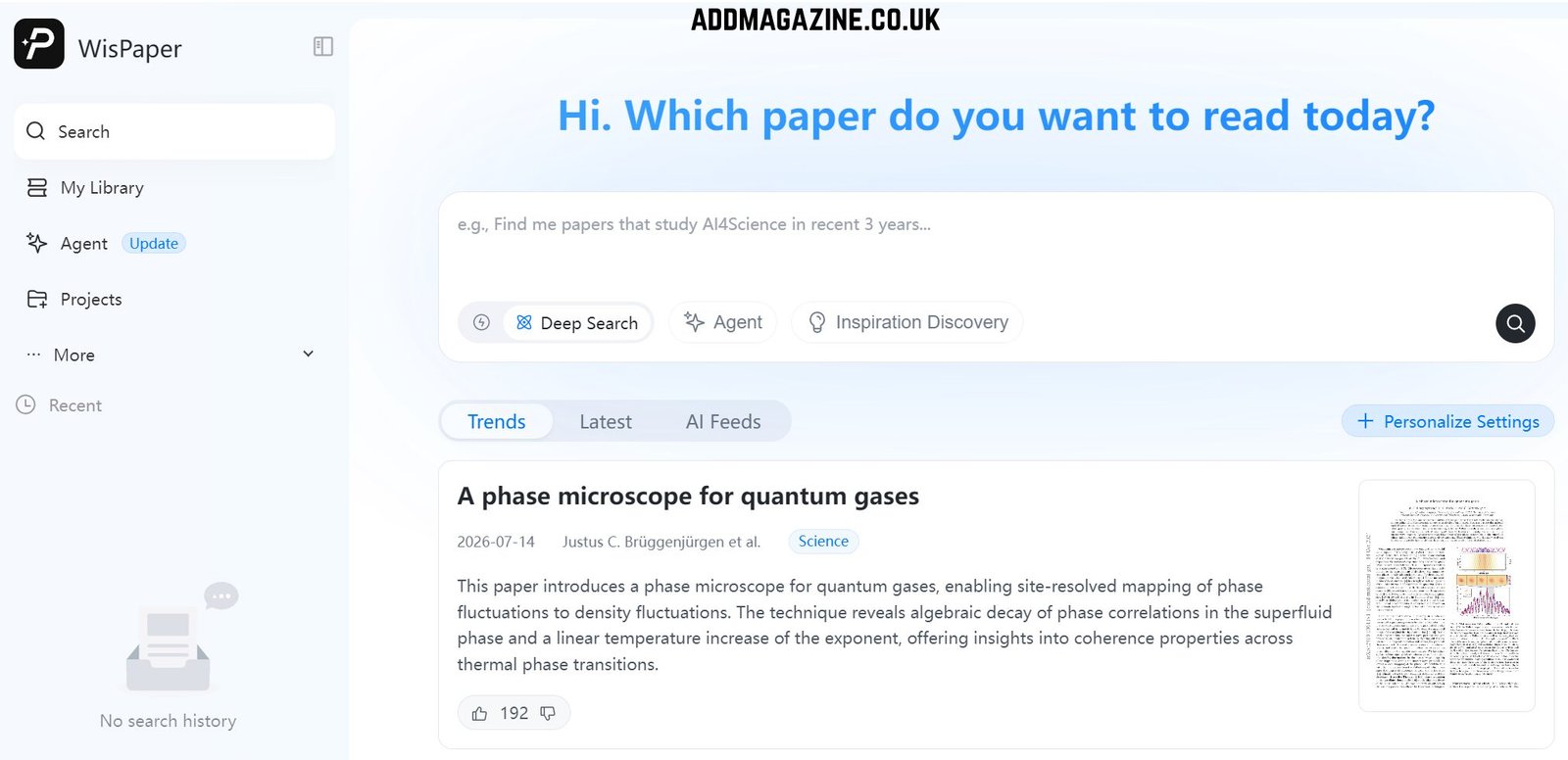
WisPaper’s approach pulls together several capabilities that address different parts of the problem. TrueCite handles automatic citation search and format verification, checking references against APA, MLA, and other style guides so a bibliography doesn’t ship with errors a reviewer will catch. My Library provides cloud-synced literature management with automatic metadata extraction, meaning every paper added to a collection arrives with its citation data already structured. Scholar QA connects claims in a draft back to source locations through a chain-of-evidence panel, letting a researcher confirm that what they’re citing actually says what they think it says. The platform indexes over 360 million academic documents across 32 disciplines, with half a million new documents added to its index daily. WisPaper operates on a zero-hallucination commitment where every citation is traceable to real, published academic metadata.
Error-Free, Standards-Compliant Citations
What changes when citation formatting becomes automatic is that researchers stop seeing reference lists as a final hurdle and start treating them as a living part of the writing process. A draft can grow and reorganize without every added source triggering another round of manual formatting. When a reviewer questions a citation, the chain of evidence makes the answer a click away rather than a memory test.
Better citation tools don’t make research faster in the dramatic sense. They remove a quiet, persistent friction that most researchers have simply accepted as part of the job. That might not sound like much until you’re the one who no longer has to do it.