Have you ever asked yourself what really matters when choosing machinery for work on land and water?
Buying farm and marine equipment is an important step, and the best results usually come from focusing on features that match your daily needs, working style, and long-term plans. The right machine can make routine tasks feel more organized, comfortable, and efficient.
Farm and marine machinery support a wide range of activities, from field preparation and material handling to transport across lakes, rivers, and coastal areas. Instead of focusing only on size or appearance, it is more useful to understand how a machine fits into your routine and environment.
A thoughtful purchase starts with clarity about usage. It also helps to consider build quality, maintenance needs, fuel use, comfort, safety, and long-term value.
Start With The Work You Need To Do
The first step is to understand your daily tasks. A machine that matches your work requirements can make each day feel smoother and more structured.
Before comparing models, think about where the machine will be used, how often it will run, and what kind of output you expect. Some equipment supports fieldwork, lifting, towing, or hauling, while others are better suited for water-based transport or boating tasks.
A simple list of your regular activities can make the selection process easier.
Match Machinery To Daily Use
Before making a decision, consider:
- The size of your land or water route
- The type of materials or loads handled
- Weekly usage hours
- The operating environment
- Desired comfort during long work sessions
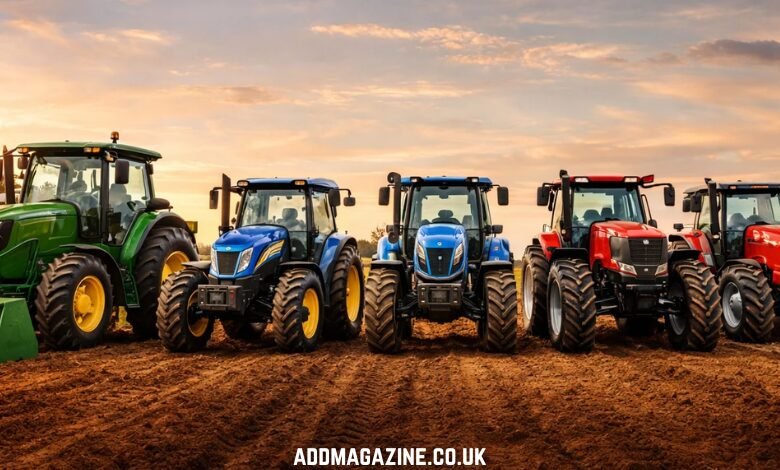
If your work involves open land or heavy-duty field tasks, your machine should be suited to those conditions. For example, equipment like a John Deere Tractor is often chosen for its ability to handle structured agricultural work efficiently across varied terrain.
If your work involves water routes or transport by boat, your focus should shift toward smooth handling and steady performance in marine environments.
Consider Seasonal Use
Some machinery is used year-round, while other equipment is more active during specific seasons. Understanding this helps shape both your budget and feature priorities.
A machine that supports your busiest periods effectively can offer better long-term value. It is also useful to consider storage, weather protection, and how easily the equipment can be prepared after a period of inactivity.
Look At Size, Capacity, And Practical Fit
Once your needs are clear, the next step is choosing the right size and capacity. A larger machine is not always the best choice. In many cases, a well-matched size leads to better efficiency and easier handling.
Practical fit is important. On land, this includes storage areas, pathways, and turning space. On water, it includes docking space and compatibility with your setup.
Why The Right Size Matters
A properly sized machine can support:
- Easier movement
- Better control
- More efficient storage
- Comfortable operation
- Improved fuel use
Capacity Should Match Real Workloads
Capacity may refer to lifting ability, towing power, hauling strength, or passenger support. The best option usually matches your typical workload while allowing for consistent daily use.
Build Quality And Reliability Matter Over Time
After selecting size and capacity, it is important to focus on build quality. Machinery used in active environments benefits from strong construction and dependable components.
A well-built machine often shows quality in its frame, controls, and overall design. It should feel stable and reliable during regular use.
Features That Support Long-Term Value
Key indicators of quality include:
- Strong frame construction
- Comfortable and responsive controls
- Durable exterior finish
- Easy access for maintenance
- Clear and simple operator layout
Simple Reliability Checks
Before choosing a machine, review service intervals, access points, and overall design. Equipment that is easy to inspect and maintain often becomes more convenient over time.
Comfort And Ease Of Operation Should Not Be Overlooked
While performance is important, comfort also plays a key role. Long hours of operation become easier when the machine is designed with the operator in mind.
Features such as supportive seating, clear visibility, and smooth controls can improve the daily work experience.
Focus On The Operator Experience
Check for:
- Seat comfort
- Adequate leg space
- Clear visibility
- Well-placed controls
- Smooth handling
- Easy start and stop functions
Fuel Use And Running Costs Add Everyday Value
The purchase price is only one part of the investment. Ongoing costs such as fuel use and maintenance also shape the overall experience.
Think Beyond The Purchase Price
Compare:
- Fuel efficiency during regular use
- Service schedules
- Filter and lubrication needs
- Ease of maintenance access
- Expected lifespan
Safety Features Support Confident Use
Safety should always be part of the decision. A machine with stable handling and clear controls helps create a confident working environment.
Look For Useful Safety Elements
Helpful features include:
- Clear displays
- Easy shut-off access
- Stable movement
- Good lighting
- Secure grip areas
- Protective covers
Service Support And Parts Availability Keep Ownership Simple
Reliable service support makes machinery easier to manage. When parts are easy to find and maintenance is straightforward, ownership becomes more convenient.
Why Support Matters
Good support can help with:
- Timely maintenance
- Organized servicing
- Seasonal preparation
- Long-term reliability
Resale Value And Long-Term Planning
A well-chosen machine can continue to offer value in the future. Equipment that is properly maintained and widely used often retains its value more effectively.
Think About The Future From The Start
To support long-term value:
- Choose equipment suited to common needs
- Maintain service records
- Store equipment properly
- Follow regular maintenance routines
- Keep machinery clean
Marine Equipment Considerations
When working with marine machinery, smooth performance and reliability on the water are key priorities. Equipment should be easy to operate and maintain in changing conditions.
Options like Honda Outboard Motors are often explored for their steady performance and suitability for regular boating or transport needs, especially where consistent operation is important.
Final Thoughts
Investing in farm and marine machinery becomes much easier when you focus on what truly matters in daily use. The best choice comes from balancing work requirements, size, comfort, fuel use, build quality, safety, service support, and long-term value.
A clear and practical approach helps ensure that your equipment supports your work smoothly and remains a reliable part of your routine over time.