The Cannes Croisette promenade is deceptively simple. At the height of August, getting a gleaming white hull in the water seems no harder than a couple of clicks: pick the prettiest picture, transfer the deposit, collect the keys. In reality, half of these stories end not with a sunset off the Lérins Islands, but with disputes over fuel, scratches, and tacked-on charges. The reason is almost always the same: a decision made in haste, without checking the paperwork.
Choosing a Vessel and Vetting the Operator: Where Money Is Lost Before You Even Cast Off
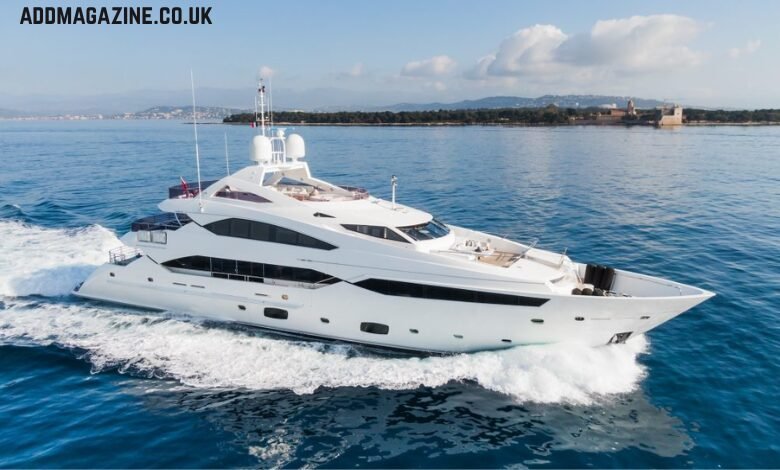
The most expensive mistake happens on shore, when a tourist looks at a render instead of real photos and grabs the first result from a search. What’s marketed as “the latest 2026 model” is often a boat with a worn-out engine, and a discount frequently masks the absence of insurance. When browsing options to privately charter a yacht in Cannes, you should insist on a current deck video, fresh photos of the engine room, and a copy of the vessel’s registration certificate.
Before wiring any advance payment, it’s worth cross-referencing the operator against a broker registry and reading independent reviews on French forums. The reputation of companies like Yacht Charter French Riviera and other market players shows in the details: response speed, whether a contract in French is available, and willingness to show you the boat at the marina before any money changes hands.
Before booking, it makes sense to run through a short checklist. It takes half an hour but eliminates most of the conflicts that typically surface on boarding day:
- Vessel registration certificate and a current CE certificate
- Insurance policy covering crew and third parties
- Record of the most recent engine and generator inspection
- Contract in both French and English with a clear breakdown of the deposit
- Skipper’s license matching the appropriate category for the vessel’s length
If the operator refuses to provide even one document from this list — or cites “commercial confidentiality” — that’s an almost guaranteed red flag. A legitimate company sends scans within a business day, and the captain is happy to jump on a video call from the boat.
The Contract, Deposit, and Hidden Fees
French maritime law protects the client — but only when the contract is properly signed. Standard MYBA forms run to dozens of clauses, and each one affects the final bill. Charterers regularly lose between €800 and €5,000 on fuel alone: the client assumes the tank is full, then receives the boat half-empty and pays for the top-up at marina prices, which are significantly higher than retail.
The second trap involves the wording around “normal wear and tear.” Without photo and video documentation at handover, any scratch on the hull, scuff on a fender, or stain on the upholstery becomes grounds for withholding part of the deposit. High-resolution footage with a timestamp saves more money than any hull insurance policy.
To avoid turning a day at sea into a legal correspondence, it pays to understand the invoice structure in advance. Painful surprises hide inside it — from berthing fees at a neighboring port to a markup on drinking water:
- APA. An advance provisioning allowance of 25–35% of the charter fee, from which fuel, catering, and port dues are deducted.
- VAT. 20% within French territorial waters; the rate drops once you cross the 12-mile limit.
- Delivery & Redelivery. Delivering the vessel from outside Cannes or returning it to a different port is billed separately.
- Gratuity. A crew tip of 10–15% of the charter fee — formally optional, practically expected.
Every line is worth running through a calculator and comparing against market benchmarks from two or three brokers. A 15-20% gap between quotes for equivalent yachts in Cannes is not unusual, and it’s usually explained by hidden commissions rather than any difference in service quality.
Route, Weather, and Crew: Planning Mistakes
The French Riviera looks compact on a map. The crossing from Cannes to Saint-Tropez takes around two hours in calm conditions and burns a noticeable chunk of the tank. Tourists routinely plan a “quick run” to Monaco, Antibes, and the Lérins Islands all in one day — and end up returning after dark: the berth at Port Hercule is already closed, the diesel is nearly gone.
Weather on the western Mediterranean changes fast. The Mistral can whip up two-meter swells within hours, and the Météo-France forecast is worth checking not the evening before but the morning of departure. When exploring boat rental options on the French Riviera, it’s wise to build in a buffer day: rescheduling due to wind is usually free, but heading out in a storm puts both the deposit and your passengers at risk.
A realistic day itinerary is built around distances, not social media imagery. Here are approximate transit times for a 15–18 meter motor yacht at cruising speed in moderate conditions:
- Cannes to Lérins Islands: 25–40 minutes each way
- Cannes to Antibes: around 45 minutes along the Cap d’Antibes headland
- Cannes to Monaco: 2 hours 15 minutes, allowing for maneuvering
- Cannes to Saint-Tropez: 2 to 3 hours depending on sea state
Add anchor time, lunch, and a swim stop, and it becomes clear: fitting more than two meaningful destinations into a single day rarely works. A relaxed route with one extended stop is always more enjoyable than racing through a checklist.
Crew and Returning the Vessel
The relationship with the captain deserves its own conversation. On board, his word on safety matters is final — arguing with a decision to cut the trip short gets you nowhere. Far more productive is a conversation the day before departure: preferred cuisine, music, swimming plans, any allergies. A good crew adapts when they know the details in advance.
On return, the people who protect their deposit are those who approach handover with the same care as the initial inspection. A few straightforward steps head off most disputes before they turn into an invoice:
- Film video of all decks and the interior on approach to the berth
- Cross-check fuel and water levels against the readings at collection
- Sign the handover certificate with any observations noted
These habits matter most for those who plan to charter regularly in Cannes: a clean track record with a broker translates into personal discounts and priority access when booking peak dates.
The sea has no patience for haste or sloppy paperwork. A private yacht in Cannes can deliver one of the best days of the year — or drain several thousand euros over budget. The difference comes down to a couple of hours of preparation and a healthy skepticism toward offers that look too good to be true. Check the documents, record the vessel’s condition, confirm the route, and listen to the captain. The Riviera will handle the rest.