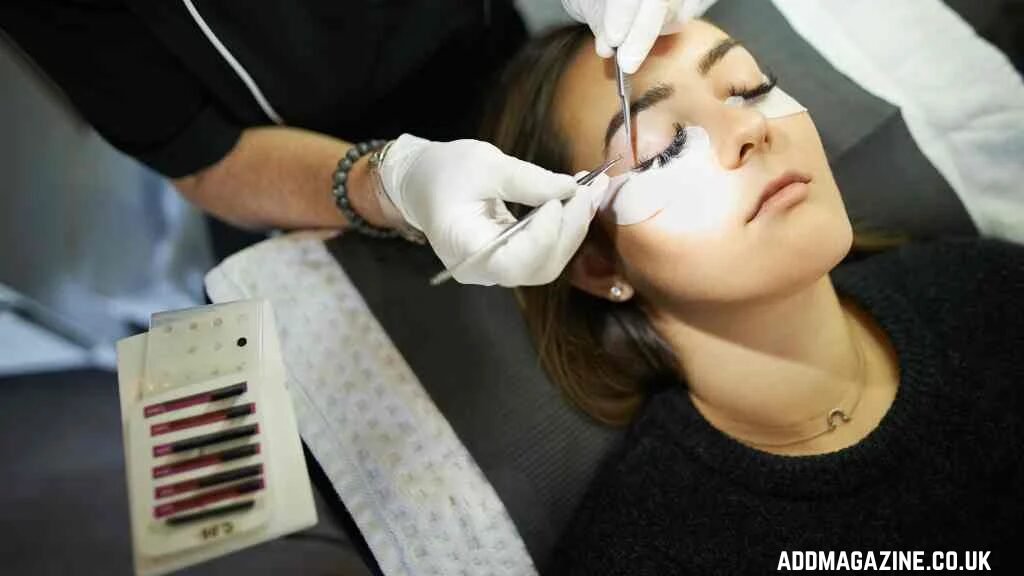
Beautiful lashes can transform a person’s appearance, but creating them safely and professionally takes more than a steady hand. If you have ever considered turning your interest in beauty into a practical skill, an eyelash extension course could be the right place to begin.
The beauty industry continues to provide opportunities for people who want practical, client-focused careers. According to Jobs and Skills Australia, Australia has around 28,900 employed beauty therapists, with beauty therapy remaining an important part of the broader personal services sector.
For aspiring lash artists, formal training can provide the foundation needed to work confidently, understand professional procedures and deliver consistent results. But what should you actually expect when learning lash extensions?
1. Understand What Lash Extensions Involve
Before enrolling, it is important to understand that eyelash extensions are a detailed beauty treatment rather than simply attaching artificial lashes to natural ones.
The process involves applying individual extensions or fans to natural eyelashes using specialised tools and professional adhesive. A lash artist needs to consider the client’s natural lashes, desired appearance, eye shape, lash density and overall condition before deciding on an appropriate style.
This is one of the reasons structured training is valuable.
A good eyelash extension course should teach you the principles behind the treatment rather than simply showing you how to create a particular look.
You should learn about:
- Natural lash structure
- Different extension types
- Lash lengths and thicknesses
- Curl types
- Isolation techniques
- Adhesive use
- Application procedures
- Lash mapping
- Client consultation
- Hygiene and sanitation
- Safe removal
- Aftercare advice
Understanding these fundamentals allows you to adapt your technique to different clients instead of relying on a single application method.
2. Learn How to Assess Natural Lashes
One of the most important skills for a lash artist is learning when a client’s natural lashes are suitable for extensions.
Not every client has the same lash density, strength or length. Some may have naturally thick lashes, while others may have fine or sparse lashes. Previous extensions, incorrect removal or excessive weight can also affect the condition of natural lashes.
Professional training should teach you how to assess these differences before beginning treatment.
For example, a heavier extension may not be appropriate for a particularly fine natural lash. Similarly, selecting an excessive length can place unnecessary stress on the natural lash.
A trained lash artist therefore needs to balance the client’s desired appearance with what can realistically and safely be achieved.
This is where technical knowledge becomes just as important as creativity.
3. Master Isolation and Application
Isolation is one of the fundamental techniques you will practise during an eyelash extension course.
The goal is to isolate an individual natural lash before applying an extension. This requires concentration, precision and good hand control.
Poor isolation can result in multiple natural lashes becoming stuck together. This can affect comfort and interfere with the normal growth cycle of the natural lashes.
For beginners, isolation can initially feel challenging because the work involves extremely small sections of the lash line.
Training gives you the opportunity to practise the technique repeatedly and develop better control of your tweezers.
Over time, you can become more comfortable working with both hands and positioning your tools accurately around the eye area.
The goal isn’t simply to work quickly. Accuracy and consistency should come first.
4. Explore Different Lash Styles
Clients rarely want exactly the same result.
Some may prefer a subtle enhancement that looks relatively natural, while others may want a more dramatic appearance. Understanding different lash styles allows you to provide recommendations based on the client’s features and preferences.
Depending on your training, you may explore techniques such as:
- Classic lashes
- Hybrid lashes
- Volume lashes
- Different curl patterns
- Different lengths and thicknesses
- Various lash maps
Lash mapping is particularly useful because it helps you plan the overall shape of the set before you begin.
A good lash artist learns to consider factors such as eye shape and natural lash distribution rather than applying the same pattern to every client.
This can make your results look more balanced and personalised.
5. Learn the Importance of Hygiene
Beauty treatments require a strong commitment to hygiene.
Because eyelash extensions are applied close to the eyes, cleanliness and appropriate sanitation practices should be treated as essential parts of professional training.
An eyelash extension course should introduce you to appropriate hygiene procedures, including preparation of your workspace, cleaning tools and equipment, hand hygiene and maintaining a clean treatment environment.
You should also learn how to organise your work area so that products and tools can be accessed efficiently without compromising cleanliness.
These practices aren’t simply about creating a professional impression. They form an important part of protecting both you and your clients.
Developing good hygiene habits during training means they can become part of your normal workflow once you begin working with paying clients.
6. Develop Your Client Consultation Skills
Technical ability is only one part of being a successful lash artist.
Communication matters too.
Before performing a treatment, you need to understand what the client wants and determine whether their expectations are realistic.
A professional consultation may involve discussing:
- The client’s preferred look
- Previous lash extension experience
- Natural lash condition
- Desired length and fullness
- Suitable lash styles
- Maintenance expectations
- Aftercare
For example, a client may show you a photograph of an extremely dramatic lash set without realising that their natural lashes cannot support an identical result.
Your role is to explain what can reasonably be achieved and recommend an appropriate alternative.
This combination of technical knowledge and communication can help create a much better client experience.
7. Practise Before Working Independently
Nobody becomes an expert lash artist after one lesson.
Like many practical beauty skills, lash extensions require repetition.
During an eyelash extension course, practice allows you to become familiar with your tools, improve hand positioning and develop better application speed and precision.
If you are learning online, you may initially practise on mannequins or other suitable training materials before progressing to live models, depending on the provider’s requirements.
Additional practice can help you identify areas where you need improvement.
You may notice, for example, that your isolation needs more work or that you are taking too long to complete certain sections.
Rather than viewing these difficulties negatively, use them as opportunities to refine your technique.
For additional visual learning, this YouTube beginner eyelash extension training video demonstrates elements of the lash application process and provides an example of how training can be approached.
8. Learn Proper Lash Aftercare
Your relationship with a client shouldn’t end when the appointment finishes.
Aftercare advice is another important skill for lash artists.
Clients should understand how to look after their extensions and maintain their appearance between appointments. Depending on the products and techniques used, this may include guidance about keeping lashes clean, avoiding unnecessary pulling or rubbing and following the recommended maintenance routine.
Good aftercare education can also help clients understand why regular maintenance appointments may be necessary.
As a lash artist, providing clear instructions demonstrates professionalism and helps clients get more value from their treatment.
It also gives you another opportunity to build trust.
9. Understand Removal as Well as Application
Learning how to apply extensions is only part of professional lash education.
You also need to understand appropriate removal procedures.
Extensions should not simply be pulled from the natural lashes. Incorrect removal can cause unnecessary damage and discomfort.
A structured eyelash extension course should therefore cover appropriate removal techniques and explain why patience and the correct products and tools matter.
Understanding removal is particularly useful when working with returning clients who may already have extensions from another technician.
You should be able to assess the existing set and determine the appropriate next step rather than automatically applying another layer of extensions.
10. Build Professional Confidence
Confidence is one of the biggest benefits of structured training.
When you understand why you are performing each step, you are less likely to rely on guesswork.
An eyelash extension course can give beginners a structured pathway for developing their knowledge, from basic terminology and equipment through to application, consultation and aftercare.
Confidence doesn’t mean rushing through appointments or assuming you know everything.
Instead, professional confidence comes from understanding your technique, recognising your limitations and knowing when a particular treatment may not be appropriate.
That mindset can help you provide a more consistent experience for clients.
11. Choose Training That Matches Your Goals
Not every learner has the same career objective.
You might want to add lash extensions to an existing beauty business, work from a salon, provide mobile services or eventually build your own client base.
Your training choice should reflect what you want to achieve.
When comparing courses, consider factors such as:
- Course content
- Practical training
- Learning format
- Assessment requirements
- Support from trainers
- Certification
- Equipment requirements
- Business guidance
- Ongoing learning opportunities
It is also worth checking exactly what is included before enrolling.
A course that looks inexpensive at first may not include important learning resources or practical components that you expected.
Look beyond the price and consider the overall value of the training.
12. Turn Your Skills Into a Beauty Service
Once you have developed your technical skills, there are several ways you could potentially use them.
Some lash artists work within established salons, while others build independent businesses.
You could eventually offer services such as classic, hybrid or volume lash applications, depending on your training and level of competence.
Building a business also requires skills outside lash application.
You may need to learn about:
- Appointment management
- Customer service
- Pricing
- Marketing
- Social media
- Photography
- Client retention
- Business administration
This is particularly important if your long-term goal is self-employment.
Your lash skills create the foundation, but your business practices can influence how effectively you turn those skills into a sustainable service.
13. Keep Developing Your Technique
Completing training shouldn’t be viewed as the end of your learning journey.
The beauty industry continues to evolve, and lash techniques, products and client preferences can change.
Experienced lash artists can continue developing their skills by attending additional training, practising new techniques, studying different lash maps and keeping up with professional information.
You can also learn by reviewing your own work.
Take photographs of completed sets, assess your results and identify areas where you could improve.
Perhaps your lash placement could be more consistent. Maybe your sets take longer than expected. Or perhaps you need to improve your styling recommendations.
14. Make Safety Part of Your Professional Identity
The best lash artists don’t focus solely on how dramatic or attractive a set looks.
They also consider the client’s comfort and the condition of their natural lashes.
This is why safety should remain part of every stage of the service.
From consultation and lash selection through to application and removal, you should develop the habit of asking whether your chosen technique is appropriate for the individual client.
Professionalism means knowing that not every request should automatically be accepted.
Sometimes the best recommendation may be a lighter style, shorter length or different approach.
That kind of judgement develops through education and experience.
15. Take the First Step Towards Lash Training
If you have been thinking about entering the beauty industry, learning lash extensions can be an exciting way to develop a specialised skill.
A well-structured eyelash extension course can help you understand the technical foundations of the treatment while giving you a framework for developing confidence and professional habits.
For those looking for a dedicated training option, you can explore the Australian Beauty School’s eyelash extension course to learn more about its Certificate in Eyelash Extensions.
The important thing is to approach training with the right expectations. Becoming a skilled lash artist takes patience, practice and attention to detail.
You don’t need to be perfect on your first day.
You need to be willing to learn, practise and improve.
Final Thoughts
Eyelash extensions combine creativity, precision and client care, making them an appealing skill for people interested in the beauty industry. From lash isolation and styling to hygiene, consultation and aftercare, there is much more to professional lash application than simply attaching extensions.
The right training can give you a stronger foundation and help you approach your first clients with greater knowledge and confidence.
Whether your goal is to add another service to an existing beauty career or eventually establish your own lash business, developing proper skills should come before speed.
So, are you ready to turn your interest in beautiful lashes into a professional skill?