For property owners, facility managers, and businesses, one of the biggest ongoing expenses is maintenance. While many focus on initial installation costs, long-term upkeep often has a greater financial impact. This is especially true for storage systems, where material quality and design directly influence durability and repair frequency.
The Hidden Cost of Frequent Repairs
Many traditional storage solutions require regular inspections, cleaning, and repairs. Over time, these costs add up due to:
- Corrosion and rust in metal structures
- Cracks or leakage in concrete systems
- Deformation or wear in low-quality plastic units
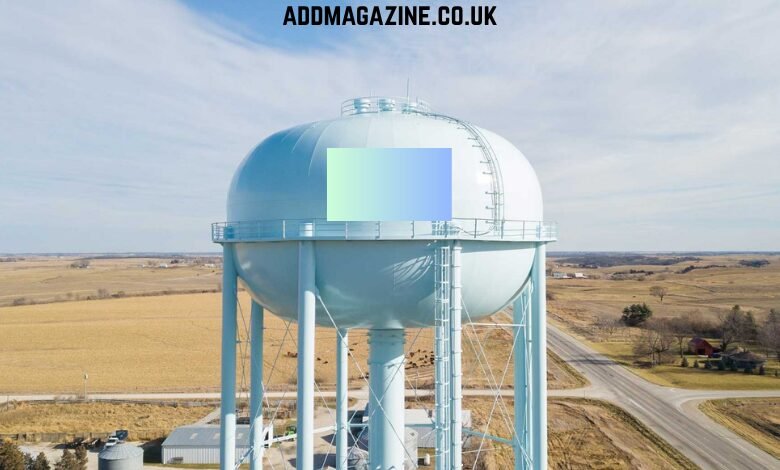
A typical water tank built with conventional materials may seem affordable at first, but recurring maintenance can significantly increase overall expenses.
Why Maintenance Matters in Long-Term Planning
Maintenance is not just about fixing problems—it’s about ensuring consistent performance and avoiding unexpected failures. Poorly maintained systems can lead to supply disruptions, contamination, and even structural damage, all of which can affect daily operations or business continuity.
This is why modern projects now prioritize solutions that minimize maintenance requirements from the start.
Advanced Materials for Low Maintenance
Innovative materials have transformed how storage systems are designed and maintained. A GRP tank, made from glass-reinforced plastic, is specifically engineered to reduce common maintenance issues associated with older systems.
These systems offer several maintenance-related advantages:
- Non-corrosive material, eliminating the risk of rust
- Smooth internal surfaces, reducing buildup and simplifying cleaning
- High resistance to environmental stress, including heat and humidity
- Durable construction, minimizing the need for repairs or replacements
As a result, they require significantly less attention compared to traditional options.
Cost Savings Over Time
While modern systems may involve a slightly higher initial investment, they provide substantial savings in the long run. Reduced maintenance means:
- Lower labor costs for inspections and repairs
- Fewer replacement parts and materials
- Minimal downtime or operational disruption
- Longer service life with consistent performance
For businesses, this translates into predictable expenses and improved operational efficiency.
Ideal for High-Demand Environments
Low-maintenance solutions are particularly valuable in environments where continuous operation is critical. These include:
- Commercial buildings with high daily usage
- Industrial facilities with constant demand
- Residential complexes serving large populations
- Remote locations where maintenance access is limited
In such cases, reliability and reduced upkeep are essential for smooth functioning.
Enhancing Operational Efficiency
By minimizing maintenance needs, modern storage systems allow facility managers to focus on other priorities. This improves overall efficiency and reduces the burden on maintenance teams.
Additionally, fewer repairs mean lower risk of unexpected failures, contributing to a more stable and secure system.
Smart Investment for the Future
Choosing a storage solution should not be based solely on upfront cost. Considering long-term performance and maintenance requirements leads to better financial decisions.
Investing in advanced technology ensures:
- Reduced lifetime costs
- Improved reliability and safety
- Better return on investment
Conclusion
Maintenance is a critical factor that often goes overlooked when selecting storage systems. Traditional options may seem cost-effective initially, but ongoing repairs can become a significant burden.
Modern solutions, built with advanced materials and smart design, offer a practical way to reduce maintenance costs while improving performance. By making informed choices, businesses and property owners can achieve long-term savings and dependable operation.