Every time you connect to the internet, your device shares information that allows websites and online services to communicate with you. Among the most visible pieces of information is your Internet Protocol (IP) address, which identifies the network your request comes from. While an IP address is essential for online communication, it can also reveal your approximate location, internet service provider, and browsing patterns.
As more aspects of daily life move online, people have become increasingly aware of digital privacy. Whether you’re reading the news, shopping online, working remotely, or simply browsing your favorite websites, companies often collect data about your online behavior. Although much of this data collection serves legitimate purposes, many users prefer to reduce unnecessary exposure and maintain greater control over their digital footprint.
One tool that has become increasingly popular for privacy-conscious users is an ISP proxy. Providers such as Proxy-Cheap offer ISP proxy services that organizations and individuals can use for legitimate networking and privacy-related purposes. When selecting any provider, it’s important to understand how the technology works and to use it responsibly while complying with applicable laws and website terms.
Why Online Privacy Matters More Than Ever
The internet has made everyday life remarkably convenient, but it has also increased the amount of personal information generated through routine online activities. Search engines, online retailers, streaming platforms, social media websites, and countless other services collect information to improve their products, personalize recommendations, and enhance user experiences.
In addition to commercial data collection, websites routinely log technical information such as browser type, operating system, approximate geographic location, and IP address.
Public Wi-Fi networks present another concern. Airports, coffee shops, hotels, and libraries provide convenient internet access, but they may expose users to additional security risks if proper precautions are not taken.
Maintaining online privacy doesn’t mean hiding from the internet altogether. Instead, it means making informed choices about what information is shared and using tools that help reduce unnecessary exposure.
What Is an ISP Proxy?
An ISP proxy is a type of proxy server that combines characteristics of both datacenter infrastructure and residential IP addresses. Unlike traditional datacenter proxies that use IP addresses owned by hosting providers, ISP proxies typically use static IP addresses allocated through internet service providers while being hosted on high-performance server infrastructure.
This combination offers an appealing balance between speed, stability, and consistency. Because the IP address remains static, users can maintain the same online identity over longer sessions without frequent IP changes.
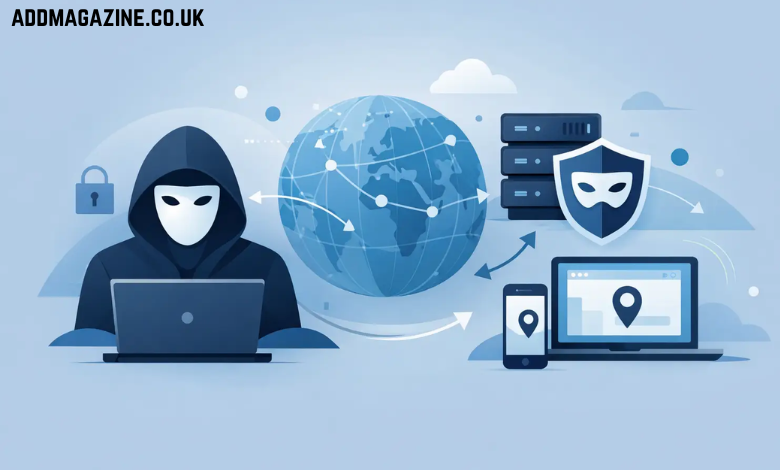
For beginners, it’s helpful to think of an ISP proxy as an intermediary between your device and the websites you visit. Instead of connecting directly to a website, your request first passes through the proxy server, which forwards it using its own IP address before returning the response to you.
How ISP Proxies Work Behind the Scenes
When you browse the web without a proxy, your browser sends requests directly to the destination website. The website receives your request, processes it, and sends the requested information back to your device.
An ISP proxy adds an additional step to this communication process. Your browser first connects to the proxy server. The proxy then forwards your request to the website using its assigned IP address. Once the website responds, the proxy relays the information back to your browser.
Although this happens in fractions of a second, the website interacts primarily with the proxy instead of your personal internet connection.
Because many ISP proxies use static IP addresses, users often experience greater consistency during longer browsing sessions. This can be useful for applications where maintaining the same IP address is beneficial, such as accessing work resources or managing long-running online sessions.
It’s important to understand that using a proxy changes the visible IP address seen by websites, but it does not automatically make someone completely anonymous online. Browsers, cookies, account logins, device settings, and other identifiers can still contribute to online tracking.
ISP Proxies Compared with Other Proxy Types
Different proxy technologies are designed for different purposes.
| Feature | ISP Proxy | Datacenter Proxy | Residential Proxy | Mobile Proxy |
| Speed | High | Very High | Moderate | Variable |
| IP Type | Static ISP-issued | Datacenter-owned | Residential | Mobile carrier |
| Stability | Excellent | Excellent | Good | Good |
| Cost | Moderate | Usually lower | Higher | Often highest |
| Best For | Everyday browsing, consistent sessions | High-volume automation | Location-sensitive browsing | Mobile network testing |
| Session Consistency | Excellent | Excellent | Varies | Often rotating |
Each type offers unique strengths.
ISP Proxy vs. VPN: What’s the Difference?
A VPN encrypts internet traffic between your device and the VPN server, providing protection across your entire device. This encryption is particularly valuable when using unsecured public Wi-Fi networks because it helps prevent others on the same network from intercepting your traffic.
An ISP proxy primarily changes the IP address presented to websites. Depending on how it is configured, it may work with specific browsers or applications instead of protecting all device traffic.
| Feature | ISP Proxy | VPN |
| Changes Visible IP | Yes | Yes |
| Encrypts All Device Traffic | Usually No | Yes |
| Device-Wide Protection | Usually No | Yes |
| Application-Specific Use | Yes | Sometimes |
| Performance | Generally Fast | Depends on encryption overhead |
| Common Purpose | IP privacy and routing | Privacy and secure communication |
For many users, these technologies are complementary rather than competing solutions.
Everyday Situations Where ISP Proxies Can Be Useful
Many everyday users benefit from them in legitimate ways. A remote employee may wish to keep personal browsing separate from work-related activities. Using different browsing environments can help organize online tasks while reducing unnecessary overlap between accounts. In these cases, proxies can help facilitate access while supporting responsible research practices.
Common Misconceptions About Online Anonymity
Many people overestimate what privacy tools can accomplish.
One common misconception is that using a proxy makes someone completely anonymous. In reality, websites use many methods beyond IP addresses to identify returning visitors, including cookies, browser fingerprints, account logins, and device characteristics.
Quality varies significantly between providers, making it important to choose reputable services with transparent policies.
Some users also believe that free proxy services offer the same reliability as paid alternatives.
Choosing a Reliable ISP Proxy Provider
Reliable infrastructure contributes directly to browsing performance and overall user experience.
Consider the following when evaluating a provider:
- Network reliability, server uptime, and geographic coverage.
- Clear documentation, transparent policies, and strong security practices.
Best Practices for Staying Private Online
Using strong, unique passwords for every account reduces the impact of credential theft. Keeping browsers, operating systems, and applications updated helps protect against known vulnerabilities that attackers may exploit. These habits often provide greater long-term privacy benefits than relying on any single technology.
Understanding the Limitations of ISP Proxies
Although ISP proxies offer valuable privacy benefits, they are not complete security solutions.
They generally do not encrypt all internet traffic like a VPN, meaning sensitive communications may still benefit from encrypted connections. They cannot prevent phishing attacks, malware infections, or unsafe browsing behavior.
ISP proxies also do not eliminate all forms of online tracking. Browser fingerprinting, cookies, logged-in accounts, and advertising technologies can continue identifying users across sessions.
Viewing proxies as one component of a broader privacy strategy leads to more realistic expectations and better overall security.
The Future of Online Privacy Tools
Growing awareness of digital privacy continues to shape new technologies and online services.
Browser developers are introducing stronger privacy protections by default, while websites increasingly provide users with greater control over cookies and data collection.
Proxy technologies continue evolving alongside these developments, offering improved performance, wider geographic availability, and better integration with modern applications. As privacy regulations expand around the world, users are likely to gain even more transparency regarding how their information is collected and processed.
Rather than replacing other privacy measures, ISP proxies will likely remain one useful tool within a broader ecosystem of technologies designed to help users browse the internet with greater confidence.
Conclusion
Online privacy has become an important consideration for everyday internet users, not just cybersecurity professionals. While complete anonymity on the internet is difficult to achieve, practical tools can help reduce unnecessary exposure and provide greater control over how you interact with online services.
ISP proxies offer a balance of speed, stability, and consistent IP addresses, making them a practical option for users who want to limit direct exposure of their home IP address during everyday browsing. When combined with secure browsing habits, updated software, strong authentication practices, and an understanding of their limitations, they can form part of a thoughtful approach to online privacy.
The most effective privacy strategy is rarely based on a single technology. Instead, it comes from combining reliable tools with informed decisions that help protect your information while allowing you to enjoy the convenience and opportunities the internet offers.
Frequently Asked Questions
What is an ISP proxy?
An ISP proxy is a proxy server that uses a static IP address associated with an internet service provider while operating on high-performance server infrastructure.
Does an ISP proxy make me anonymous?
No. It helps conceal your home IP address from websites, but other tracking methods such as cookies, browser fingerprinting, and account logins can still identify users.
How is an ISP proxy different from a VPN?
A VPN typically encrypts all internet traffic from your device, while an ISP proxy mainly changes the IP address used for specific applications or browsing sessions.
Are ISP proxies suitable for everyday browsing?
Yes. Many users choose them to reduce exposure of their personal IP address, maintain consistent browsing sessions, and support legitimate privacy needs.
Can ISP proxies improve online security?
They can contribute to privacy by masking your home IP address, but they should be used alongside other security practices such as software updates, strong passwords, multi-factor authentication, and cautious browsing habits.