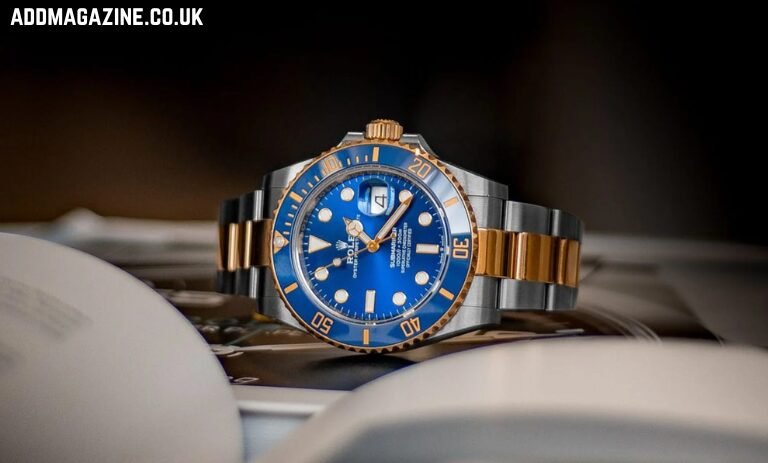
The appeal of swiss watches comes from the way engineering, design and long-established craft meet in a wearable object. Buyers comparing swiss made watches at Dream Watch can begin with the intended use, then narrow the selection by movement, proportions, functions and condition.
What the Swiss Made Indication Communicates
Swiss Made is a regulated indication connected with defined origin and manufacturing requirements. It is useful evidence about production, but it does not mean that every qualifying watch has the same movement, finishing, price or purpose.
The label should therefore begin the evaluation rather than end it. A buyer still needs to understand the specific brand, reference, construction and history of the individual example being considered.
Mechanical, Automatic and Quartz Movements
A hand-wound mechanical watch requires regular winding and creates a direct routine between the owner and the movement. An automatic calibre uses wrist motion to wind while worn, although it may stop after a period of inactivity and need to be reset.
Quartz watches usually offer simple operation and strong everyday accuracy. The most appropriate movement depends on wearing habits, interest in traditional mechanics and willingness to manage setting or service requirements.
Case Proportions Matter More Than Diameter Alone
Diameter is only one part of fit. Lug-to-lug length, thickness, crown shape, bracelet articulation and total weight influence how the watch sits on the wrist and whether it works with a shirt cuff or an active routine.
compare full case dimensions, not a single number;
consider the weight of the selected metal and bracelet;
check clasp adjustment and available removable links;
review dial legibility in the lighting where it will be used.
Functions That Match the Intended Use
A date display, chronograph, second time zone or power-reserve indicator can be useful, but every function adds visual and technical complexity. Buyers should choose complications that support a real need instead of treating a longer feature list as automatically better.
Water-resistance information also needs context. Seals age and cases are opened during service, so a used watch should not be exposed to water solely because of its original rating; current testing and professional guidance matter.
Condition, Service and the Included Set
For a pre-owned model, inspect the case, dial, hands, crystal, crown, bracelet and clasp. Ask about accuracy, service history, polishing and replaced components, because each can affect operation, appearance and collector interest.
Boxes and papers can add useful context, yet they do not replace a technical assessment. Confirm exactly what is included and whether serial or reference information is consistent with the watch being offered.
Building a Shortlist with Purpose
Start by deciding whether the watch is for business wear, travel, sport, regular daily use or a collection. Set a realistic range for dimensions, materials, movement and budget, then compare only models that satisfy those priorities.
This method turns a large catalogue into a manageable decision. It also makes it easier to ask Dream Watch for precise information about a reference rather than relying on reputation or photographs alone.