When shopping in a hemp shop recently you may have noticed more THCA flower becoming available in stock. THCA flower is a type of cannabis which can look, taste and burn like traditional cannabis but is sold within the hemp industry. Understanding what THCA is will help you make smart choices when shopping, comparing products and ensure you aren’t being ripped off. Here we look at everything you need to know.
What is THCA?
THCA is a naturally occurring acidic cannabinoid. It is the raw form of Delta-9 THC. Most of the THC potential in fresh or properly cured flower will be in its acidic form.
THCA itself isn’t intoxicating. However, when the flower is burnt/vaped/baked, the flower goes through a process called decarboxylation, removing a carboxyl group from the THCA molecule to make it Delta-9 THC. This means that in lab reports you may see a low level of Delta-9 THC but once burnt it will still act similarly to traditional cannabis.
Why Has THCA Flower Become So Popular?
Over recent years the hemp industry was only regulated using Delta-9 THC. This meant growers would create plants with high levels of THCA but low levels of Delta-9 THC (under 0.3%) to stay within regulations. This meant they created flower that would look and act like dispensary flower.
However, now Congress have moved over to total THC regulation which will include THCA. This new regulation will come into force in late 2026. Some states already ban the sale of THCA. The regulations vary between each state but are quickly changing so it is important to always check what is allowed in your state. Reputable retailers will only sell to adults aged 21+.
How to Read a THCA Flower Lab Report
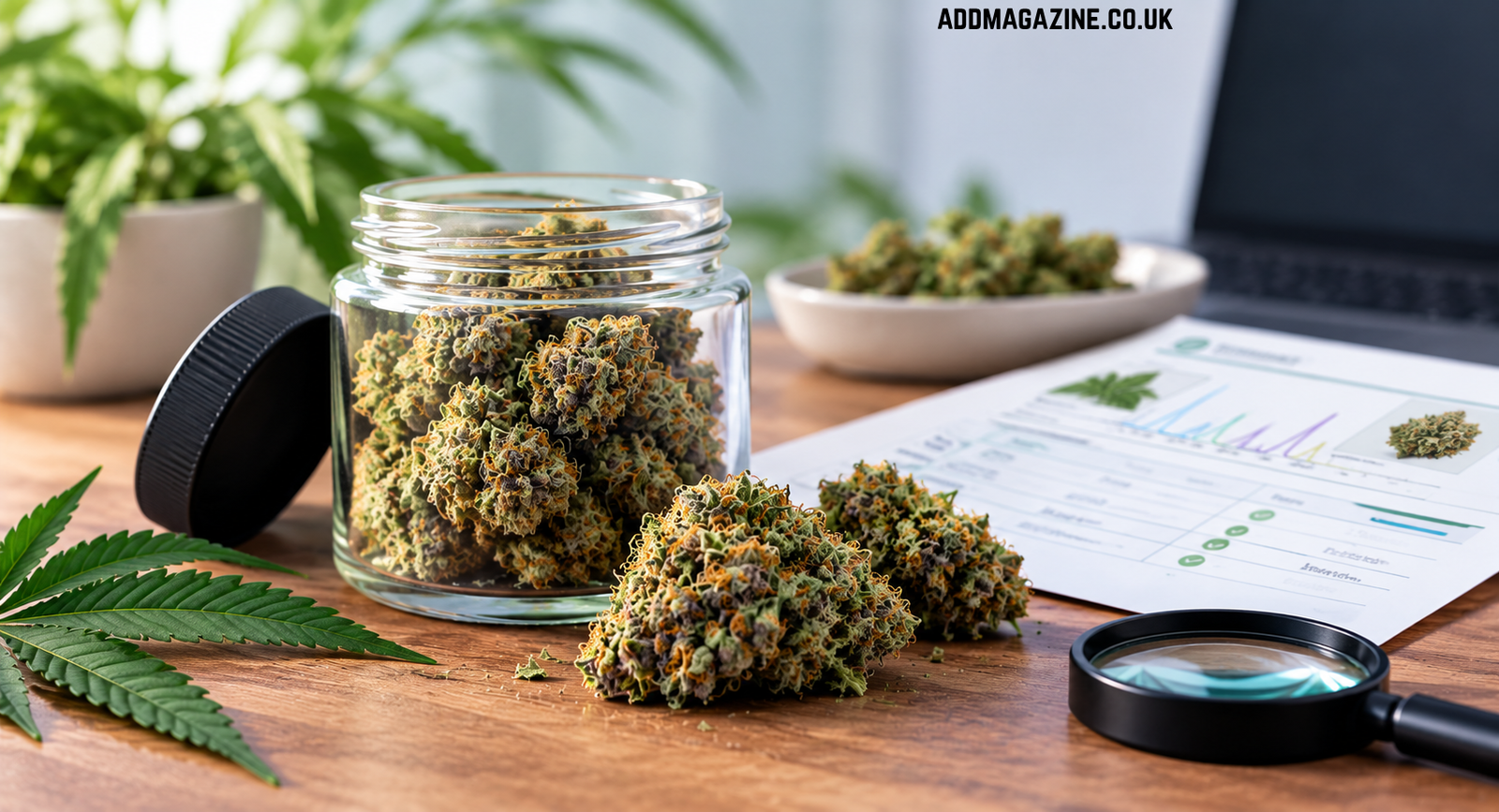
The best thing to look for is an independent certified lab certificate of analysis. Here is what to look out for:
- THCA percentage – This will show how high in acidic cannabinoids the flower is. High quality indoor flower can often be 20-30%.
- Delta-9 THC – This will often be a low number.
- Total THC – This is usually worked out by taking the Delta-9 THC percentage and adding it to the THCA percentage x 0.877. This will show you roughly how much THC is present in the flower once heated. This is what the regulators are now focussing on.
- Terpenes – Myrcene, limonene, caryophyllene, pinene and linalool will all affect the aroma and flavour. Often a high terpene level will indicate a high quality flower.
- Pesticides, heavy metals, solvent residues, mould and microbial results should show as having passed.
- Batch Number – You want to make sure the batch number and date matches what you are purchasing. If the lab report is over 2 years old and doesn’t match your harvest then it won’t tell you much.
If the retailer cannot provide a certificate of analysis or the link takes you to an unclear picture or no lab name this is a red flag.
Indoor, Greenhouse and Outdoor: What Changes
Where the flower is grown will affect how it looks and tastes.
Indoor – Flower is grown using controlled lighting, humidities and temperatures. This will often mean high quality frosty and chunky buds. They can be the most expensive.
Greenhouse – Using natural light but with some control over the environment. This is often a good middle ground for good value.
Outdoor – Using natural conditions. Buds can be less chunky and less resinous but can be a great value if high quality. Great for those who buy in larger amounts.
Signs of Quality You Can Check Yourself
Whilst lab reports can give you an idea, it is worth checking the flower when received.
Trichomes – High quality flower will look shiny. Once viewed under a magnifying glass the heads of trichomes should look intact.
Smell – The flower should smell strong and distinct when opened. If there is a hay or earthy smell then it may not have dried properly.
Moisture – Buds should be slightly squishy. The stem should snap rather than bend. If it is completely dry it will burn harsh and if it is too moist it could go mouldy.
Trim – Carefully trimmed flower will have nice shaped buds with little leaf.
Burn & Ash – If the flower burns evenly and leaves light grey ash it will often be properly cured.
Choosing a Strain Type
THCA flower is available using the strain names we are used to. They are also split into Sativa, Indica and Hybrid. This is just a general indicator. Terpenes and your own body chemistry will play a large part in how any cultivar makes you feel.
A good way to get started is to pick a strain based on the flavour profile. Check the terpene breakdown and note how different batches affect you. Over time you will learn what flavours you prefer.
Storage Tips to Protect Potency
THCA can slowly convert to THC and break down into CBN when exposed to heat, light and air.
- To keep your flower fresh:
- Keep in a sealed glass jar.
- Store somewhere cool and dark, away from windows and appliances.
- Use humidity packs to keep the flower at 58-62%.
Don’t store in the fridge or freezer as it will cause condensation and brittle trichomes.
Responsible Use
As heating THCA will produce Delta-9 THC you should take the same precautions as with traditional cannabis. Start with a small amount and allow time to see how you feel. Never drive. Heating THCA will likely show positive on a standard drug test. Cannabis can interact with some medications so if you have any questions please speak to a health care professional. Keep all products out of reach of children and pets.
Final Thoughts
THCA flowers can be a great product to purchase if you know what to look for. A clean certificate of analysis, clear terpene breakdown, honest growing methods and proper storage are all key. If you want to understand more about the science behind it then this overview on tetrahydrocannabinolic acid will give you a good starting point.