Why the Biomedical Applications of Electrospinning Matter More Than Ever
Sometimes science is quiet. It does not always make a noise. Sometimes it talks to us in a voice. Through fibres that are so thin that we cannot see them without special tools.
This is what electrospinning does. It makes nanofibres. Fine threads. That is used to heal wounds, give people medicine and even help fix damaged tissue inside the human body. The biomedical applications of electrospinning are growing fast. Researchers around the world are just starting to understand how useful it can be.
So what is electrospinning? Why should we care about it? Let us explain it in terms.
What Is Electrospinning?
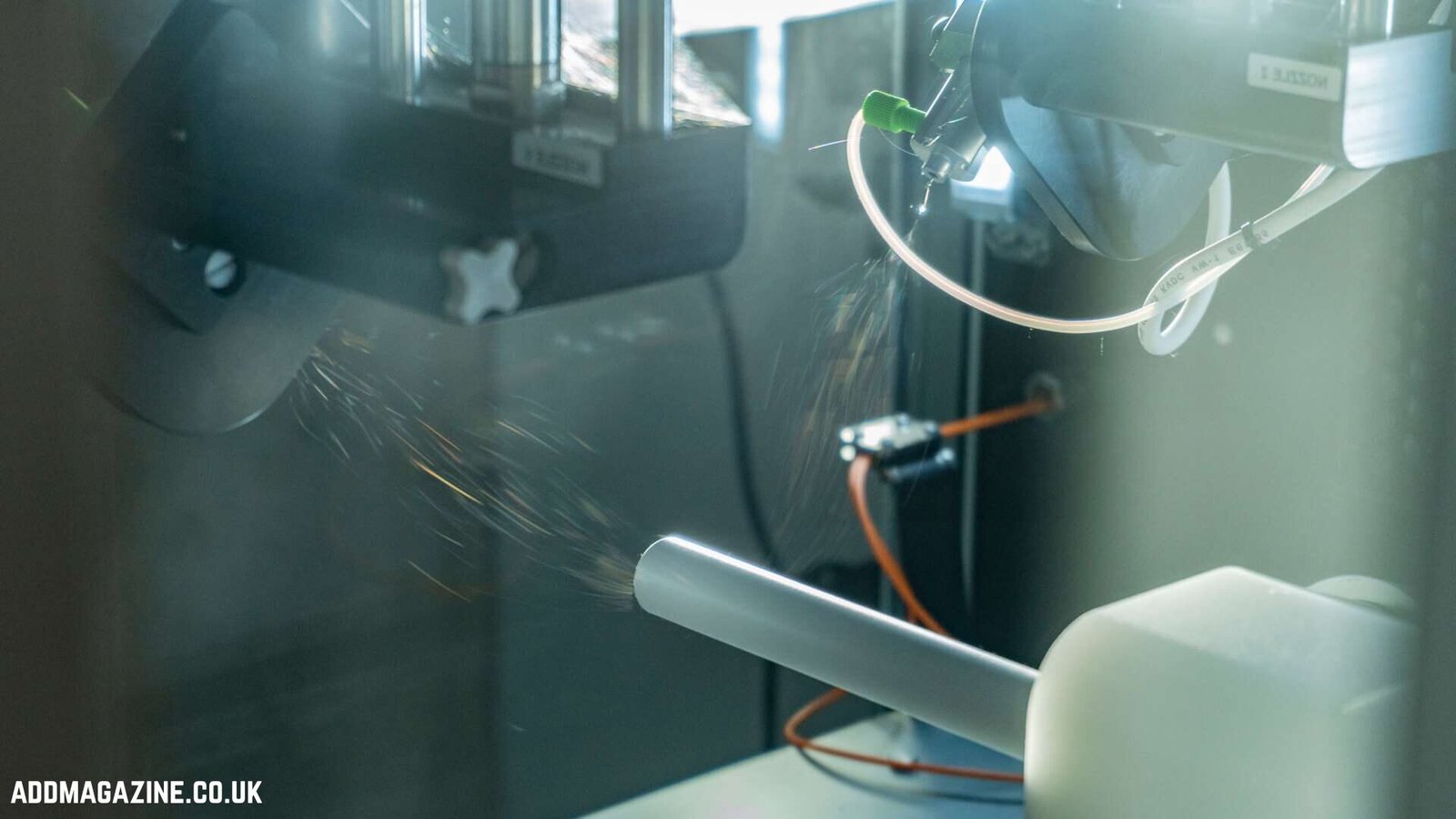
Electrospinning is a process that uses electricity to make a liquid into ultra-thin fibres. These fibres are much thinner than a hair. When we collect them they look like a mat. A fine mesh.
This might sound complicated. It is not that hard to understand. Imagine you have a piece of gum. You stretch it until it becomes a thread. Now imagine doing that with a liquid and using electricity to make it happen. That is basically how electrospinning works.
The result is a material that’s very porous, flexible and similar to the tissue in our bodies.
Why Is Electrospinning So Useful in Biomedicine?
Our body’s cells like to grow on helpers that look like natural tissue. Electrospun nanofibres do that. They give cells a surface to hold on to spread out and build on.
That is why scientists are very interested in this technology. It is not just chemistry. It is actually very useful in a clinical sense.
Let us look at the areas where electrospinning is making a big difference.
Wound Healing and Skin Repair
One of the exciting uses of electrospun materials is in wound care. Traditional bandages are okay but electrospun dressings do something they actually help the healing process.
These dressings can have antibiotics, anti-inflammatory agents or special helpers that make the wound heal faster. As the dressing sits on the wound it slowly releases these substances where they are needed. This reduces the risk of infection. Helps the wound heal faster.
Also electrospun wound dressings let moisture pass through which keeps the wound environment perfect for healing. They even look like the skin’s structure, which helps cells regenerate naturally.
Studies have shown promising results with chronic wounds. The kind that do not heal on their own like diabetic ulcers. For patients with these conditions electrospun dressings could really change their lives.
Drug Delivery Systems
Drug delivery is another area where electrospinning is proving to be very useful. Getting medicine to the place in the body. At the right time in the right amount. Has always been a challenge.
Electrospun fibres can be made to carry drugs and release them in a controlled way. This is sometimes called a ” release” system. Of giving the body a lot of medicine all at once the fibres release it slowly over hours, days or even weeks.
This approach has advantages. It reduces side effects, makes it easier for patients to take their medicine and keeps a level of the drug in the blood.
Researchers have used electrospun systems to deliver all kinds of medicine. From cancer drugs to antibiotics to hormones. In some cancer treatments electrospun patches can be placed directly on the tumour site after surgery targeting cancer cells without the effects of traditional chemotherapy.
Tissue Engineering and Scaffolds
Maybe the ambitious application of electrospinning is tissue engineering. The science of growing replacement tissues in the lab.
When the body needs to fix or replace tissue it needs a special helper to build on. Electrospun nanofibres provide that. Because their structure is similar to the body’s tissue cells respond well to them.
Scientists have used electrospun helpers to engineer bone, cartilage, blood vessels, nerves and even heart tissue. While most of this work is still in the research phase some applications are already being used in clinics.
For example electrospun helpers. Tiny tube-like structures that look like blood vessels. Have shown real potential for patients who need coronary bypass surgery. Traditional helpers often come from the patient’s body, which means an extra surgical site. Electrospun alternatives could change that.
Nerve Regeneration
Nerve damage is very hard to treat. Unlike tissues, nerves do not fix themselves easily. That is where electrospun nerve helpers come in.
These are tube-shaped structures that guide growing nerve fibres across a gap in damaged tissue. The aligned fibres inside the helper act like a highway. Directing nerve cells in the direction.
Early research has been encouraging. Animal studies have shown that electrospun helpers can support nerve regeneration across gaps. Human trials are still in the stages but the outlook is genuinely promising.
Filtration and Antimicrobial Applications
Beyond tissue contact electrospun membranes are also being explored as filtration tools in biomedical settings. They can filter out bacteria, viruses and other pathogens from air or liquid. Which’s incredibly useful in surgical masks, wound coverings and laboratory equipment.
Also by adding particles like silver to electrospun fibres researchers have developed materials that actively kill bacteria on contact. This has implications for preventing hospital-acquired infections.
Challenges Still to Overcome
It is worth being honest. Electrospinning is not without its limitations. Making it on a scale is tricky. It is easy to make small amounts in a lab but manufacturing it commercially is more complex.
There are also questions about approval, long-term safety and cost. For applications we are still at the proof-of-concept or early clinical trial stage.
That said, the field is moving quickly. Investment is. New techniques. Such as a special kind of electrospinning that creates fibres with a core and shell. Are opening up even more possibilities.
FAQs
Q: What are the main biomedical applications of electrospinning?
Ans: The main biomedical applications of electrospinning include wound dressings, drug delivery systems, tissue engineering helpers, nerve regeneration helpers and antimicrobial filtration membranes. Each of these areas benefits from the structure and versatility of electrospun nanofibres.
Q: Is electrospinning safe for use in the body?
Ans: Most materials used in electrospinning are chosen because they are safe for the body. They do not cause harmful reactions. However safety depends heavily on the material used. How the fibres are made. Rigorous testing and regulatory approval are required before any electrospun product can be used clinically.
Q: How is electrospinning different from textile manufacturing?
Ans: Traditional textiles are made from thicker fibres using mechanical spinning. Electrospinning by contrast uses high-voltage electricity to draw fibres down to the nanoscale. The resulting materials have a higher surface area and finer porosity, which makes them especially suited to biomedical applications.
Q: Can electrospun fibres be used in cancer treatment?
Ans: Yes. This is one of the most exciting areas of current research. Electrospun fibres can be loaded with chemotherapy drugs. Placed directly at a tumour site after surgery. This allows drug release while minimising the side effects associated with traditional treatment. Clinical trials are ongoing and early results are encouraging.
Final Thoughts: The Future of Biomedical Applications of Electrospinning
It is rare that a single technology affects many areas of medicine at once. The biomedical applications of electrospinning do exactly that. Wound healing, drug delivery, tissue engineering, nerve repair and infection control all stand to benefit.
We are not at the point where electrospun products are in every hospital. However the direction is clear. As manufacturing improves and clinical evidence builds these tiny fibres are likely to play a bigger role in modern medicine.
For patients that is good news. For scientists the possibilities are still wide open.