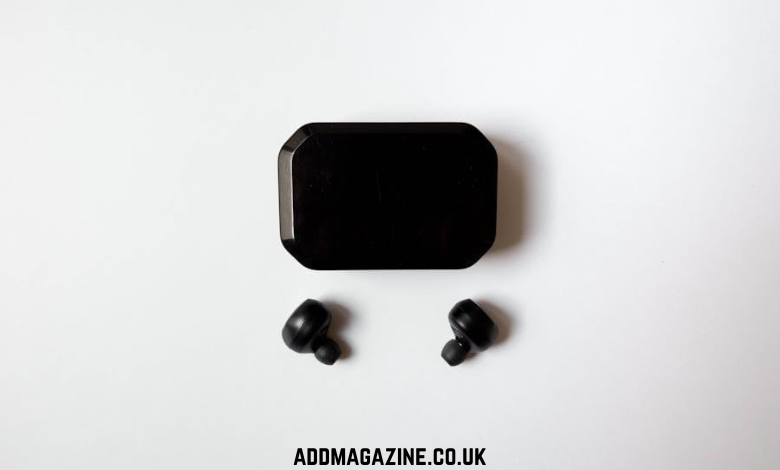
In an era where convenience and portability reign supreme, technology has gifted us with innovations that enhance our daily lives. Among these advancements, wireless earbuds have emerged as a significant milestone, providing users with unparalleled freedom. Renowned audio brands, for instance, have developed models like the JBL wireless earbuds, which have set benchmarks in terms of sound quality and comfort.
The Birth of Wireless Elegance
Wireless earbuds began as a response to the growing demand for mobility without compromising on audio quality. With the removal of cumbersome wires, users were granted more flexibility, making these devices particularly popular among those leading an active lifestyle. The integration of Bluetooth technology was pivotal, serving as the backbone for seamless connectivity with various devices.
Key Features and Technologies
Wireless earbuds today are more than just audio devices. They embody a blend of cutting-edge technology and user-centric features designed to enhance the listening experience. Active Noise Cancellation (ANC), for instance, has become a standard expectation, allowing users to immerse themselves in sound by reducing external noise. Additionally, features such as touch controls, in-ear detection, and voice assistant integration have revolutionised how users interact with these compact devices.
Battery life is another crucial aspect. As users demand longer playback times, many earbuds now come with compact charging cases that offer multiple charges on the go. Fast charging technologies continue to improve, allowing users to quickly recharge and resume their activities with minimal downtime.
Market Dynamics and Consumer Preferences
The wireless earbud market is highly competitive, with numerous brands vying for consumer attention by offering diverse features and price points. Preferences differ based on individual needs; some users prioritise high-fidelity audio, while others might focus more on comfort or robust connectivity. Durability and design also play significant roles, especially as earbuds are used in various environments, from the gym to the office.
With numerous options available, consumers also tend to consider brand reputation and customer support. Well-established brands with a history of quality and reliability often enjoy a loyal customer base, driven by both technological innovation and consistency.
The Role of Wireless Earbuds in Fitness and Lifestyle
The fitness industry has embraced wireless earbuds as an essential tool for motivating and enhancing workouts. Many models are purposely designed with water and sweat resistance, catering specifically to athletes and fitness enthusiasts. Such features, along with secure and comfortable fittings, make them ideal for running, cycling, or gym sessions.
For lifestyle users, wireless earbuds represent a versatile accessory that complements both casual and professional attire. Their unobtrusive design and ease of use make them a practical choice for multitasking, whether it’s listening to music while cooking, taking calls on the move, or engaging in virtual meetings.
Sound Quality and Audio Fidelity
Sound quality remains a critical factor when selecting wireless earbuds. Technological advancements have seen improvements in audio fidelity, offering richer bass, clearer mids, and more defined trebles. Codecs such as AAC, aptX, and LDAC have been instrumental in delivering high-resolution audio, ensuring that wireless earbuds can match, if not exceed, the performance of traditional wired counterparts.
The use of larger drivers in some models has also contributed to enhanced sound quality. These components allow for dynamic audio reproduction, ensuring that even the most discerning audiophiles are satisfied with their listening experience.
The Future of Wireless Earbuds
The future of wireless earbuds seems promising, with ongoing developments focusing on AI integration and augmented reality (AR) applications. AI can provide custom soundscapes tailored to individual hearing profiles, while AR might utilise earbuds for location-based audio cues, enhancing navigational experiences.
Additionally, sustainability is becoming increasingly important. Manufacturers are beginning to explore eco-friendly materials and recycling programmes to reduce environmental impact, aligning with global initiatives for a greener future.
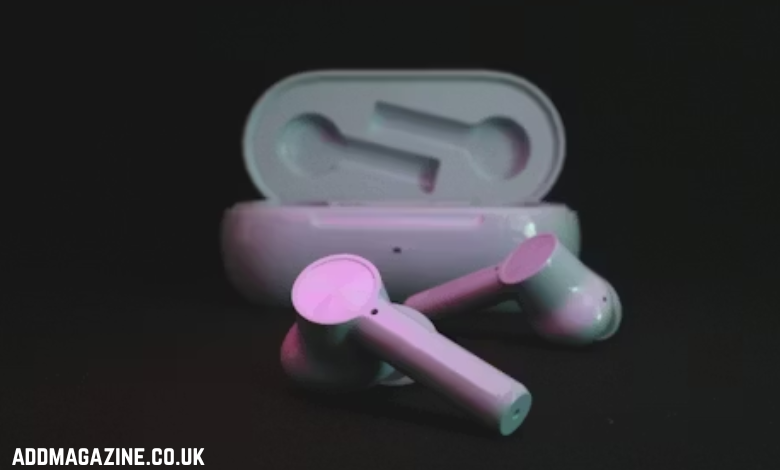
Wireless Earbuds and the Work Environment
As remote work continues to be prevalent, wireless earbuds have adapted to become a crucial tool in professional settings. Many offer impressive microphone technology, ensuring clarity during calls and virtual meetings. Some models provide dual connectivity, allowing users to seamlessly switch between devices like computers and phones without manual intervention.
Moreover, some wireless earbuds include features tailored for productivity, such as ambient sound modes, which allow users to stay aware of their surroundings, crucial when working in dynamic environments.
Connectivity and Compatibility
Wireless earbuds thrive on their connectivity capabilities. Bluetooth technology has evolved significantly, with the latest versions offering faster connection speeds, better range, and lower latency. This ensures smooth streaming of multimedia content and minimal delays during gaming or conferencing.
Moreover, compatibility is an essential consideration. Most wireless earbuds work excellently across various operating systems and devices, fostering an ecosystem that supports interoperability. Efforts to maintain compatibility with future devices will undoubtedly continue to shape the development of these audio accessories.
Challenges and Considerations
Despite their popularity, wireless earbuds also present challenges. Battery life, while improving, remains a concern, especially for users who rely heavily on them throughout the day. Earbud fit and comfort are subjective measures, with some users requiring multiple trials to find the perfect model.
Another consideration is the potential health implications of prolonged earbud usage. Ensuring that volume levels are kept within safe limits is necessary to prevent hearing damage. Manufacturers often address this by incorporating volume limiters and warnings within their software.
Cultural Impact and Trends
Wireless earbuds have transcended their functional purposes to become cultural icons. They represent a shift towards a more connected and on-the-go lifestyle, with their presence ubiquitous in public spaces. The trend of customisation, whether with swappable skins or programmable sound profiles, reflects a desire for personalisation in consumer tech.
Celebrity endorsements and collaborations with fashion brands have further elevated the status of wireless earbuds as not only tech gadgets but also style statements. As they continue to evolve, they will likely become even more embedded in the fabric of everyday life, influencing both fashion trends and consumer behaviour.
Through continuous innovation and adaptation, wireless earbuds have successfully cemented their role as indispensable tools in modern life, navigating the complex terrain of technological advancement and consumer expectation.