Summer weddings are wonderful. You’ve considered the dress code, Googled the venue, checked the forecast three times, and still feel underdressed in one scenario and wildly overdressed in another.
The venue is. A shimmer midi that looks stunning in a city hotel ballroom becomes impractical the moment you’re navigating a gravel path to a country house marquee.
What follows isn’t another trend round-up. It’s a practical framework for making the right call based on where you’re actually going — and what you’ll be comfortable wearing from the ceremony to the last dance.
Why the Venue Changes Every Summer Wedding Guest Dress Choice
Outdoor Garden and Country House Weddings
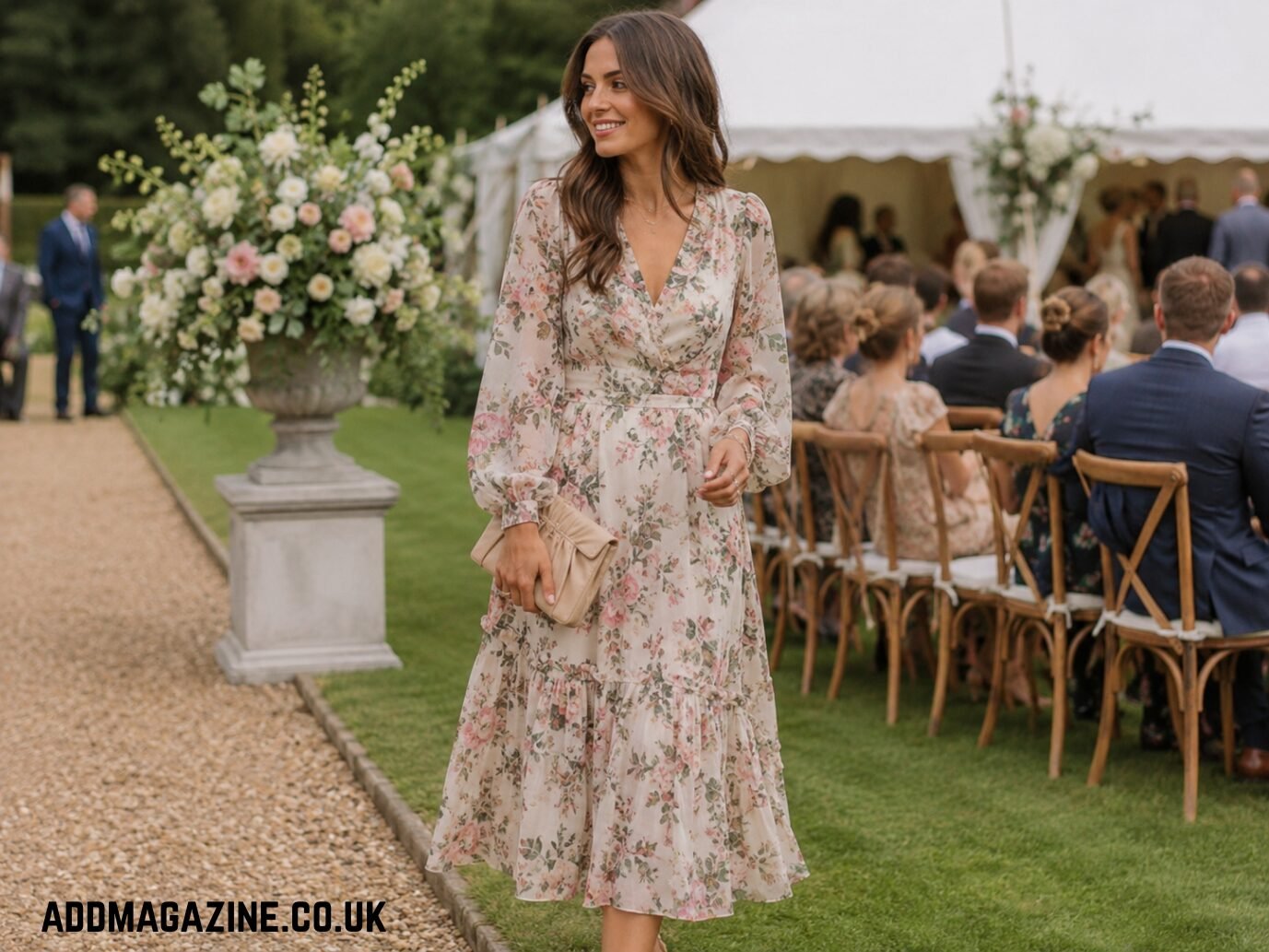
Country house and garden weddings are common in the UK summer calendar, and they come with specific challenges that fabric choices solve or create. The ground is often uneven. Temperature swings between a sunny afternoon and a cool evening can be dramatic. And the photographs — inevitably taken in dappled light against greenery — reward colour and movement over structure.
For outdoor settings, the strongest choices are chiffon, georgette, and lightweight cotton. All three move naturally, are easier to manage than heavily structured fabrics, and look intentional rather than trying-too-hard in relaxed environments. Midi and maxi lengths also come into their own here — beyond the obvious elegance, they sidestep the stilettos-in-grass problem entirely if you opt for kitten heels or block heels.
What to avoid: heavily structured fabrics like stiff satin or scuba knit. They hold their shape beautifully on a hanger but resist the kind of movement that makes outdoor dressing feel effortless — and they can be uncomfortably warm in direct sun.
City Hotel and Formal Ballroom Weddings
Formal venues reward a different approach. Here, structure is your ally. A well-cut midi in crepe, satin, or even a fluid jacquard reads appropriately polished and photographs well against architectural interiors.
The fabric question at formal venues is less about breathability and more about how the dress holds up across a long day — from a seated ceremony to a standing reception to a dancefloor that runs until midnight.
Colour is also more forgiving at indoor formal events. If you’ve been drawn to shimmery pastels — blush, sage, champagne or pale blue — a hotel ballroom is usually the setting where that finish makes the most sense. The light hits it correctly. Outside, it can read slightly costume-ish; indoors, it feels more intentional.
The Summer Fabric Question Nobody Discusses Enough
Chiffon, Linen, Crepe, Satin — What Each Actually Does
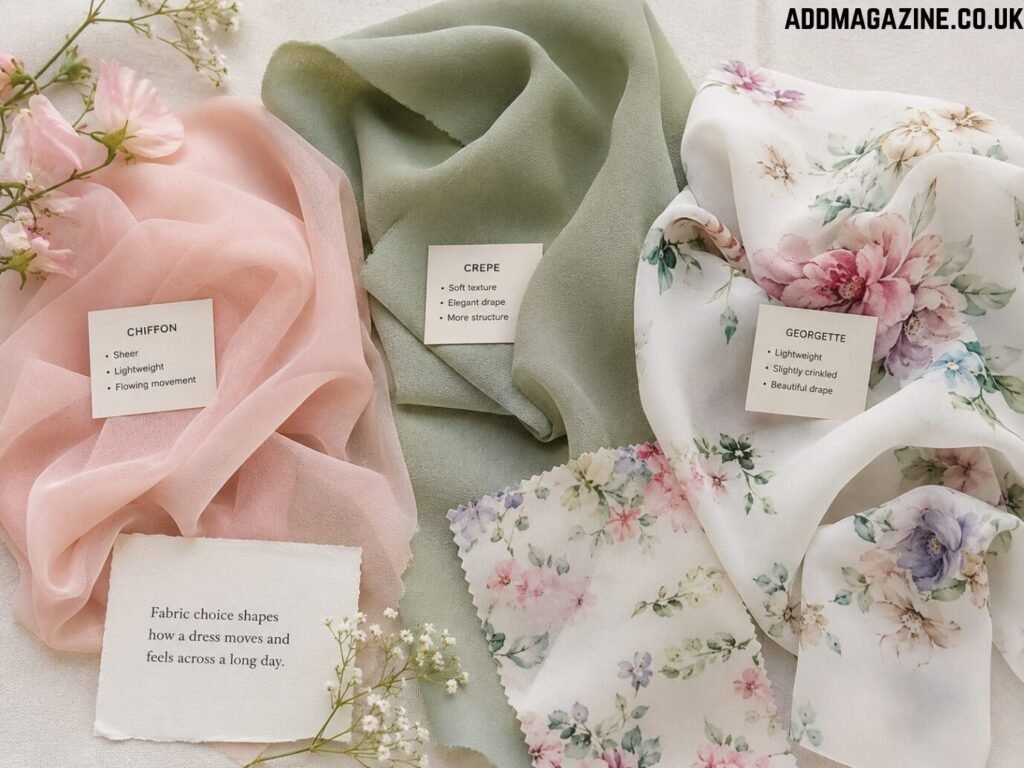
A quick reference for the fabrics you’ll encounter most often at this time of year:
| Fabric | In warm weather | Best for | Think twice if… |
|---|---|---|---|
| Chiffon | Excellent — breathable, light | Outdoor, garden, beach | You want opacity without lining |
| Linen | Good — breathable, casual feel | Garden, daytime informal | Dress code is cocktail or formal |
| Crepe | Good — holds shape, drapes well | Hotel, formal, day-to-night | Extreme heat all day outdoors |
| Satin | Moderate — can trap heat | Evening, formal, ballroom | You’re outside for hours |
| Georgette | Excellent — soft, flowing | Outdoor, romantic settings | You need a structured silhouette |
One note on satin: it’s still a strong choice for evening receptions and indoor venues. The issue is daytime outdoor heat, where it becomes uncomfortable quickly. Many guests find that a satin-effect dress in a lighter-weight fabric — charmeuse or a satin-finish chiffon — gives the look without the temperature problem.
The UK Weather Factor — and What to Do About It
British summer evenings are beautiful and genuinely cold. Even in July, the temperature can drop significantly once the sun goes down, and most venues cool further overnight. This is the one variable that catches people out most reliably.
A lightweight outer layer is usually a smart choice to keep with you — such as a tailored jacket, a blazer, or a soft natural fibres wrap that can be layered easily without feeling heavy or bulky. The key is choosing something that complements rather than contradicts the dress — a cream or neutral wrap in a quality knit fabric, for instance, works across almost every outfit and every venue type.
Silhouettes That Work Across UK Summer Weddings
Midi vs Maxi — The Case for Length
The midi has been dominant for several seasons and continues to be so in 2026 for good reason: it’s genuinely versatile. The length also photographs well in group shots and avoids the tricky territory of very short hemlines in seated ceremonies.
Maxis earn their place at more relaxed outdoor weddings and destination events. In a fluid fabric — chiffon, georgette, lightweight viscose — a maxi silhouette feels appropriately dressed-up without being overly formal. Just check the venue underfoot before committing to a floor-length hem on grass.
2026’s Key Looks Worth Knowing
A few current directions translate well to wedding guest dressing without turning the outfit into a trend checklist:
- Large-scale florals — not ditsy prints but deliberate, visible patterns that work especially well in chiffon or georgette outdoors.
- Soft shimmer — blush, sage, champagne or pale blue finishes work best for indoor receptions and evening settings.
- Quiet ruffles — one detail at the neckline, sleeve or hem is enough; avoid layered volume if the venue is formal.
- Tailored separates — wide-leg trousers with a fluid blouse or structured top can work when the dress code allows an alternative to a dress.
Getting the Summer Wedding Guest Dress Details Right
Footwear Decisions Nobody Warns You About
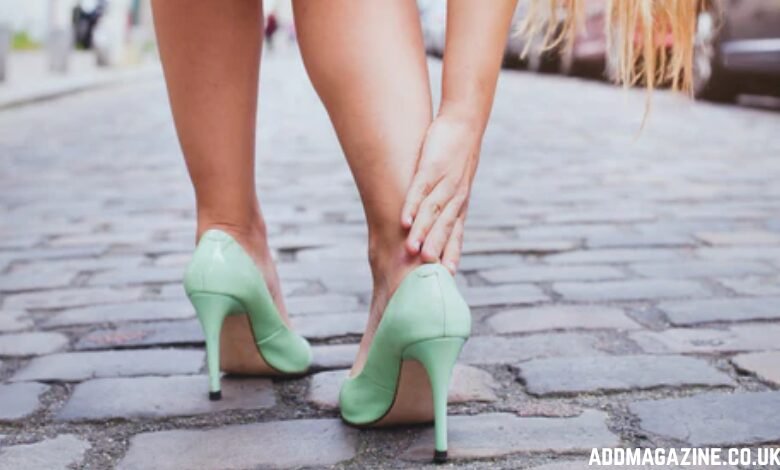
Heels and garden weddings are the most consistent complaint in every wedding season. A stiletto will sink into the grass immediately. A kitten heel or block heel in a sensible height is the real answer for outdoor settings, and most people find they’re genuinely more comfortable for a full day than a heel that commands attention but destroys your feet by 4 pm.
For beach or coastal weddings, flat sandals or wedges are the practical choice — and increasingly the stylish one. Strappy flat sandals in leather or a metallic finish complement both midi and maxi lengths without the sand problem.
Making the Outfit Yourself — and Sourcing Well
Some guests are choosing to sew their own wedding outfits — whether from a commercial pattern or their own design. It’s worth noting that the fabric decisions above apply just as directly here: the silhouette depends on the fabric behaving correctly, and chiffon, crepe, and georgette all have different handling requirements. A good fabric store online will stock these fabrics by the yard in seasonal colours, which makes it easier to match a specific brief — or to find the exact weight and drape your pattern requires before cutting.
The Outfit You Forget You’re Wearing
The best wedding guest outfits share one characteristic: at some point during the day, you stop thinking about them. The dress is comfortable, the shoes have held up, the evening layer was there when you needed it, and you were fully present for the occasion rather than adjusting a strap or worrying about the hem.
Getting there isn’t complicated. It requires one honest question before you buy: where exactly will I be wearing this, and what will the ground, the light, and the temperature require? Answer that first, and the trend choices almost make themselves.