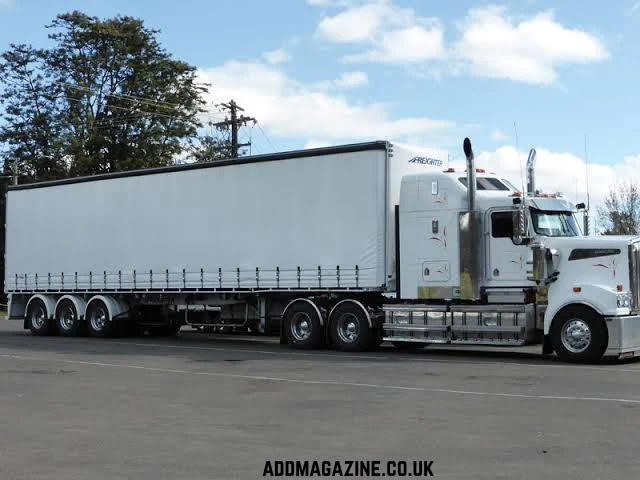
The transport and logistics sector in Sydney offers a wide range of employment opportunities, particularly in truck driving. Those interested in pursuing a career within this vital industry can find numerous roles to suit various experience levels and specialties. For individuals seeking advancement, the selection of truck driver jobs in Sydney is substantial, reflecting the city’s position as a major hub for freight and distribution.
Overview of the Truck Driving Industry in Sydney
Sydney’s transport network plays a crucial role in the distribution of goods both within New South Wales and across Australia. The demand for skilled truck drivers remains consistently high due to increasing freight volumes and the essential nature of road transport for many industries. Truck drivers operate various types of vehicles, from light rigid trucks to heavy combination vehicles, delivering products ranging from daily consumer goods to specialised industrial materials.
Types of Truck Driving Roles Available
The variety of truck driving positions available caters to many interests and skillsets. These include local delivery drivers, long-distance hauliers, and specialty drivers such as those transporting hazardous materials or refrigerated goods. Many employers also seek drivers with experience in fleet management and logistics coordination, marking potential pathways for career progression beyond driving duties.
Essential Qualifications and Licences
To work as a truck driver in Sydney, specific licences are required. Candidates must obtain a heavy vehicle licence suited to the vehicle class they intend to operate. For example, a Medium Rigid (MR), Heavy Rigid (HR), Heavy Combination (HC), or Multi Combination (MC) licence. Additionally, some positions may require supplementary certifications such as a forklift licence or accreditation in handling dangerous goods, depending on the cargo.
Skills and Attributes for Success
Successful truck drivers demonstrate careful attention to safety regulations and efficient route planning. Time management and strong communication skills are essential for coordinating with dispatch and handling customer interactions. Physical fitness and stamina also contribute to coping with the demands of long-distance driving and loading tasks.
Employment Benefits and Working Conditions
Employment conditions vary, with some truck driving roles offering standard daytime hours while others require shift work, night driving, or extended periods away from home. Benefits can include competitive salaries, opportunities for overtime, and company-sponsored training programmes. Some employers may provide additional incentives such as vehicle maintenance support and flexible rostering.
Challenges Facing Truck Drivers
Individuals entering the industry should be aware of potential challenges, including traffic congestion in and around Sydney, the physical demands of loading and unloading, and adherence to strict safety and compliance requirements. Drivers must also maintain a clean driving record and be prepared for periodic medical assessments to remain eligible for certain licences.
Career Progression Opportunities
Truck driving can serve as a gateway to advanced roles within transport and logistics companies, such as fleet supervision, logistics planning, or distribution management. Gaining additional qualifications and experience often enables drivers to take on specialised assignments or leadership positions, increasing earning potential and job satisfaction.
Industry Outlook and Demand in Sydney
The transport sector in Sydney is expected to grow steadily, driven by expanding commercial activity and urban development. This growth ensures ongoing demand for qualified truck drivers, making it a stable career option with long-term prospects. Continued investment in infrastructure and technology within the industry further supports the development of efficient logistics networks.
Training and Certification Options
Several institutions and private operators offer training courses tailored to aspiring truck drivers. These courses cover practical driving skills, vehicle maintenance, and compliance with road safety standards. CareerOne provides access to job listings and resources for anyone looking to enter or progress within the truck driving field in Sydney.
How to Apply for Truck Driving Positions
Job seekers are encouraged to prepare a detailed resume highlighting relevant licences, experience, and competencies. Consulting platforms such as CareerOne allows candidates to browse current openings, submit applications online, and receive notifications about new positions. Networking through industry associations can also enhance job prospects.
Importance of Safety and Regulatory Compliance
Compliance with transportation laws and safety standards is paramount. Drivers must understand regulations related to load securing, driving hours, and vehicle maintenance. Regular training updates help ensure practices meet current legislative requirements and minimise incident risks.
Impact of Technology on Truck Driving
Technological advancements such as GPS navigation, electronic logging devices, and fleet telematics have transformed truck driving. These tools enhance route efficiency, monitor driver behaviour, and improve overall safety. Adapting to new technologies is a key competency for modern truck drivers.
Environmental Considerations
Environmental responsibility is becoming a central consideration in how logistics companies operate and manage their supply chains. Truck drivers may be involved in initiatives to reduce emissions through optimised routes and fuel-efficient driving techniques. Some companies are also transitioning to environmentally friendly vehicles, requiring drivers to become familiar with new operating procedures.
Final Thoughts
Truck driving remains a fundamental component of Sydney’s transport and logistics industry with diverse job opportunities and pathways for career advancement. Individuals seeking a dynamic and essential profession can find these roles rewarding and stable. Through professional development and adherence to safety standards, truck drivers can contribute significantly to the movement of goods in one of Australia’s most important economic centres.