Understanding Rhinoplasty Instrument Sets
What is Rhinoplasty Surgery?
Rhinoplasty, commonly referred to as a “nose job,” is one of the most delicate and technically demanding procedures in plastic surgery. It involves reshaping the nasal structure for either cosmetic enhancement or functional improvement, such as correcting breathing issues. Because the nose is composed of both bone and cartilage, surgeons must work with extreme precision to achieve symmetrical and natural-looking results. Every millimeter matter, and even a minor error can significantly impact the outcome.
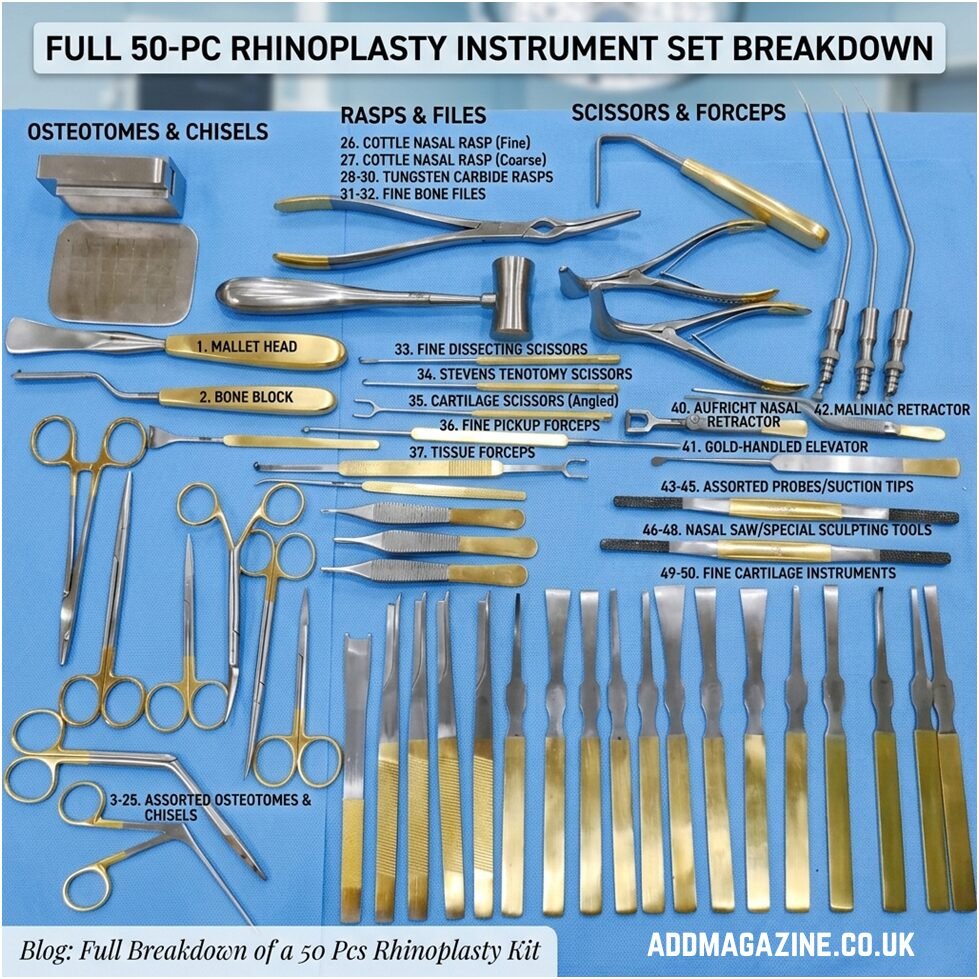
This is where a rhinoplasty instrument set becomes indispensable. Unlike general surgical kits, rhinoplasty sets are specifically curated to address the intricate anatomy of the nose. From cutting bone to refining cartilage and managing soft tissues, each instrument plays a highly specialized role. According to recent product data, a standard 50-piece rhinoplasty kit is designed to cover the entire procedure from incision to final contouring, ensuring surgeons have all necessary tools at hand.
Why Specialized Instruments Are Essential
You might wonder, why not just use general surgical tools? Think of it like trying to carve a sculpture with kitchen knives—it’s possible, but far from ideal. Rhinoplasty demands instruments that are not only precise but also ergonomically designed for tight spaces and delicate handling.
Specialized tools reduce tissue trauma, improve surgical accuracy, and enhance recovery outcomes. Many modern sets feature German stainless-steel construction with titanium coatings, which help minimize friction and reduce postoperative swelling and bruising.
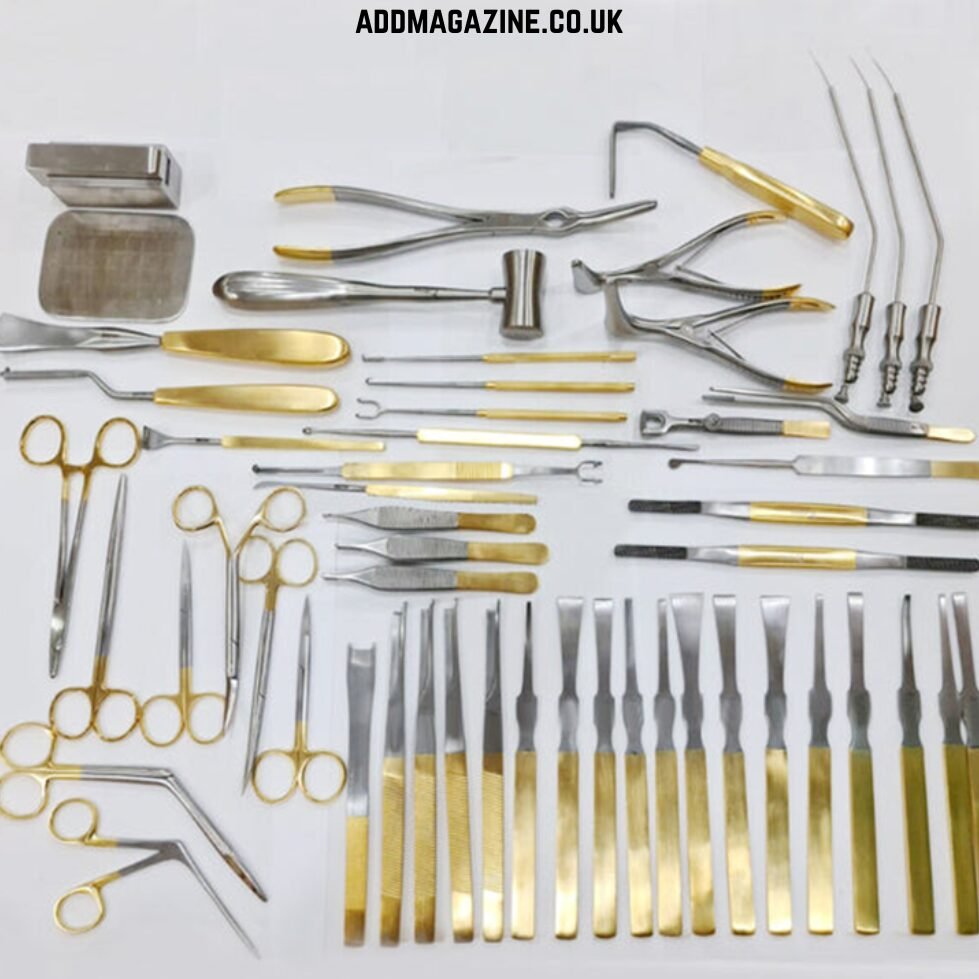
For clinics and surgeons looking for a complete rhinoplasty instrument set, having a well-organized 50-piece kit ensures better precision and workflow during procedures.
Overview of a Standard 50-Piece Rhinoplasty Kit
Key Features of Modern Surgical Sets
A 50-piece rhinoplasty instrument set is essentially a comprehensive toolkit designed to handle every phase of nasal surgery. These sets are carefully assembled to include instruments for cutting, dissecting, retracting, shaping, and suturing. Each tool is selected based on its relevance to specific surgical steps, ensuring efficiency and precision.
What makes these kits particularly valuable is their versatility. Whether the procedure involves reducing a nasal hump, correcting a deviated septum, or refining the nasal tip, the instruments included can handle it all. Many sets also come in sterilization trays, making them ready for operating room use without additional preparation.
Materials and Build Quality
Most high-end rhinoplasty kits are made from medical-grade stainless steel, known for its durability, corrosion resistance, and ease of sterilization. Some premium versions are coated with Titanium Nitride (TiN), which enhances longevity and sharpness while reducing wear and tear.
A well-crafted instrument offers better grip, smoother motion, and more precise control, all of which are critical during intricate nasal procedures.
Cutting Instruments in Rhinoplasty Sets
Scalpels and Handles
At the heart of any surgical procedure lies the scalpel. These scalpels allow surgeons to make precise cuts with minimal tissue damage, which is essential for achieving clean surgical lines and faster healing.
The design of these handles ensures a comfortable grip, enabling surgeons to maintain control even during lengthy procedures. This might seem like a small detail, but in a surgery where precision is everything, it makes a significant difference.
Surgical Scissors Types
Rhinoplasty sets include a variety of scissors; each tailored for specific tasks. Examples include curved operating scissors, Fomon scissors, and micro-serrated tissue scissors. These instruments are used for cutting soft tissues, trimming cartilage, and refining surgical areas.
The variety ensures that surgeons can switch tools depending on the level of precision required. For instance, micro-serrated scissors provide better grip on tissues, reducing slippage and improving accuracy.
Grasping and Holding Instruments
Tissue Forceps
Forceps are the surgeon’s fingers inside the operating field. Rhinoplasty kits often include Adson Brown forceps, DeBakey forceps, and Semken forceps, each designed for handling delicate tissues without causing damage.
These instruments allow surgeons to grasp, hold, and manipulate tissues with precision. The fine teeth on some forceps ensure a secure grip, which is especially important when working with slippery or delicate structures.
Hemostatic Forceps
Although rhinoplasty is not typically associated with heavy bleeding, controlling blood flow is still crucial. Hemostatic forceps help clamp blood vessels, ensuring a clear surgical field and reducing complications.
Retractors for Surgical Exposure
Types of Nasal Retractors
Retractors are essential for holding tissues aside and providing a clear view of the surgical area. Common types in a rhinoplasty set include Aufricht retractors and nasal speculum retractors.
Their Role in Precision Surgery
Without proper exposure, even the most skilled surgeon would struggle. Retractors create the space needed to work effectively, ensuring that every cut and adjustment is made with accuracy.
Bone Cutting and Shaping Tools
Osteotomes Explained
Osteotomes are specialized instruments used to cut and reshape nasal bones. A typical 50-piece set includes multiple osteotomes of varying sizes, allowing surgeons to perform precise bone modifications.
Rongeurs and Bone Forceps
Rongeurs and bone forceps are used to remove or trim bone segments. These tools are particularly useful in procedures involving structural corrections.
Elevators and Dissectors
Septum Elevators
Elevators such as Cottle and Masing septum elevators are used to lift and separate tissues, providing access to underlying structures.
Cottle and Freer Elevators
These instruments are essential for delicate dissections, ensuring minimal trauma to surrounding tissues.
Rasps and Files for Contouring
Types of Nasal Rasps
Common types include Fomon rasps and double-ended bone rasps.
Importance of Aesthetic Outcomes
These tools play a crucial role in achieving a smooth and natural nasal contour, which is the ultimate goal of rhinoplasty.
Speculums and Hooks
Nasal Speculums
Speculums help open the nasal cavity, allowing better visibility and access during surgery.
Surgical Hooks
Hooks are used to retract small areas of tissue, providing additional control and precision.
Additional Specialized Instruments
Cartilage Tools
Cartilage crushers and cutters are used to shape and refine cartilage grafts.
Tongue Depressors and Misc Tools
Some sets also include auxiliary tools like tongue depressors and measuring instruments to assist during surgery.
Complete Breakdown Table of 50-Piece Kit
Category Example Instruments Function
Cutting Tools Scalpel Handle, Scissors Incisions and trimming
Grasping Tools: Adson Forceps, DeBakey Forceps, Holding tissues
Retractors Aufricht Retractor Exposure
Bone Tools Osteotomes, Rongeurs, Bone cutting
Elevators C,ottle Elevator, Tissue separation
Rasps Fomon Rasp Contouring
Speculums Nasal Speculum Visibility
Benefits of Using a Complete Rhinoplasty Set
Using a complete set ensures that surgeons are fully equipped for every stage of the procedure. It eliminates the need to switch between different kits, saving time and improving efficiency. Additionally, having all instruments designed to work together enhances surgical precision and consistency.
How to Choose the Right Rhinoplasty Instrument Set
Choosing the right set depends on factors such as material quality, instrument variety, and surgeon preference. Look for sets that offer a comprehensive range of tools and are made from high-quality materials.
Maintenance and Sterilization of Instruments
Proper maintenance is essential for ensuring the longevity and performance of surgical instruments. Most rhinoplasty tools are autoclavable, allowing for easy sterilization and reuse.
Choosing a high-quality rhinoplasty instrument set not only improves surgical precision but also enhances overall efficiency in the operating room.
Conclusion
A 50-piece rhinoplasty instrument set is far more than just a collection of tools—it’s a carefully curated system designed to support one of the most intricate procedures in modern surgery. Each instrument serves a specific purpose, contributing to the overall success of the operation. From cutting and shaping to retracting and refining, every tool plays a vital role in achieving precise and aesthetically pleasing results.
FAQs
1. What are the most important instruments in a rhinoplasty set?
Osteotomes, forceps, and retractors are among the most essential tools.
2. Are all rhinoplasty sets exactly 50 pieces?
No, the number can vary depending on the manufacturer and surgical requirements.
3. What material is best for surgical instruments?
Medical-grade stainless steel with titanium coating is considered ideal.
4. Can these instruments be reused?
Yes, most are reusable and autoclavable.
5. How much does a rhinoplasty instrument set cost?
Prices can range from a few hundred to over $600, depending on quality.