In recent years, 3D visualization has ceased to be a highly specialized tool only for architects or industrial designers. Today, it is becoming a key element of advertising campaigns, along with classic photography. More and more brands, like Zolak, are choosing 3D images instead of studio shots – and there are several good reasons for this. From budget and time savings to more flexible creative solutions, 3D offers something that traditional photography cannot provide so easily.
Full control over the image
One of the main advantages of 3D visualization is absolute control over every aspect of the image. When a photographer works with a camera, he is limited by the conditions: the light in the studio, access to the location, the weather, the properties of the materials, and the time of shooting. Even with perfect preparation, sometimes it turns out that the colours are not as desired, or the light does not emphasize the necessary details.
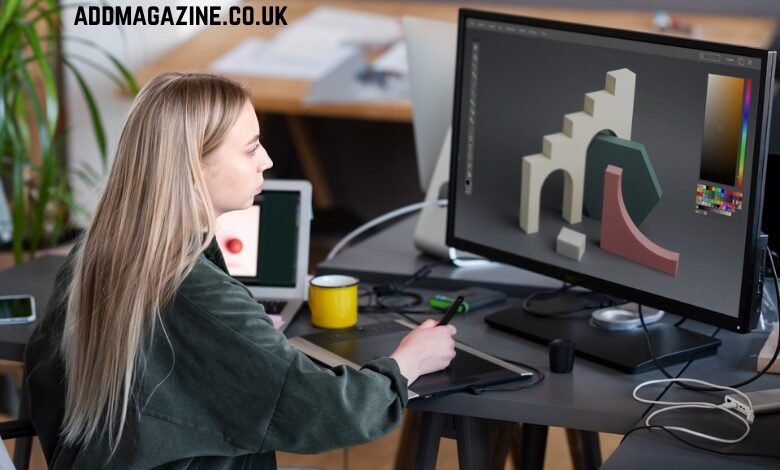
In 3D visualization, all these parameters are adjusted in the digital space. You can:
- adjust the lighting, creating a perfect balance of light and shadow;
- set the camera in any position and at any moment;
- change textures and materials without re-shooting;
- test different visual styles in a matter of minutes.
Modern rendering engines are able to reproduce textures and lighting so realistically that it becomes very difficult to distinguish a 3D image from a photo, even for a professional. This quality allows brands to create visuals that look equally high-quality in all communication channels – on the website, in social networks, or in print.
Save time and budget
The transition to digital visualization is often economically justified, especially for companies with a wide range of products. This is where a set of solutions comes to the rescue, including 3d visualization service – services for creating 3D visuals that help significantly optimize the process of creating advertising materials.
Traditional photography is not only the work of a photographer, but also studio rental, equipment, transportation costs, logistics, stylists, retouching after shooting, and many other nuances that quickly accumulate a budget. While using 3D visualization, you pay mainly for creating a digital model, and then you can reuse it for any angles, color variations, surroundings, and effects – without new filming and costs.
For example:
- one digital 3D asset can be used dozens of times at no additional cost;
- product design changes are made quickly, without the need for a new photo shoot;
- visualization can be ready even before the physical product sample is in the hands of the marketing team.
These capabilities make 3d visualization service especially attractive for brands with a large number of SKUs (product variants), seasonal updates, or fast market launch times. As a result, companies get more predictable budgets, reduce logistics costs, and can respond to market demands faster than with classic photography.
The product can be shown even before its existence
One of the revolutionary advantages of digital visualization is the ability to demonstrate a product even before it physically appears. In the traditional marketing model, you need to wait until the first samples are made, arrange filming, get ready-made frames, and only then launch advertising campaigns.
With 3D visualization, this is not required. You can:
- create advertising visuals in parallel with product development;
- show design options even at the prototype stage;
- include interactive 3D models and animations in presentations to investors, partners, and clients.
This is especially important for startups, technology companies, and e-commerce brands that live under tight deadlines and competition. The ability to visualize a product before it is even produced not only accelerates market entry but also improves communication between departments and with external partners.
Flexibility for digital and social formats
Modern marketing strategies require adaptability: the same visual range must work effectively on Instagram, on a website, in the form of a banner, on a product page in e-commerce, and sometimes in AR applications. 3D visualization perfectly copes with such requirements, because the digital format makes it easy to adapt images to any size, aspect ratio, and interactive scenarios.
Using 3D, you can:
- quickly create vertical image versions for stories;
- prepare animated videos or GIF images for social networks;
- integrate visuals into AR experiences where users interact with an object.
This flexibility makes 3D especially valuable for digital strategies, where it is important to be operational and visually appealing at any point of contact with the audience.
Photorealism, which is difficult to distinguish from photography
Rendering technologies are getting stronger every year. This means that brands can use 3D images not only in digital channels, but also on billboards, catalog booklets, or TV ads without compromising visual perception.
At the same time, the audience gets the impression of a “real” product, even if the physical sample did not exist when the visual was created. This quality is especially important for premium brands, where visual details play a key role in the perception of the product.
Creative freedom and storytelling
Finally, 3D visualization opens up new horizons for creative teams. Unlike shooting, where physical conditions limit you, you can do almost anything in digital space:
- create fantastic scenes that cannot be staged in a studio;
- show the product in action, with all the internal mechanisms;
This turns the visual into a full-fledged storytelling tool, rather than just a beautiful picture.
Results
3D visualization doesn’t just replace photography – it transforms advertising creativity. Due to budget savings, faster work, flexibility of formats, and unlimited possibilities for creativity, more and more brands are choosing this approach as the main one for visual content. Traditional photography, of course, still retains its place, especially when vivid emotions and human contact are important. But in the world of digital marketing, 3D is becoming the standard, not the exception.