Choosing the right game art styles 3d is one of the most important strategic decisions in game development. Art style is not simply about making a project look attractive—it shapes player expectations, production budgets, technical pipelines, and even monetisation opportunities.
Whether a studio is building a stylised mobile RPG, a realistic action title, or a hybrid casual game, visual direction affects every stage of development. Character readability, environment design, animation workflow, UI consistency, and live-service scalability all depend on the chosen style.
Many teams focus too heavily on technical realism, assuming higher detail automatically means better results. In reality, the best-performing projects are often the ones with the clearest artistic identity. Some of the best art style games succeed not because they look expensive, but because they look memorable.
At RocketBrush Studio, visual strategy begins before production starts. A strong art style must work not only creatively but operationally. Great game art needs to support gameplay, pipeline efficiency, and long-term content production—not just screenshots.
How Different 3D Art Styles Affect Production
When evaluating 3d art styles, developers need to think beyond aesthetics. Each style creates different production requirements, team structures, and technical limitations.
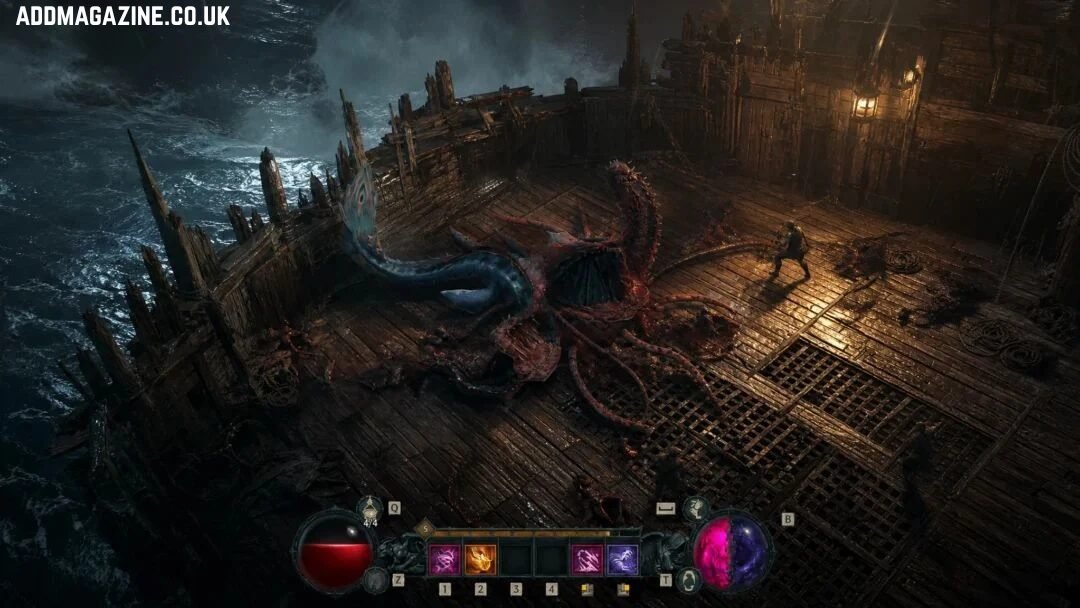
Realistic 3D art often demands high-poly modelling, advanced texturing, complex lighting systems, and larger animation budgets. This can work well for AAA experiences, but it also increases production costs and development timelines significantly.
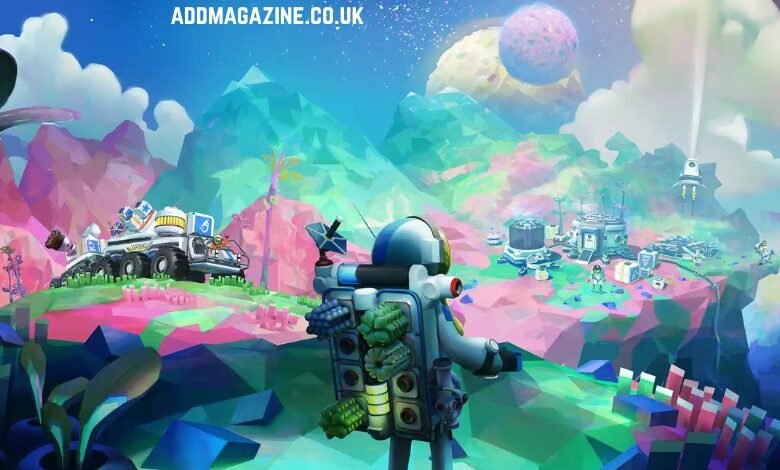
Stylised art, on the other hand, often creates stronger visual identity while improving scalability. It can reduce technical overhead, simplify iteration, and support clearer gameplay readability. This is one reason stylised games remain highly effective for mobile, indie, and live-service projects.
Low-poly environments, painterly textures, hand-painted assets, and exaggerated silhouettes all fall under different 3d art styles, each serving different player expectations and business goals.
RocketBrush works across multiple production styles, including stylised characters, realistic props, low-poly assets, and environment design packages tailored to specific genres and platforms . The goal is never to follow trends blindly, but to identify the most effective visual solution for the project.
Why Strong 3D Game Art Styles Improve Player Retention
A successful game must be recognised quickly. This is where strong 3d game art styles become a business advantage rather than a purely creative decision.
Players often decide within seconds whether a game feels polished, trustworthy, and worth their attention. Storefront thumbnails, trailers, loading screens, and first gameplay moments all depend on visual clarity.
A coherent style improves readability and emotional response. Characters become easier to remember, environments feel more immersive, and progression systems become more visually rewarding. This directly affects retention, especially in mobile and live-service games where players are constantly evaluating whether to stay engaged.
Many of the best art style games use visual consistency as part of their monetisation strategy. Cosmetic systems, skins, seasonal content, and promotional assets all work better when the art direction is strong enough to support long-term expansion.
RocketBrush frequently develops stylised 3D characters, survival game assets, fantasy weapons, environments, and custom props that are designed not only for gameplay use but also for long-term franchise consistency .
Strong 3d game art styles create recognition, and recognition drives retention.
Why the Best Art Style Games Start With Strategy
Studios often ask which titles represent the best art style games, but the more useful question is why those styles work.
Games like Genshin Impact, Hades, Clash of Clans, Fortnite, and many stylised strategy titles succeed because their visual systems are aligned with gameplay and production needs. Their art is not just beautiful—it is repeatable, scalable, and commercially effective.
The strongest styles are built around function. They support fast content production, clear player communication, and strong brand identity across updates, events, and marketing campaigns.
This is particularly important for games with ongoing content pipelines. If every new asset requires expensive reinvention, production slows and consistency breaks.
RocketBrush approaches projects with this long-term mindset. The studio focuses on production-ready systems rather than isolated hero assets. That means thinking about how the entire visual package will perform over time, not just how one screen looks on launch day.
This production logic is what separates visually attractive games from sustainable ones.
Why a Game Art Style Guide Is Essential
Even the strongest creative vision can fail without a proper game art style guide. This is one of the most underestimated parts of game production and one of the most common reasons outsourcing projects become inefficient.
A game art style guide defines the visual rules that protect consistency across the project. It covers proportions, shape language, colour systems, rendering style, materials, lighting logic, UI relationships, and technical limitations.
Without this foundation, multiple artists working on the same project often produce assets that feel disconnected—even if each asset looks good individually.
RocketBrush places major emphasis on style guides, mood boards, and milestone approvals before full production begins. This early alignment helps reduce revisions, improve outsourcing efficiency, and ensure that all assets remain visually consistent across the pipeline .
For distributed teams and large content volumes, a strong game art style guide is not optional—it is a production necessity.
Why RocketBrush Delivers Better Visual Consistency
Choosing among game art styles 3d is only the first step. Execution determines whether the final game actually delivers on that vision.
RocketBrush positions itself as a custom production partner rather than an asset store. The studio creates concept art, stylised and realistic 3D characters, environments, props, low-poly assets, cinematic visuals, and animation packages built around the client’s specific production goals .
Their workflow includes dedicated project managers, art director supervision, transparent milestone approvals, and internal quality control to ensure every stage of production remains aligned with the agreed visual direction .
This matters because consistency is what players remember. Great visuals are not created through isolated assets—they come from systems that support long-term production.
The most successful 3d game art styles are the ones that balance creativity with structure. When visual strategy and production discipline work together, studios create games that not only look strong, but stay strong throughout the entire product lifecycle.