Choosing the right capping machine is an important part of building an efficient packaging line. A capper does more than close a container. It helps protect the product, maintain seal quality, support output goals, and keep the line moving without unnecessary delays. For many manufacturers, the main decision comes down to inline versus rotary cappers. Both can perform well, but they solve different production needs. The best choice depends on container variety, cap style, line speed, and how much flexibility the operation needs over time.
Why the Right Capping Machine Matters
Capping is one of the last steps in packaging, but it has a major effect on product quality and line performance. A weak seal, damaged closure, or inconsistent torque can create issues that affect storage, shipping, and customer satisfaction. That is why manufacturers should not treat capping as a minor detail. Equipment choice matters. Many businesses look at systems such as Acasi bottle capping machines because they understand that reliable capping supports consistency, reduces downtime, and helps protect the final product. The right machine improves efficiency while also supporting a more dependable packaging process from start to finish.
What an Inline Capper Is and Where It Works Best
An inline capper moves containers through a straight path and applies caps one after another as they travel down the line. This type of system is often valued for its flexibility. It can be a strong fit for operations that handle different bottle sizes, multiple cap styles, or varied production runs. Inline cappers are often easier to adjust than more specialized high speed systems, which makes them useful for manufacturers that need to switch formats more often. For small to medium production environments, or for companies with a broader product range, an inline capper can offer the practical balance of efficiency and adaptability that the line needs.
What a Rotary Capper Is and Where It Works Best
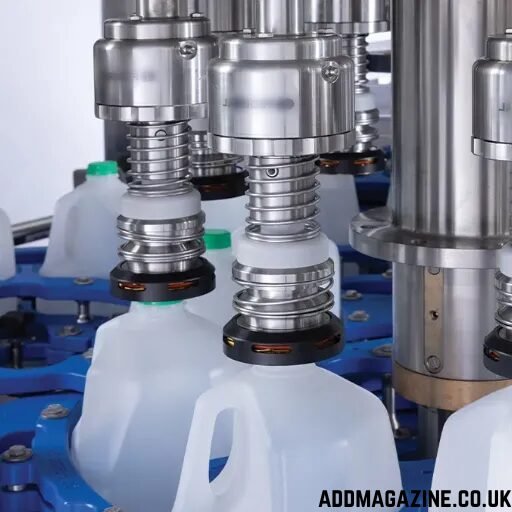
A rotary capper operates with a rotating mechanism that allows containers to move through the capping process in a continuous motion. This design is usually better suited for high speed production where output and rhythm are top priorities. Rotary systems are often used in operations with more consistent packaging formats and less variation between runs. When container size, cap type, and production volume stay fairly stable, a rotary capper can support faster throughput and strong repeatability. In the right environment, it becomes an efficient solution for lines that need to maintain a higher pace without losing control over cap application quality.
Speed vs. Flexibility, The Core Tradeoff
The main difference between inline and rotary cappers comes down to flexibility versus speed. Inline systems usually offer more room for adjustment, which helps when the production line handles different container shapes, several closure types, or frequent changeovers. Rotary systems are often chosen when speed is the bigger concern. They work especially well in large volume settings where consistency and high throughput matter more than frequent variation. Neither option is automatically better. The stronger choice depends on how the line operates every day. A flexible line with changing needs may benefit more from inline equipment, while a stable, high output line may gain more from rotary performance.
Container Type, Cap Style, and Product Line Requirements
The product line itself should guide the decision. Bottle shape, neck finish, cap design, and container stability all affect how well a capping machine performs. A tall, narrow bottle may behave differently from a short, wide container. Some caps require more precise torque control, while others are easier to apply at speed. Manufacturers also need to consider how often they change products or packaging formats. A machine that looks efficient on paper may become less practical if the real production environment involves constant adjustments. The best capper is the one that fits actual operating conditions rather than idealized output numbers.
Maintenance, Changeovers, and Day-to-Day Operation
Daily use matters just as much as output. Maintenance demands, cleaning requirements, and changeover speed all influence how efficient a machine really is. An inline capper may be easier for operators to adjust during shorter runs or when switching between products. A rotary capper may offer stronger speed advantages, but it can be less forgiving if the operation changes often. Buyers should think carefully about who will run the machine, how much training is required, and how much downtime the equipment may create during routine adjustments. Long term efficiency depends on how the capper performs in real working conditions, not just how it performs in a spec sheet.
Conclusion
There is no universal answer to the inline versus rotary question. The right capping machine depends on production volume, packaging variety, cap style, maintenance needs, and long term goals. Inline cappers often offer more flexibility, while rotary cappers often deliver higher speed in more standardized environments. The best decision comes from understanding how the line actually works and choosing equipment that supports that reality with consistency, efficiency, and room to grow.