
On 28 September 2025, TUI Airways Flight BY6754 was forced into an emergency landing at Birmingham Airport following a critical bird strike during its flight from Cardiff. The incident, though resolved without casualties, highlights a troubling trend in aviation: the growing risk of wildlife strikes, particularly bird strikes, which pose significant threats to both flight safety and the aviation industry’s financial stability.
This article will explore the causes, consequences, and broader implications of the TUI Flight BY6754 emergency landing, and how it ties into the global rise of bird strikes affecting aviation safety worldwide.
The Rise of Bird Strikes in Aviation
A bird strike, defined as a collision between a bird and an aircraft, can occur at any stage of a flight, although the takeoff and landing phases are the most vulnerable. In recent years, the frequency of bird strikes has been increasing, with alarming statistics painting a concerning picture. According to the Federal Aviation Administration (FAA), over 22,000 bird strikes were recorded in the United States alone in 2024. This marked a 14% increase compared to the previous year, highlighting the growing scope of the problem.
Globally, bird strikes represent one of the most significant challenges to aviation safety. The International Civil Aviation Organization (ICAO) estimates that around 34,000 bird strikes are officially reported worldwide each year. However, experts believe the actual number is far higher, as many incidents go unreported. In fact, studies suggest that up to 80% of bird strikes may not be recorded in the official statistics.
The financial impact of these incidents is substantial, with bird strikes contributing significantly to the overall costs in aviation. The aviation industry incurs over $1.2 billion annually due to bird strikes, with costs covering everything from aircraft repairs to operational disruptions. In the United States alone, bird strikes lead to $400 million in direct costs each year. This figure includes the costs of repairing aircraft, delays, and lost revenue, but it fails to account for the broader economic impact, such as the costs of rescheduling flights, accommodating stranded passengers, and the ripple effects on airline operations.
Flight BY6754 and the Role of the Boeing 737-800
Flight BY6754, a Boeing 737-800, was one of the many aircraft involved in bird strike incidents. The Boeing 737 family is among the most widely used commercial aircraft in the world, with the 737-800 variant being particularly common. However, due to its widespread use, the aircraft is also frequently involved in wildlife strike incidents.
The Boeing 737-800 is designed to withstand certain levels of damage from bird strikes, thanks to years of engineering improvements and certification requirements. Despite these safety features, large commercial aircraft like the 737 remain vulnerable to bird strikes, particularly when birds of large sizes, such as Canada geese or raptors, are involved.
The Incident: A Close Call for Flight BY6754
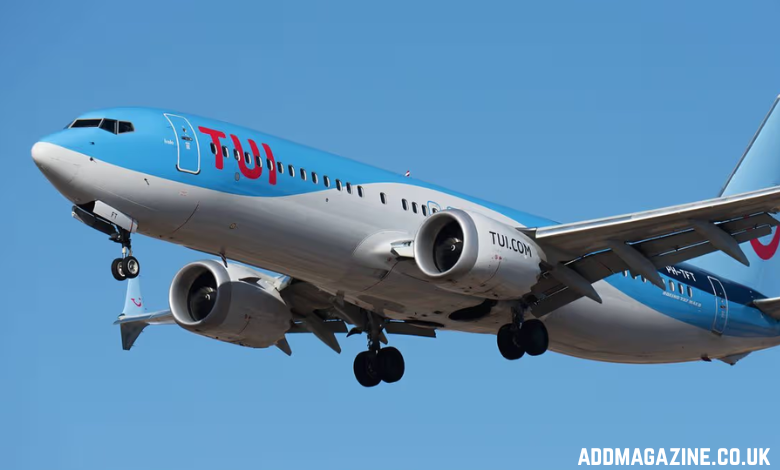
On 28 September 2025, Flight BY6754 encountered a bird strike during its takeoff from Cardiff Airport. The aircraft was initially climbing when the strike occurred. Fortunately, the crew was able to respond swiftly and initiate emergency procedures. The pilots followed established protocols for dealing with bird strikes, which included communicating with air traffic control, assessing the extent of the damage, and preparing for an emergency landing.
The emergency landing at Birmingham Airport, though successful, was a tense moment for both the crew and passengers. The airport’s emergency response was swift, with fire engines and emergency vehicles standing by as the plane touched down. Passengers reported feeling anxious, with some expressing shock at the lack of immediate information about the cause of the emergency.
It was later revealed that the bird strike had caused significant damage to the aircraft’s engine, requiring the crew to make the decision to land as a precautionary measure. Fortunately, the aircraft remained intact, and no passengers were injured during the emergency landing. The crew’s quick thinking and adherence to safety protocols played a key role in preventing a potential catastrophe.
The Bigger Picture: Bird Strikes and Their Impact on Aviation
The TUI Flight BY6754 incident is not an isolated case. Bird strikes are becoming increasingly common, and they are a growing concern for the aviation industry. According to data from the European Union Aviation Safety Agency (EASA), bird strikes account for nearly 14% of all aircraft damage incidents in Europe. In some cases, the damage caused by bird strikes can be catastrophic, leading to engine failures or even crashes.
The risks posed by bird strikes are compounded by the fact that many incidents go unreported. Aviation experts argue that this lack of accurate data makes it difficult to fully assess the scope of the problem and develop effective mitigation strategies. With so many strikes occurring below 3,000 feet, particularly during the takeoff and landing phases, the risk to passenger safety is significant.
In the United States, the FAA’s Wildlife Hazard Mitigation Program has been working to reduce bird strikes through various measures, including habitat management, bird control programs, and improved aircraft design. However, the increasing frequency of bird strikes suggests that more needs to be done to address this issue comprehensively.
Economic Costs and Environmental Considerations
Bird strikes not only pose a threat to safety but also have significant economic implications. The costs of repairing damaged aircraft, rescheduling flights, and dealing with delays can add up quickly. The global aviation industry spends more than $1.2 billion annually dealing with the consequences of bird strikes. These costs extend beyond immediate repairs and can include operational disruptions that affect the efficiency of airline networks.
Environmental factors also play a significant role in the frequency of bird strikes. As urban development continues to expand around airports, bird habitats are increasingly encroaching on flight paths. Additionally, changing climate patterns are altering bird migration routes, bringing more birds into contact with aircraft. Efforts to reduce bird populations near airports through culling or relocation programs have been met with ethical concerns, further complicating the issue.
Modern Solutions: Mitigation Strategies and Technological Advancements
To mitigate the risks associated with bird strikes, the aviation industry has implemented several strategies. These include avian radar systems, which can detect bird movements near airports in real-time, as well as bird migration forecasting models that help predict seasonal risks. Other measures, such as habitat modification and improved aircraft lighting systems, aim to reduce the likelihood of bird strikes.
Research into bird strike avoidance technologies is also ongoing. Emerging technologies, such as enhanced aircraft collision avoidance systems and improved bird movement prediction models, are being explored to help minimize the impact of wildlife strikes. Furthermore, international cooperation between airports, airlines, and wildlife experts is essential for developing a coordinated approach to managing bird strike risks.
The Role of Airports in Managing Bird Strikes
Airports play a crucial role in the management of wildlife hazards, particularly bird strikes. The growing frequency of these incidents has led to the implementation of various strategies aimed at reducing the risk of strikes occurring in and around airports.
Wildlife Management Programs
Airports worldwide have developed wildlife management programs to prevent bird strikes. These programs are designed to create an environment that discourages birds from living near or around airport perimeters. One common strategy involves habitat modification, which alters the vegetation or landscape near the airport to make it less attractive to birds. For example, removing tall grass or planting vegetation that doesn’t attract birds can help reduce their presence.
Many airports also use bird control measures such as trained birds of prey, pyrotechnics, and sonic devices to deter birds from getting too close to runways. In some cases, airports use vehicle patrols to scare birds away from high-risk areas.
Despite these efforts, bird strikes remain a persistent challenge due to the unpredictable nature of wildlife. Bird migration patterns, which are influenced by changing environmental conditions, have become more erratic due to climate change. This unpredictability makes it difficult to fully mitigate the risk of bird strikes through conventional wildlife management strategies alone.
Technological Solutions
With bird strikes increasing globally, aviation experts have turned to technological solutions to help monitor bird activity and prevent these incidents. One such advancement is the use of avian radar systems, which allow airports to track bird movements in real-time. These systems provide detailed data on bird activity, such as flock size, flight patterns, and altitude. By utilizing this data, airport staff can predict potential strikes and take action to prevent them.
In addition, bird migration forecasting models have become a valuable tool for airport wildlife managers. These models use historical migration data to predict when and where birds are likely to be most active, allowing airports to take precautionary measures during high-risk seasons. For instance, airports may increase wildlife patrols or modify flight schedules during peak migration periods.
Emerging technologies in aircraft design also hold promise for minimizing bird strike damage. Engineers are working on developing more resilient aircraft that can better withstand the impact of bird strikes. Advances in composite materials, more robust engine designs, and enhanced bird detection systems are all being explored as ways to reduce the damage caused by bird strikes.
Collaboration and International Efforts
Bird strikes are not an issue that can be solved by individual airports or airlines alone. To tackle this global challenge effectively, international collaboration is crucial. The International Civil Aviation Organization (ICAO) has been at the forefront of coordinating global efforts to manage bird strike risks. ICAO’s Bird Strike Information System (IBIS) encourages member states to report bird strikes, which helps in creating a global database that can be used to assess trends and improve safety protocols.
In addition to data sharing, international organizations are working together to improve reporting standards for bird strikes. Currently, bird strike reporting is voluntary, which leads to significant underreporting. This lack of consistent data makes it difficult to fully understand the scope of the issue and to implement effective mitigation strategies. To address this, ICAO is working with its member states to establish more stringent reporting requirements, which would improve the accuracy of global bird strike statistics.
Passenger Experience During Bird Strike Incidents
While technical solutions and safety measures are crucial in reducing the frequency of bird strikes, the experience of passengers during such incidents is equally important. The TUI Flight BY6754 emergency landing highlighted some of the challenges in managing passenger communication during bird strike emergencies.
Communication Breakdown and Passenger Anxiety
When a bird strike occurs, the first priority of the flight crew is to ensure the safety of the aircraft and passengers. However, a lack of clear communication can heighten anxiety among passengers. In the case of Flight BY6754, passengers reported feeling shocked and uncertain due to the absence of an immediate explanation about the cause of the emergency.
Airlines and airports have recognized the importance of clear and timely communication during emergencies. Crew training programs now include specific protocols for keeping passengers informed, especially in the event of bird strikes or other in-flight emergencies. A standard communication model, such as the NITS (Nature, Intent, Time, Special instructions) system, is increasingly being adopted. This framework provides a structured way for the crew to deliver essential information to passengers and ensure they remain calm and informed.
Additionally, the use of in-flight entertainment systems and announcements has been improved to better communicate emergency procedures. In situations like bird strikes, where the cause may not be immediately clear, providing regular updates can help manage passenger expectations and reduce panic.
Psychological Impact
For many passengers, being involved in an emergency landing, particularly one caused by a bird strike, can be a traumatic experience. While most bird strike incidents are resolved without major issues, the psychological impact can linger long after the flight has landed. Passengers may experience feelings of fear or unease when flying in the future, especially if they were not adequately prepared for the emergency situation.
Airlines are increasingly aware of the psychological toll that such incidents can have on passengers. Many are now offering support services, including counseling, to help passengers cope with any anxiety or trauma following a bird strike incident. In some cases, passengers may receive follow-up communications from the airline to ensure they have recovered emotionally from the experience.
The Future of Bird Strike Management
As global air traffic continues to grow, bird strikes will likely remain a significant challenge for the aviation industry. However, advancements in technology, improved safety protocols, and more robust wildlife management practices offer hope for reducing the frequency and severity of these incidents.
One promising area of development is the use of artificial intelligence (AI) and machine learning to predict and prevent bird strikes. By analyzing vast amounts of data on bird movements, AI systems could help airports identify high-risk areas and take proactive measures to mitigate potential strikes. These technologies could also improve the accuracy of bird migration forecasts, allowing airports to better plan for peak migration seasons.
In addition to technological advancements, collaboration between aviation authorities, wildlife management agencies, and researchers will be critical in addressing the bird strike problem. The development of global standards for bird strike reporting, combined with improved wildlife management practices, will help create a safer environment for both passengers and crew members.
Conclusion
The emergency landing of TUI Flight BY6754 serves as a stark reminder of the growing threat posed by bird strikes to global aviation. While the incident itself was resolved safely, the underlying issue of increasing bird strikes presents a significant challenge to the aviation industry.
As the frequency of bird strikes continues to rise, the aviation industry must take a proactive approach to mitigating risks and ensuring the safety of passengers. This will require improved reporting systems, more robust safety measures, and ongoing research into technologies that can prevent wildlife collisions.
Ultimately, the safety of passengers and crew depends on the ability of the aviation industry to adapt to these emerging risks and implement effective solutions to protect against bird strikes. The success of Flight BY6754’s emergency landing demonstrates the importance of well-trained crews, effective communication, and strong safety protocols. However, the broader issue of bird strikes requires continued attention and action to ensure the long-term safety of aviation.