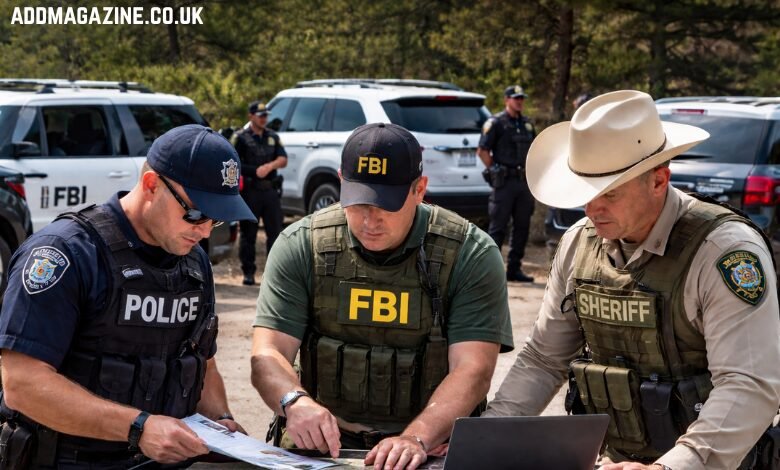
Fremont County, a place known for its natural beauty and close-knit communities, is no stranger to the complexities of modern law enforcement. Amid various local safety concerns, one initiative stands out as a beacon of coordination and collaboration: the Safe Trails Task Force. Often mentioned in safety updates, community meetings, and local news, this task force plays a crucial role in safeguarding residents from serious crime threats that go beyond the reach of typical local policing. Though the name “Safe Trails” might evoke images of hiking paths or outdoor adventures, it actually refers to a multifaceted law enforcement effort targeting the most significant safety risks facing the region.
In this article, we explore what the Safe Trails Task Force Fremont County is, its purpose, the roles of various agencies involved, and how residents can effectively engage with it. This is not just about safety in outdoor spaces; it is about keeping families safe from serious crime that threatens everyday life.
What Is the Safe Trails Task Force?
The Safe Trails Task Force is a multi-agency public-safety effort focused on addressing criminal activity that crosses multiple jurisdictions, including city, county, and federal boundaries. It operates within Fremont County, Wyoming, but can extend into surrounding areas as well. This collaborative task force is designed to target serious criminal activities such as drug trafficking, weapons-related offenses, and violent crime that pose a threat to the community’s well-being.
The task force is often misunderstood due to its name. Many people associate it with recreational trail safety or outdoor activities like hiking or camping. However, “safe trails” in this context refers to the paths that criminals often take to operate across jurisdictions, moving illicit goods and committing crimes in different areas. The mission of the Safe Trails Task Force is to protect public safety by investigating and disrupting these criminal networks.
Why Task Forces Are Important
Criminals do not restrict their activities to a single neighborhood or jurisdiction. They often cross city, county, and state lines, making it difficult for any single law enforcement agency to handle the problem alone. Major criminal cases, such as drug trafficking or organized violence, require coordination, expertise, and resources from multiple agencies. This is where task forces like the Safe Trails Task Force come into play.
By pooling resources and sharing intelligence, task forces allow law enforcement agencies to tackle complex problems that would otherwise fall through the cracks. With local police, county sheriffs, state agencies, and even federal investigators working together, the task force is better equipped to handle large-scale investigations and ensure a quicker, more effective response to criminal activity.
How the Task Force Operates
The Safe Trails Task Force uses a coordinated approach to public safety. The core of its work involves disrupting serious threats such as organized drug trafficking networks, firearms violations, and violent crime. The task force often works across various levels of law enforcement, including federal, state, county, and local agencies, to ensure that criminals cannot easily escape jurisdictional boundaries.
The task force relies on a number of tools and methods to investigate and dismantle criminal operations. These include surveillance, intelligence gathering, undercover operations, and data-sharing between agencies. By coordinating efforts, the task force ensures that criminals who move between jurisdictions are met with a unified, swift response.
The Role of the Community in Public Safety
While law enforcement agencies play a significant role in community safety, residents are crucial to the success of the Safe Trails Task Force. Local residents often notice patterns of criminal activity before law enforcement agencies do, which is why reporting suspicious activity can make a huge difference in ongoing investigations.
If you observe something unusual—whether it’s a vehicle frequently parking in a seemingly quiet neighborhood, or a series of strange interactions at a local business—it’s essential to report these details to the task force. Every bit of information can help law enforcement identify criminal patterns and make informed decisions about how to target criminal networks.
However, it’s important to follow the proper procedures when reporting suspicious activity. Avoid confronting suspects yourself, as this could endanger your safety and potentially disrupt investigations. Instead, report the incident through official channels such as local law enforcement or the federal tip lines.
Reporting Tips and Best Practices
Knowing how to report information effectively is vital for both law enforcement and the community. Here are some basic guidelines to help you report suspicious activity:
- Do call emergency services if there is immediate danger or a crime in progress. The quicker the response, the better the chances of preventing harm.
- Do write down exact details of what you witnessed while the information is still fresh. This includes times, locations, vehicle descriptions, and any other relevant details that could assist law enforcement in their investigation.
- Do report tips using official phone lines or tip forms when it’s safe to do so. Many law enforcement agencies have anonymous tip lines that allow you to provide information without revealing your identity.
- Don’t confront suspects or approach them. If you see something suspicious, report it, but do not take matters into your own hands.
- Don’t share unverified information online. Posting names, photos, or accusations without confirmation can cause unnecessary panic and may interfere with active investigations.
- Don’t assume a detail is unimportant. Even small observations can be key in larger investigations. If something stands out, report it.
The Role of Different Agencies
The Safe Trails Task Force is not a one-man show; it involves multiple agencies working together. While Fremont County’s local police departments handle many incidents within city limits, the county sheriff’s office provides broader coverage for issues that fall outside city boundaries. When criminal activities involve larger networks or patterns, state and federal agencies step in to provide additional support and resources.
This multi-tiered approach allows the task force to tackle issues that range from local street-level crime to large-scale drug trafficking and organized violence. For example, federal investigators may take the lead when criminal networks cross state lines, while local law enforcement addresses more immediate concerns within Fremont County.
Understanding the Importance of Information
A successful investigation often hinges on the smallest details. What might seem like a minor observation to you could be the missing piece that connects several criminal activities. The Safe Trails Task Force relies on these small but crucial details to build a bigger picture of the criminal networks they’re investigating.
When providing tips, focus on facts—what you saw, heard, or know. Avoid speculation or emotional interpretations. Useful information includes things like:
- Specific locations, times, and dates
- Descriptions of vehicles and license plates
- Names or identifying features of individuals involved in suspicious activities
- Details about criminal transactions, such as the exchange of goods or money
- Known threats or weapons
By providing clear and factual information, you help law enforcement build a more accurate and effective investigation.
Preventing Crime through Community Involvement
One of the most effective ways to improve safety in a community is through prevention. It’s not just about reacting to crime but also about taking proactive steps to reduce the chances of crime happening in the first place. Communities can take several steps to help prevent crime, such as:
- Supporting local youth programs that provide positive alternatives to criminal activity.
- Educating young people about the dangers of drugs and the consequences of criminal behavior.
- Getting involved with neighborhood watch programs to help monitor and report suspicious activity.
- Building strong relationships with local law enforcement so that residents feel comfortable reporting issues and asking for help.
Public safety is everyone’s responsibility, and small steps taken by individuals and families can have a large impact on reducing crime and creating a safer environment for everyone.
Building Trust and Fostering Community Relationships
One of the foundational pillars of the Safe Trails Task Force is the trust it aims to establish between law enforcement and the community. A collaborative relationship between the two entities is essential for long-term public safety. This trust is built over time through transparency, regular communication, and community engagement.
For the task force to be truly effective, it must work alongside residents, not just as a distant entity from another department. Residents can be the eyes and ears that inform law enforcement of suspicious activities, but this only happens when they feel confident that their concerns will be taken seriously and acted upon swiftly. In some areas, programs such as community policing or local neighborhood watches help strengthen these connections.
Law enforcement officials, including those in the Safe Trails Task Force, often hold community meetings, public forums, or outreach events to keep residents informed about ongoing efforts and invite them to share concerns. These efforts go a long way in dispelling fears, reducing misinformation, and ensuring that everyone is on the same page when it comes to tackling crime.
Additionally, community programs and youth outreach initiatives are key components in reducing crime rates over the long term. By offering alternatives to at-risk youth, such as after-school programs, vocational training, or recreational activities, communities can deter young people from engaging in criminal activities.
The Role of Technology in Public Safety
In today’s world, technology plays a significant role in modernizing law enforcement tactics. The Safe Trails Task Force, like many other task forces across the country, benefits from the integration of new tools and technologies that enhance both investigative capabilities and public engagement.
Data Sharing and Coordination
One of the main advantages of a multi-agency task force is the ability to share data across jurisdictions in real time. Whether it’s intelligence gathered from a local traffic stop or the surveillance of a known drug dealer, law enforcement agencies involved in the Safe Trails Task Force can access information quickly, ensuring that cases are investigated with the most up-to-date and accurate data.
Through specialized software and databases, agencies can share information on criminal activity, track suspects across jurisdictions, and receive alerts about potential threats. These systems make the task force more efficient and responsive, allowing for a faster reaction to emerging threats.
Social Media and Public Engagement
In addition to investigative tools, technology is also utilized for public communication. Many law enforcement agencies, including those involved in the Safe Trails Task Force, use social media platforms to keep the public informed about recent developments, public safety tips, and emergency alerts.
These platforms allow the task force to engage directly with the community, asking for tips and distributing information that can aid in investigations. Residents are encouraged to report suspicious activity or share any concerns with the task force through these channels. Social media also helps build transparency by providing updates on ongoing investigations, reminding the public about safety issues, and sharing prevention strategies.
While technology has its benefits, it’s essential to approach it with caution. For instance, any information shared online should be verified, and public statements should not compromise the integrity of ongoing investigations. This balance is key to ensuring that the community remains both informed and protected from misinformation.
A Holistic Approach to Crime Prevention
Crime prevention is not just about stopping criminal activities as they happen but about addressing the root causes of crime and taking preventive action before problems escalate. The Safe Trails Task Force recognizes this and focuses not just on reacting to crime but also on creating an environment where criminal activities are less likely to flourish.
Addressing Underlying Issues
Often, criminal activity is a symptom of broader societal issues such as poverty, lack of education, and substance abuse. As part of their effort to keep the community safe, task forces like Safe Trails aim to engage in strategies that address these root causes.
For example, drug trafficking is often tied to a cycle of addiction and poverty. By collaborating with local health agencies and community groups, law enforcement can help guide individuals towards addiction recovery programs and essential social support services. This holistic approach reduces the number of people who turn to illegal activities as a means of survival or coping with personal issues.
Furthermore, educational initiatives in schools and local community centers can help youth stay away from crime. Programs that teach young people about making responsible decisions, managing peer pressure, and avoiding risky behaviors can prevent future generations from becoming involved in criminal activities.
Building Resilience in Vulnerable Communities
Another key aspect of crime prevention is strengthening the resilience of vulnerable communities. Areas that are particularly at risk for crime often lack the resources and support systems needed to address the problems they face. The Safe Trails Task Force works alongside local organizations and leaders to empower these communities, ensuring they have the tools and support to address crime at the local level.
Creating community spaces for individuals to come together and form positive connections can go a long way in preventing crime. When people know their neighbors, feel a sense of ownership in their community, and trust local authorities, they are less likely to allow criminal activity to thrive. Community support, in combination with law enforcement efforts, creates a unified front that discourages criminal behavior.
Success Stories and Lessons Learned
The Safe Trails Task Force has seen several successes over the years, as their coordinated approach has led to the dismantling of major criminal networks and the prevention of numerous criminal activities. These successes underscore the importance of collaboration, effective communication, and a community-based approach to public safety.
One example of the task force’s success is the crackdown on a regional drug trafficking network that had been operating across multiple states. By working with federal agencies, local police departments, and neighboring counties, the task force was able to track down key figures involved in the operation and break up their supply chain. This effort involved months of surveillance, intelligence gathering, and coordination between different law enforcement agencies.
The success of the task force is also evident in the significant reduction of violent crimes in Fremont County. Over time, the task force has managed to disrupt violent criminal networks that would have otherwise posed a serious risk to the community. While crime may still exist, the coordinated efforts of the Safe Trails Task Force have made it harder for criminals to operate without detection or swift intervention.
Conclusion
The Safe Trails Task Force Fremont County is a vital initiative in ensuring the safety and well-being of the community. Through the collaboration of multiple law enforcement agencies, the task force is able to address complex criminal issues that span across jurisdictions. By working together, law enforcement agencies and community members can help keep Fremont County a safe place to live, work, and visit.
While the task force works tirelessly to disrupt criminal networks and prevent harm, residents play an essential role in reporting suspicious activity and supporting law enforcement efforts. By following proper reporting protocols and staying informed about local safety issues, the community can help create a safer environment for everyone.
Safety is not just about reacting to problems; it’s about building a culture of awareness, communication, and prevention. When everyone plays their part, communities become more resilient and capable of facing the challenges that come their way.