Lifetime Cost Of Disposable Products
It’s easy to overlook the monthly expense of disposable pads and tampons. However, when you tally it up over a lifetime, the cost becomes quite significant. For someone who menstruates for about 40 years, the total spent on disposables can range from $7,200 to over $12,000. This figure doesn’t even account for pantyliners, replacement underwear due to leaks, or pain relief medication. It’s a perpetual drain on finances.
The true cost of disposable period products is often hidden in plain sight.
This ongoing expense means a substantial amount of money is spent on items used briefly and then discarded. Considering the sheer volume of products used and discarded annually, the financial impact is undeniable. The lifetime cost of disposable sanitary napkins is a sum that many find surprising.
Upfront Investment Versus Long-Term Value
Switching to reusable sanitary napkins involves a higher initial cost. A complete set of reusable pads and period underwear might cost between $150 and $250. While this seems like a lot compared to a single box of disposables, the value lies in their longevity.
- Initial Outlay: $150 – $250 for a full set.
- Durability: Designed to last for many years.
- Long-Term Savings: Significant savings after the initial purchase.
This upfront investment is a classic example of paying more now to save much more later. The initial purchase is not just for a product, but for years of reliable period care. The long-term value of reusable sanitary napkins far outweighs the initial expense.
Achieving The Break-Even Point
Most individuals find that their reusable sanitary napkins pay for themselves in less than a year. After this break-even point, every cycle using reusables represents pure savings. Over five years, this can amount to over $1,000 saved.
The transition from disposable to reusable period products is not an expense, but a smart financial strategy.
This means that after the initial investment, you are essentially getting free period care for the remaining lifespan of your reusable products. The savings accumulate month after month, year after year, freeing up funds for other priorities. The break-even point is a tangible marker of the financial wisdom of this switch.
Prioritizing Your Health With Reusable Options
Avoiding Harsh Chemicals And Plastics
Conventional disposable pads and tampons often contain a mix of synthetic materials. These can include plastics in the topsheet and core, which trap heat and moisture. This lack of airflow can create an environment ripe for irritation. Many products also use chlorine-bleached pulp, a process that can create dioxins. Fragrances, while seemingly harmless, can introduce phthalates and other chemicals. These can act as allergens and potentially disrupt the body’s natural balance.
Making the switch to reusable options means you’re choosing materials that are kinder to your body. It’s about reducing exposure to substances that can cause discomfort and potential long-term health concerns. This conscious choice supports your well-being during your period.
Benefits Of Organic Cotton Materials
Choosing reusable pads made from organic cotton offers a significant health advantage. Organic cotton is a natural fiber, allowing for much better breathability. This free circulation of air helps to keep the area drier and cooler. It reduces the likelihood of yeast and bacterial growth, which often thrive in warm, moist conditions. This natural material is also hypoallergenic.
This means it’s less likely to cause allergic reactions or skin sensitivities. The absence of plastics, harsh chemicals, and synthetic fragrances found in many disposables contributes to a gentler experience. Users often report a noticeable decrease in chafing and rashes after switching to organic cotton reusables. It’s a simple change that can lead to a more comfortable and healthier period.
Reduced Irritation And Discomfort
Many people experience irritation, itching, or rashes from disposable period products. This is often due to the synthetic materials, plastics, and fragrances used in their construction. These components can restrict airflow, trap moisture, and cause friction against sensitive skin. The chemicals present can also disrupt the delicate pH balance of the vaginal area, leading to discomfort and potential infections.
Reusable pads, especially those made from soft, breathable organic cotton, offer a welcome alternative. They allow the skin to breathe, reducing heat and moisture buildup. The natural fibers are gentle and less likely to cause allergic reactions or chafing. This focus on natural, breathable materials can significantly reduce period-related irritation and discomfort, leading to a more pleasant and healthier experience overall. Prioritizing your health means choosing products that work with your body, not against it.
Environmental Impact Of Reusable Sanitary Napkins
Reducing Landfill Waste
Think about all the disposable pads and tampons used every single month, year after year. It adds up. Billions of these single-use items end up in landfills annually. Because they’re mostly plastic, a single disposable pad can take hundreds of years to break down. This means every disposable pad ever created is likely still out there somewhere. Choosing reusable sanitary napkins drastically cuts down on this waste. It’s a direct way to lessen the burden on our already overflowing landfills.
Minimizing Resource Depletion
Making disposable menstrual products uses a lot of resources. We’re talking water, energy, and materials like wood pulp and plastics derived from fossil fuels. The production process itself also releases chemicals. Reusable sanitary napkins, while requiring water and detergent for washing, have a much smaller resource footprint over their lifespan. It’s about shifting from a constant cycle of production and disposal to a more sustainable model. This mindful choice helps conserve precious natural resources for the future.
Lowering Your Personal Carbon Footprint
Every disposable product we use contributes to our personal carbon footprint. From manufacturing to transportation to disposal, the environmental cost is significant. By switching to reusable sanitary napkins, individuals can make a tangible difference. One person making this change can prevent thousands of disposable products from entering the waste stream over their lifetime. This simple switch is a powerful step towards a cleaner planet and a reduced personal impact on the environment. It’s a clear win for sustainability.
Comfort And Convenience Of Reusable Pads
Unparalleled Softness And Breathability
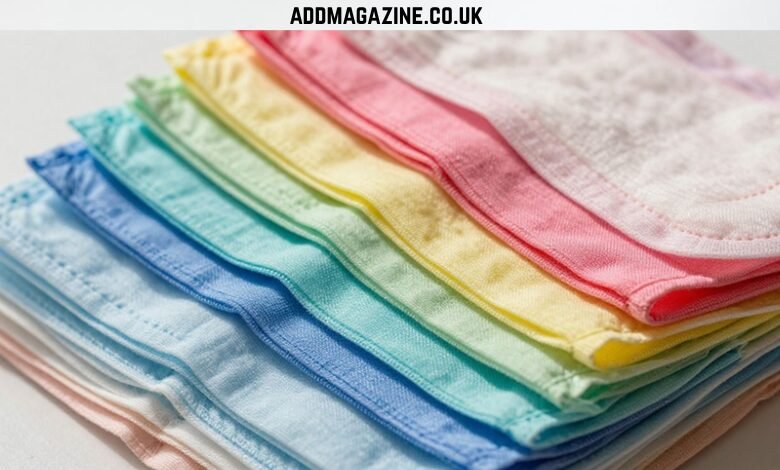
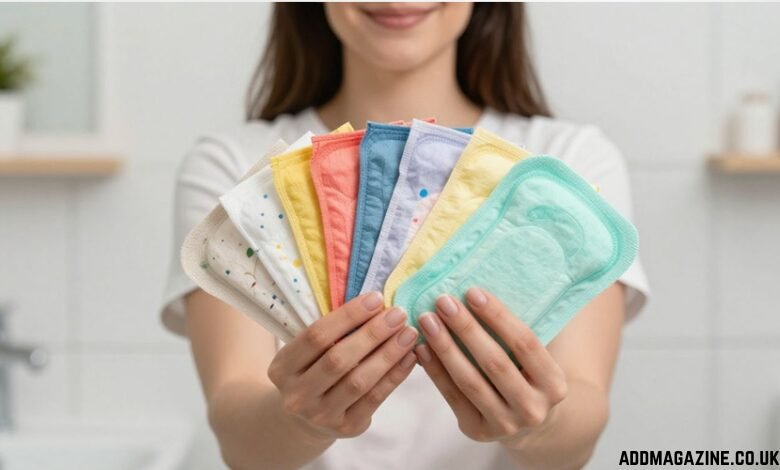
Forget that crinkly, plastic feel. Reusable pads, often made from soft organic cotton, offer a gentle, fabric-like sensation against the skin. This makes a noticeable difference in comfort, especially for those who experience chafing or irritation with disposable options. The breathability of natural fibers also contributes to a more pleasant experience throughout the day.
Discreet And Quiet Protection
No more noisy wrappers in public restrooms. Reusable pads are designed for discretion. They don’t have the loud rustle of disposable packaging, and once in place, they are generally silent. This quiet protection allows for a more private and less noticeable period experience, letting users feel more at ease.
The Convenience Of Always Being Prepared
One of the unexpected perks of reusable pads is the peace of mind that comes with always having supplies ready. Instead of last-minute store runs or frantic searches through bags, a set of clean reusable pads is always on hand. This consistent availability removes a common stressor associated with managing monthly cycles, offering a reliable and convenient solution for period care.
Understanding The Functionality Of Reusables
How Reusable Pads Are Designed
Reusable pads work much like their disposable counterparts, attaching to underwear to absorb menstrual flow externally. The key difference lies in their construction. Some designs feature a two-part system: a washable holder that snaps around the crotch of underwear and a separate absorbent insert. Other styles are a single piece of fabric that snaps directly into place. This variety means users can find a design that best suits their comfort and needs.
Absorbency Levels And Leak Protection
Just like disposable pads, reusable options come in various absorbency levels, from liners for light days to heavy-duty pads for maximum protection. Choosing the right absorbency is key to preventing leaks and ensuring comfort. For those with heavier flows, doubling up inserts or opting for overnight styles can provide extra security. Understanding your personal flow helps in selecting the most effective reusable pads for reliable wear throughout your cycle.
Securing Pads For Reliable Wear
The functionality of reusable pads relies on a secure fit. Most reusable pads feature snaps on the wings that fasten around the crotch of your underwear. This design keeps the pad firmly in place, preventing shifting and bunching, which are common concerns with less secure options. A well-secured pad offers reliable wear, allowing for normal daily activities without worry. The functionality of these pads is designed for both comfort and confidence.
Making The Transition To Reusable Sanitary Napkins
Addressing Common Concerns
Making the switch to reusable sanitary napkins can bring up a few questions. Many people wonder about the cleaning process and how to ensure they are hygienic. It’s also common to question if reusable pads will be as effective as disposables, especially regarding leaks. These concerns are valid, but easily addressed with a little information.
Some worry about the initial cost, viewing it as a significant upfront expense. However, when you look at the long-term savings, the initial investment in reusable sanitary napkins quickly pays for itself. Think of it as buying a durable item that serves you for years, rather than a constant stream of products that are used and discarded.
Another common thought is about comfort and feel. Will they be bulky? Will they be noticeable? The reality is that many reusable pads are designed with soft, breathable fabrics that feel more comfortable than plastic-laden disposables. The quiet nature of reusable pads also means no crinkly wrappers in public restrooms.
Establishing A Cleaning Routine
Setting up a simple cleaning routine is key to successfully using reusable sanitary napkins. It’s not as complicated as some might imagine. The process typically involves a quick rinse after use, followed by washing them with your regular laundry.
Here’s a basic approach:
- Rinse: Immediately after use, rinse the pad under cold water to remove as much blood as possible. This step helps prevent stains.
- Soak (Optional): For tougher stains or if you can’t wash them right away, you can soak them in cold water with a bit of detergent or a stain remover.
- Wash: Wash your reusable pads with your regular laundry using a mild detergent. Avoid using fabric softeners, as they can reduce absorbency over time. Hot water is generally fine for washing, but always check the manufacturer’s instructions.
- Dry: Air drying is best for preserving the fabric and elasticity. You can also tumble dry on a low setting if preferred.
A consistent cleaning routine ensures your reusable sanitary napkins remain hygienic and ready for use. Many users find that once they get into the rhythm, it becomes second nature, just like washing any other piece of clothing.
Considering Partial Adoption
If a full switch feels like too big a leap, consider starting with partial adoption of reusable sanitary napkins. This approach allows you to ease into the change and see how reusable pads fit into your life without fully committing right away.
For instance, you could begin by using reusable pads on lighter days of your period or on weekends when you’re at home and can easily manage washing. Another option is to use them in conjunction with other period products, perhaps as a backup for a menstrual cup or tampon, offering an extra layer of security.
This gradual introduction helps you become familiar with the feel, performance, and care of reusable sanitary napkins. It’s a practical way to experience the benefits, like reduced waste and cost savings, without the pressure of an immediate, complete overhaul of your period care routine. Many find that once they experience the comfort and convenience, they naturally transition to using reusables more frequently.
So, Are Reusable Pads Worth It?
When you look at the whole picture, switching to reusable pads seems like a pretty smart move. Sure, there’s a bit more upfront cost than grabbing a single box of disposables, but that initial investment really pays off over time. We’re talking thousands of dollars saved over a lifetime, money that could go towards, well, anything else. Plus, ditching the plastics and chemicals found in many disposable products is a win for your body, especially if you have sensitive skin. And let’s not forget the planet – less waste heading to landfills is always a good thing. While there’s a small learning curve with washing and keeping them ready, most people find the long-term benefits, like consistent comfort and always having supplies on hand, far outweigh any initial hassle. It’s a change that’s good for your wallet, your health, and the environment.