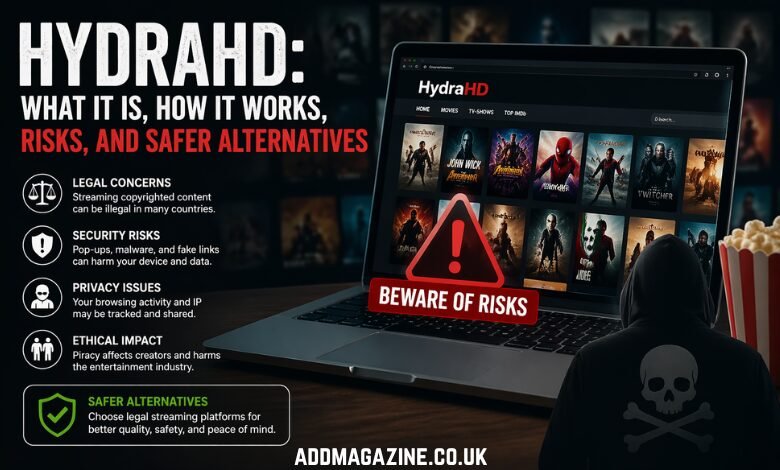
In the modern digital age, streaming platforms have transformed the way we access and enjoy entertainment content. With the rise of platforms like Netflix, Amazon Prime, Hulu, and Disney+, accessing movies and TV shows has never been easier. However, these services often come at a premium, leading some users to look for alternative ways to watch their favorite content for free. HydraHD is one such platform that has garnered significant attention. Offering free streaming of movies and TV shows, it claims to provide users access to premium content without the need for subscriptions. But what lies behind this seemingly convenient service? Let’s explore HydraHD, its benefits, challenges, and the legal and ethical concerns it raises.
What is HydraHD?
HydraHD, often referenced through its domain names like hydrahd.me and hydrahd.io, is a free online streaming service that provides movies and television shows without requiring users to register or pay. Unlike traditional streaming services that charge monthly fees, HydraHD allows anyone to visit the site and begin watching almost immediately. The appeal of such platforms, especially in today’s economy where subscription costs for entertainment can quickly add up, is undeniable.
The website’s straightforward interface makes it simple to navigate, and users can search for movies or shows, and start streaming almost instantly. It often features a vast library of content, including newly released films and trending TV series, making it an attractive alternative for people who are looking to avoid the high costs associated with legitimate streaming services.
However, the ease of access and vast content library come at a price. HydraHD does not host its own content. Instead, it acts as an aggregator, linking to third-party sources where the content is hosted. This has important implications for the service’s legality, security, and overall user experience.
How HydraHD Works
HydraHD primarily serves as a platform that organizes and aggregates content from third-party streaming sites. By embedding or redirecting users to these external servers, HydraHD provides a convenient interface for watching movies and TV shows without the user having to pay for subscriptions. These third-party servers host the actual video files, and HydraHD simply offers links that redirect users to the content.
This method allows HydraHD to operate without the high costs associated with storing and managing large volumes of video files. However, it also introduces significant risks. The reliance on third-party servers means that the availability and quality of streams can be unpredictable. Links may break, videos may be removed, or streams may become unavailable at any time.
The Role of Advertising
To keep the service running without charging users, HydraHD relies on advertising as its primary revenue model. Pop-ups, banner ads, and redirects are a common sight when using the platform. While these ads are necessary to sustain the free service, they come with a host of security risks. Users may encounter deceptive ads, which can trick them into downloading malicious software or clicking on harmful links.
Some ads may even collect personal data, which could be sold to third-party advertisers. HydraHD doesn’t provide clear privacy policies, leaving users vulnerable to having their data exposed or misused.
Legal Risks of Using HydraHD
One of the most pressing concerns surrounding HydraHD is its legality. Most of the content available on the platform is copyrighted, and streaming or distributing such content without permission is illegal in many countries. While the legal consequences may vary based on location, users of the platform are still at risk.
In some regions, authorities actively pursue operators of piracy websites, while in others, internet service providers may issue warnings or restrict access for users who repeatedly stream pirated content. Though many users may feel that they are flying under the radar, the risk of facing legal action remains a significant concern.
Using a site like HydraHD could expose users to legal and financial consequences, particularly if they’re found to be accessing or distributing copyrighted material without authorization. This adds an element of uncertainty to the user experience, making it difficult to fully enjoy the convenience of free streaming without the potential for legal issues.
Security Concerns: Malware and Privacy Issues
Beyond legal issues, HydraHD also exposes users to cybersecurity risks. Because the platform relies heavily on third-party advertising and external servers, there is a higher chance that users will be exposed to malicious software. Fake play buttons, deceptive download prompts, and aggressive pop-ups are common on these types of websites, and users may unknowingly click on harmful links.
The risk of malware and viruses is one of the most significant concerns for anyone using free streaming services like HydraHD. In addition to malicious software, there are also privacy concerns. Many free streaming sites, including HydraHD, track user activity, including IP addresses, browsing habits, and viewing history. This data may be sold to advertisers, and in some cases, could be misused or exploited. Without a clear privacy policy, users have little recourse if their data is mishandled.
For users who value their privacy and security, the risks associated with using HydraHD may far outweigh the benefits of free streaming.
The Inconsistent Viewing Experience
While HydraHD advertises high-definition (HD) streaming, the actual viewing experience can be far from perfect. Video quality can fluctuate significantly, and streams may frequently buffer, especially during peak viewing times. In many cases, the content may not even be available in HD, contrary to the site’s claims.
Additionally, subtitles, if available, are often poorly synchronized or inaccurate. This can create a frustrating experience for viewers who are looking for a seamless, high-quality viewing experience.
When compared to legitimate streaming services like Netflix, which invest heavily in infrastructure and user experience, HydraHD’s performance often falls short. The lack of consistent video quality, unreliable streams, and the constant risk of broken links detract from the overall enjoyment of the platform.
The Ethical Dilemma of Using HydraHD
Another aspect that users must consider is the ethical implications of using sites like HydraHD. Movies and TV shows are the result of hard work by countless individuals, from writers and directors to actors, editors, and production teams. When users consume content through unauthorized platforms, these creators do not receive compensation for their efforts.
Widespread piracy can have significant long-term consequences for the entertainment industry. By supporting legitimate streaming platforms, users help ensure that creators are compensated for their work and that high-quality content continues to be produced. While it may seem harmless to watch content for free, the reality is that piracy undermines the sustainability of the creative industries.
The Appeal of Free Streaming and the Need for Better Legal Alternatives
Despite the risks and ethical concerns, many users continue to turn to HydraHD and similar platforms. The increasing cost of legitimate streaming services, regional content restrictions, and limited access to specific titles make platforms like HydraHD attractive to viewers looking for free entertainment. The rising demand for free streaming sites highlights a larger issue in the digital entertainment landscape: the need for affordable and accessible legal options.
To address this issue, several platforms offer legal alternatives for free or low-cost entertainment. Some services provide ad-supported streaming with proper licensing, while others offer free trials or limited-access libraries. Public domain films, educational content, and free streaming services funded by donations or sponsorships are also available, providing legitimate ways for users to enjoy content without the risk of malware or legal issues.
Opting for these legal alternatives ensures a safer, more reliable viewing experience and helps support the entertainment industry in a sustainable way.
A Call for Balance: Cost, Accessibility, and Legality in Streaming
While the entertainment industry has embraced digital transformation, it is also struggling with the shift in consumer behavior. Consumers are increasingly looking for low-cost or free alternatives to traditional cable and premium streaming platforms. In this scenario, platforms like HydraHD offer an appealing alternative for users who feel burdened by subscription fees or who live in regions with limited access to certain streaming services.
However, the growing dependence on unauthorized streaming sites speaks to a deeper issue: the affordability and accessibility of content. For many users, high subscription costs, combined with geographical restrictions and the overwhelming number of streaming services, make accessing their favorite content difficult. This leads them to seek out free streaming platforms that promise easy access to films and TV shows without the financial strain.
While HydraHD and similar platforms may offer immediate relief, they also reinforce the need for a broader solution within the industry. The emergence of free streaming platforms underscores the difficulties faced by paid services in striking a balance between cost and profitability. If the entertainment industry fails to find a middle ground, it risks pushing more viewers towards illegal streaming sites, which ultimately damages the creators and the industry as a whole.
How the Industry Can Respond to the Demand for Free or Low-Cost Content
The increasing popularity of platforms like HydraHD serves as a reminder that the current streaming ecosystem is not meeting the needs of all consumers. The industry must adapt to this growing demand for affordable or even free access to high-quality content.
One potential solution is for streaming platforms to explore more flexible subscription models. For instance, introducing tiered pricing options could cater to a wider range of viewers. Offering lower-cost options with ad support or content restrictions could provide an avenue for viewers who cannot afford premium subscriptions. Likewise, some platforms could offer more substantial free trials or a library of content available at no cost.
Additionally, public domain content and educational platforms could serve as valuable alternatives for viewers seeking free content. By making more classic films, educational documentaries, and other media publicly available, the industry could reduce the incentive for users to turn to piracy.
More importantly, streaming platforms should focus on transparency and ethical business practices, such as clear data policies and user consent mechanisms. If users feel more confident in the safety and ethical standing of the services they are using, they may be less likely to turn to illegal alternatives.
The Importance of Supporting Creative Work
Every film or TV show consumed through illegal streaming sites like HydraHD is a missed opportunity for the creators to earn a living from their work. Writers, actors, producers, and all those involved in the entertainment industry rely on royalties and licensing fees to sustain their careers. Piracy deprives them of this compensation, weakening the industry’s financial foundation.
By supporting legitimate streaming services, whether ad-supported or with limited content, we ensure fair compensation for the creators behind the media. This, in turn, fuels the continued production of high-quality films and shows. By encouraging the development of more ethical alternatives, users contribute to a healthier media ecosystem that benefits everyone involved.
The Long-Term Consequences of Widespread Piracy
While using free streaming sites like HydraHD may seem harmless, the long-term consequences of widespread piracy are significant. Piracy not only impacts the financial well-being of creators but also erodes the value of original content. As more users turn to illegal platforms, legitimate streaming services may struggle to remain profitable, leading to fewer investments in original content and potentially less innovation in the industry.
Furthermore, piracy can create a ripple effect across other industries. For example, the advertising industry may suffer as brands shift their budgets away from legitimate streaming services to focus on broader, less-targeted advertising methods. This reduces the overall effectiveness of digital advertising and diminishes its ability to support content creators.
In the end, the rise of illegal streaming sites like HydraHD could lead to a scenario where high-quality content becomes increasingly difficult to produce and access, as fewer people are willing to pay for the content they consume. This undermines the entire ecosystem of the entertainment industry and stifles creativity and innovation.
Navigating the Streaming Landscape: What Users Should Consider
As more users turn to free streaming sites for their entertainment needs, it’s crucial for them to weigh the potential consequences. While HydraHD and similar platforms may offer a temporary solution to the high costs of streaming, users should remain mindful of the risks involved. From legal consequences to cybersecurity threats and the ethical implications of consuming pirated content, the drawbacks are significant.
For those looking for legal alternatives, many services offer free or ad-supported content with proper licensing. Platforms like Crackle, Tubi, and Peacock offer a substantial selection of content at no cost. While these options may involve some ads, they offer a far safer and more ethical experience than using HydraHD. Other platforms provide educational content or classic films for free, making it easier to find legitimate alternatives to illegal streaming.
Ultimately, the choice to support legal streaming services rather than free pirated platforms helps sustain the entertainment industry and protect creators’ rights. By making informed decisions, users can contribute to a more sustainable and ethical media landscape while enjoying high-quality content.
Conclusion
HydraHD may appear to be an attractive option for those looking to stream movies and TV shows without paying for subscriptions. However, users must be aware of the significant legal, security, and ethical risks associated with using such platforms. From legal vulnerabilities to cybersecurity threats and privacy concerns, the drawbacks of HydraHD often outweigh the convenience of free access.
As streaming services continue to evolve, the need for affordable and accessible legal options becomes even more pressing. By choosing legitimate platforms that offer ad-supported content, free trials, or public domain material, users can enjoy a safer, more reliable viewing experience while supporting the creators who make it all possible.