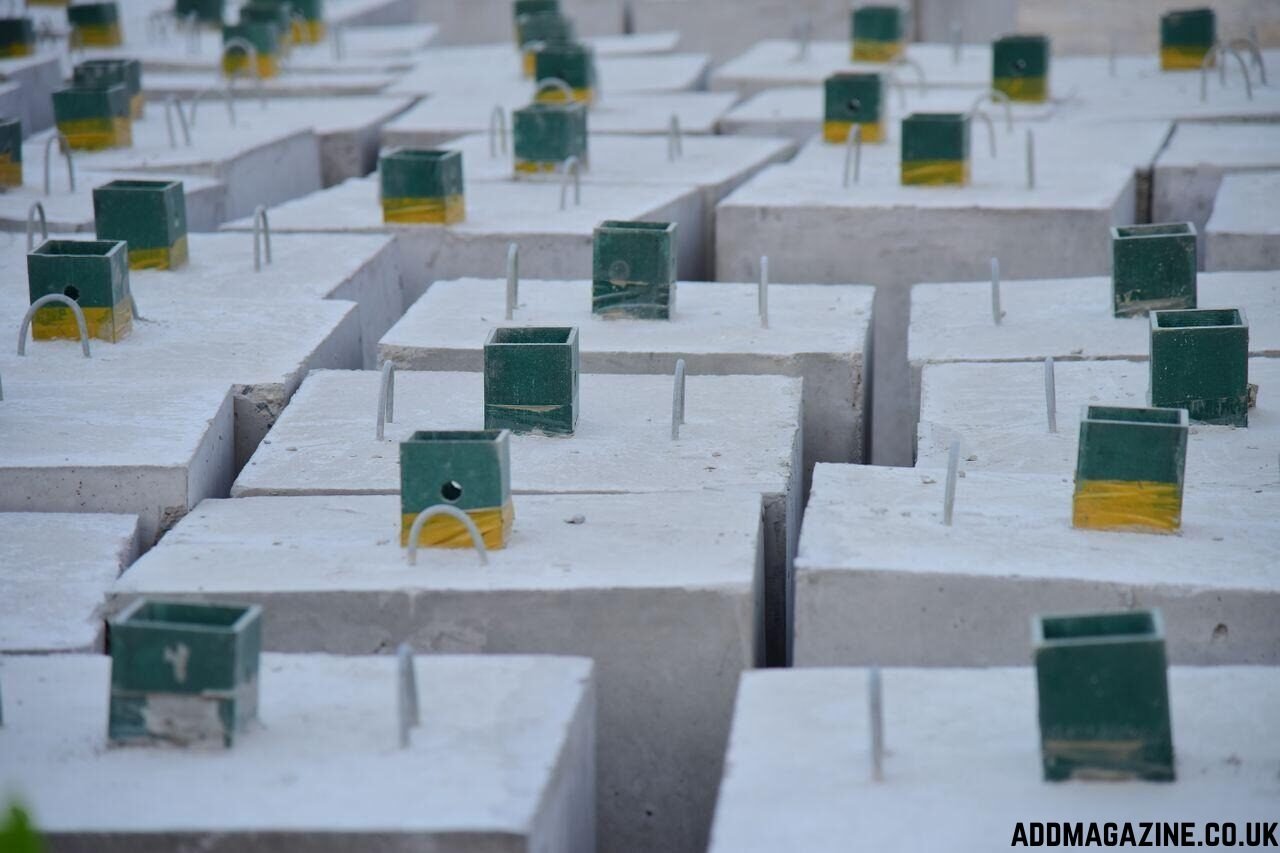
Off-site precasting is commended for speeding construction. Your point is valid. Concrete components produced off-site and supplied ready for installation can save project delays. Hard site conditions may speed formwork, curing, and modifications. This can benefit busy industrial, agricultural, commercial, and infrastructure operations.
Off-site precasting is useful for projects that require strength, accuracy, and practical installation, as shown by reputable providers of precast concrete solutions, such as JP Concrete. However, speed alone does not determine its value. Faster building helps, but control does more. Precasting enhances quality, reduces waste, promotes safety, and results in reliable structures over time.
Better Pre-Installation Control
Manufacturing components in a controlled environment is one of the biggest benefits of off-site precasting. Weather, space, uneven ground, and everyday activity affect on-site construction. In a factory, we can more carefully control the concrete mix, reinforcing, curing, dimensions, and finish. This control reduces uncertainty. A retaining wall unit, panel, barrier, or bay component can be tested before delivery. Off-site production can also ensure installation consistency if the project requires repeated units. For practical construction, even minor variances in size or quality can cause assembly issues.
Less Worksite Disruption
Many locations cannot be closed due to construction. Industrial facilities may demand vehicle movement. Farms may need to store and handle materials. Waste facilities, transport yards, and commercial sites may have restricted space for goods, people, and equipment. Off-site precasting reduces work during active operations. Pre-placed components help reduce the most disruptive project period. Access can be easier with fewer wet works, formwork, and on-site manufacturing. This is particularly useful for safety and continuity concerns.
Reduce Waste with Precision
Overordering, cutting, blunders, inadequate storage, and rework cause construction waste. Because components are produced to specs, off-site precasting can alleviate these concerns. Production allows for more accurate material management and measurement. This does not mean precasting eliminates waste. It needs preparation, transport, and cautious assembly. When designed effectively and manufactured well, the method can reduce material waste. This precision can enhance resource utilisation, especially in sustainable projects.
Safer, Cleaner Sites
Another underappreciated benefit is safety. On-site concrete work may require formwork, wet materials, curing spaces, temporary supports, and more construction workers. Though manageable, these hazards complicate things. Off-site precasting moves several of these activities away from the project. Although lifting equipment, preparation, and skilled installation are still needed, the work site can be cleaner and more organised. Keeping a location clean can simplify vehicle mobility, worker access, and surrounding operations.
Reliable Performance Over Time
Precast concrete’s longevity depends on performance. Components must withstand forces to retain soil, divide storage bays, form barriers, or sustain industrial use. Off-site manufacture ensures consistent quality and strength. This stability is crucial because construction issues can be costly after installation. Moveable walls, failing barriers, and pressure-sensitive bays can disrupt operations and pose safety risks.
Supporting Modular Growth
Off-site precasting complements modular construction. Many websites evolve. A facility may need more storage, traffic separation, stronger borders, or better retaining structures. Planning repeatable precast components simplifies expansion and adjustment. This gives owners practical options as operations shift. Modularity may allow future modifications without starting from scratch. The outcome is a flexible building approach that adapts to site expansion, rather than a predetermined arrangement.
Not Just Fast Construction
The most obvious benefit of off-site precasting is speed, but there are others. Better control over quality, safety, waste, interruption, and long-term performance is valuable. These benefits can be as important as a faster installation.