Open-concept homes look incredible in photos. But once you’re living in one? You start noticing that your sofa is basically three feet from your dinner table with nothing between them but vibes and flooring. No walls, no natural dividers, just one big, beautiful, slightly chaotic room. That’s when you realize you need a smarter solution, fast.
Here’s the thing: a well-chosen rug fixes this almost entirely. Not figuratively. Literally.
Carving Out Zones Without Building a Single Wall
When you’re browsing living room rugs at CityHome, you’ll immediately notice the sheer range, different sizes, textures, piles, and patterns. That variety isn’t just aesthetic noise. It actually matters for how your room functions. Case in point: 67% of homeowners find carpets with varied textures more appealing. Texture isn’t just a touchy-feely preference; it shapes how people read and experience a room visually.
What “Purposeful Placement” Actually Means
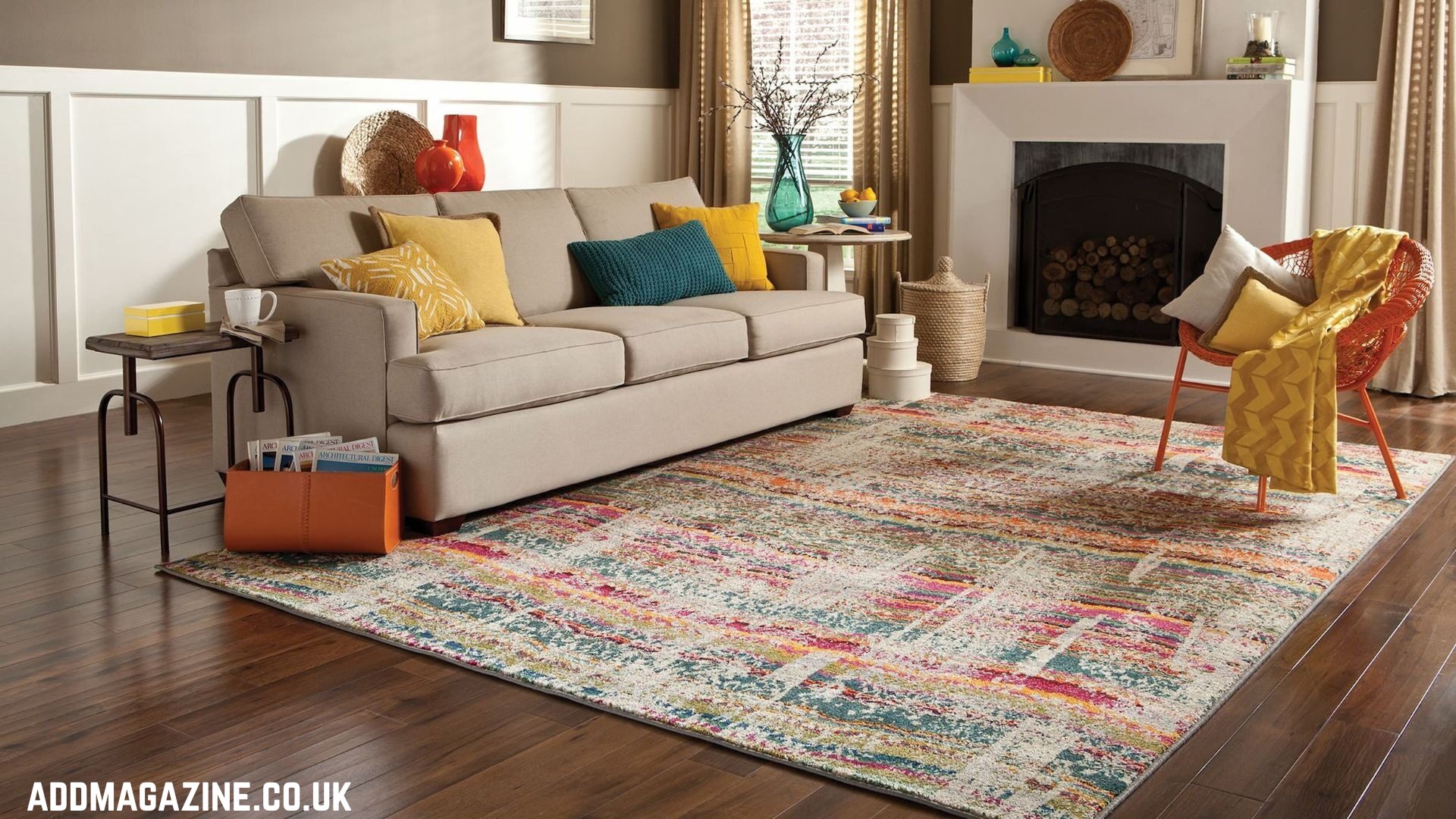
Sliding a rug under your sectional isn’t just decorating. It’s saying, “This corner is for lounging.” Drop a different rug under your dining table and suddenly that area reads as a distinct space, a place for meals, not spillover from the living zone. No partition required.
The mistake most people make? Dropping a rug randomly and hoping it blends. Don’t do that. Think about each zone’s function first, then find a rug that reinforces that intention physically.
Furniture Placement: The Two Methods That Work
Living room rug placement is genuinely make-or-break in open spaces. Two approaches stand out.
The anchored layout puts all furniture legs on the rug, everything’s contained, everything coheres. The floating furniture method puts only front legs on the rug, which works well in smaller zones where you want to hint at a boundary without the rug eating up the entire footprint.
Get this right, and zones feel intentional. Get it wrong, and even a beautiful rug looks lost.
Making the Whole Space Feel Connected, Not Chopped Up
Here’s something counterintuitive: rugs define zones, yes, but they also need to unite the space overall. Think of them as a design language your whole room speaks.
Size, Shape, Material: What Actually Works
Too-small rugs are a plague in open-concept homes. They float awkwardly in the middle of nowhere, making everything around them look disconnected. As a general rule, go larger than you think you need, and aim for at least the front legs of your key pieces resting on the surface.
In high-traffic areas, flatweave or low-pile rugs make practical sense. They clean easily and don’t create tripping hazards when people are moving through frequently. Natural fibers, such as jute, sisal, and wool, add warmth and visual texture without overwhelming a zone.
Running Multiple Rugs? Here’s How to Keep It Cohesive
Once you’ve nailed sizing, the real challenge is coordinating multiple rugs so they harmonize rather than fight. Stick to a shared palette or repeat a pattern element across zones. A bold geometric in the living area can pair beautifully with a solid, muted rug in the dining nook nearby. The visual thread between them keeps the space feeling intentional, not random.
Comfort and Acoustics: The Benefits Nobody Talks About Enough
Open-concept rooms often have a dirty little secret: they echo. Hard floors, tall ceilings, wide walls, sound bounces everywhere. It’s noisy in a way that’s hard to pinpoint until you add a rug and suddenly realize how much quieter everything feels.
Texture Underfoot Matters More Than You Think
Living room rugs with plush, high-pile textures turn a seating area from sterile to genuinely inviting. Bare feet on a thick rug on a Sunday morning, that’s the feeling a room should offer. In dining zones, lower-pile rugs strike a better balance: comfortable enough to set a warm tone, flat enough that chairs slide without snagging.
The Acoustic Benefit Is Real
Incorporating living room rugs throughout an open-concept space significantly absorbs excess noise, reducing that hollow, echo-heavy feeling that so often plagues expansive layouts. This isn’t a minor perk. In homes where open spaces double as work-from-home areas or family gathering spaces, sound absorption becomes a genuine quality-of-life improvement.
Using Rugs to Make Storage and Function Look Intentional
Once comfort and acoustics are sorted, rugs can take on one more organizational role, making your functional corners feel deliberate.
Anchoring Storage Areas Visually
A rug beneath a bookshelf signals “this area has purpose.” It directs foot traffic naturally and makes storage moments feel like design decisions rather than afterthoughts. It’s a subtle psychological trick that genuinely works.
Rugs for Families with Kids or Pets
If your household involves small humans, animals, or both, washable performance rugs are genuinely life-changing. They define zones, handle spills, survive muddy paws, and still look great. Modern options in this category are stylish enough that you’re not making a visual compromise to get the durability you need.
What’s Trending in Rug Design Right Now
The design world moves fast, and rug trends are no exception.
Shapes, Colors, and the Irregular Edge Moment
Irregularly shaped rugs are having a real moment, 21% of designers ranked them among top trends for 2026. For open-concept layouts, non-rectangular rugs create organic zoning that feels relaxed and modern rather than rigid and prescribed. Earthy tones, terracotta, and deep jewel hues are also everywhere; they add immediate warmth to white-walled contemporary spaces.
Sustainability Is No Longer Optional
Wool, jute, recycled cotton, and natural fiber rugs are increasingly the default choice for homeowners who care about where their stuff comes from. Low-VOC options and ethically produced pieces are worth seeking out. You can be beautiful and responsible. The two aren’t mutually exclusive anymore.
Avoid These Common Rug Mistakes
Even with the best intentions, a few missteps consistently derail open-concept rug strategies.
Going too small is the number one culprit. A rug that doesn’t anchor your furniture grouping makes the space feel scattered, not defined. Clashing patterns between adjacent rugs in the same open space is equally damaging; visual noise undermines the entire cohesive effect you’re building.
On the practical side: look for dense weaves, colorfastness ratings, and clear cleaning instructions before buying. Rotating your rugs every six months prevents uneven wear. It takes two minutes and extends their life dramatically.
The Bottom Line
Living room rugs aren’t decoration. In an open-concept home, they’re infrastructure. They define zones, improve acoustics, add comfort, guide movement, and create visual cohesion across expansive layouts, all without touching a single wall.
Get your placement right, choose sizes that genuinely anchor your furniture, and let different rugs speak the same visual language across your space. You’ll be surprised how dramatically one good rug, or a thoughtful combination of several, can transform how your home feels to live in every single day.
Quick Answers to Common Questions
What rug size is most suitable for an open-concept living room layout?
Aim for at least 8×10 in a living zone. Front legs of all main furniture pieces should rest on the rug to create a grounded, unified grouping.
Can I layer multiple rugs in the same open space?
Yes , and it often looks fantastic. Use complementary colors or contrasting textures. A flatweave base topped with a smaller, plush accent rug adds depth without visual clutter.
Can living room rugs help define a home office in an open floor plan?
Absolutely. Placing a rug beneath a desk and chair creates an immediate psychological boundary between work and relaxation , surprisingly effective for focus and mental separation.
Should rugs in open spaces match or contrast?
They don’t need to be identical, but they should relate. Shared tones, complementary patterns, or consistent materials keep things cohesive without making the whole floor look like a showroom.