
Healthcare systems frequently struggle with disconnected software. Patient data gets trapped in separate departmental databases. This creates major gaps in communication and delays care. To bridge these operational gaps, organizations turn to Epic EMR integration. Connecting these systems streamlines clinical workflows and brings digital health tools together seamlessly. For details on building these connections, see https://topflightapps.com/ideas/how-integrate-health-app-with-epic-ehr-emr/. A unified electronic record ensures that critical health data follows the patient across every clinic, laboratory, and hospital visit. This removes friction entirely.
Why Data Silos Still Hold Healthcare Organizations Back
Fragmented software systems isolate crucial patient details. Doctors work with half the story. According to a landmark Johns Hopkins study, medical errors due to bad communication cause over 250,000 deaths annually in the US. Clinicians waste valuable time searching multiple screens for basic information. This delay slows critical clinical decisions. Administrators face high costs from duplicated medical tests and slow billing cycles. Typo errors occur frequently when typing the same information twice into separate systems. Patients feel the friction immediately during visits. They must repeat their medical history at every department. Their care experience becomes disjointed and frustrating. Resolving this problem requires proper Epic EHR integration to break down these digital walls permanently. Data must move freely to be useful. When info stays locked in one department, the whole healthcare network suffers. Operational costs rise and care quality drops. Healthcare teams need a single source of truth to protect patients and save valuable time. Fragmented records hurt everyone involved in the care cycle.
Why Epic EMR Integration Turns Fragmented Data Into Connected Care
Connecting software changes how modern hospitals function. It transforms isolated files into an active, accessible network. This unified setup links the main patient record directly to external applications. Labs, imaging centers, and billing systems talk to each other without human intervention. Organizations often ask how to integrate with Epic EMR without disrupting daily hospital operations. The process involves mapping particular data points so different software programs understand each other. This smooth communication eliminates the need for faxing or scanning paper records between separate offices. Staff can instantly see lab results or medication updates from external clinics. It also helps tools like remote monitoring devices send vital signs straight to the chart. Medical tracking data becomes instantly available. Providers who integrate with Epic EHR systems notice immediate workflow improvements across departments. Data flows precisely where it is needed most. Administrators track financial metrics alongside clinical outcomes. It removes guesswork from care management completely. The goal remains simple. Keep data moving securely to support medical teams. Connected care means information is always ready for the next medical decision. This structural upgrade removes the heavy administrative burden from clinical teams.
Connecting Clinical, Administrative, and Patient-Facing Systems
A complete network links medical workflows with business tools. Scheduling software talks directly to the clinical calendar. When a patient books an appointment online, the system updates the provider’s schedule instantly. Telehealth platforms stream video and log visit notes into the central chart simultaneously. Patient portals let individuals view their lab results or message doctors securely. Behind the scenes, analytics tools pull data to track hospital performance. Using the Epic EMR API makes these connections reliable and secure. It acts as a digital bridge between different software environments. This link reduces clerical errors and saves administrative hours. Every department works from the same set of updated facts.
Making Data More Useful at the Point of Care
Doctors need accurate facts during a patient encounter. Connected data provides this context instantly. During a rushed visit or referral, a physician can see past treatments clearly. They do not have to guess about prior medications. This clarity is vital during care transitions, such as moving a patient from an ICU to a local clinic. Success relies on clean workflow design and proper data mapping. Systems must exchange files securely without lagging. Developers utilize the Epic EHR API to fetch specific records during appointments safely. This access gives care teams real-time insights when making life-saving choices. Useful information at the right moment improves treatment safety.
How Connected Data Improves Patient and Provider Experiences
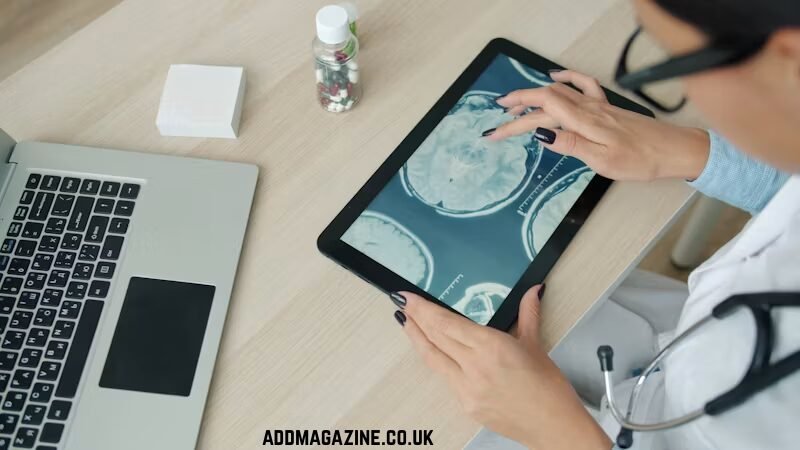
Unified data directly improves daily experiences for everyone involved. A national survey showed that 70% of physicians experience chronic burnout. This issue is often driven by bureaucratic tasks and poor software interfaces. Reducing screen time helps doctors focus entirely on medicine. Patients also receive better, faster attention without annoying administrative delays.
Here are the primary benefits of this connected approach:
- Faster access to historical clinical records during emergencies.
- Fewer repeated intake questions for patients changing departments.
- Smoother digital referrals that transmit notes automatically to specialists.
- Better follow-up tracking through automated patient portal reminders.
- Coordinated communication across pharmacy, laboratory, and nursing teams.
This structured flow prevents important details from slipping through the cracks. Staff members coordinate complex care without playing phone tag. Patients feel more secure when their medical team acts as a cohesive unit. Everyone benefits from shared visibility.
What Healthcare Teams Should Plan Before Integration
Successful integration requires clear preparation. Teams must define their specific goals before writing code. Identify which data sources need to connect. Determine who requires access to the information and establish strict user roles. Security and compliance remain non-negotiable priorities under HIPAA rules. Estimates suggest data breaches cost healthcare organizations an average of $10 million per incident. Engineers must follow industry interoperability standards like FHIR or HL7 closely. When using API Epic EMR tools, developers must thoroughly test data transmission. Testing ensures records do not warp or disappear during transfer. Plan for long-term system maintenance, too. Software updates can break connections if not monitored regularly. Remember that technology should solve existing workflow problems. Do not just move data around for the sake of it. If a connection makes a nurse’s job harder, it fails. Build systems that fit naturally into daily hospital routines.
The Long-Term Value of Moving From Silos to Connected Care
Eliminating data silos delivers lasting advantages. It establishes a strong foundation for continuous care. Hospital leaders gain clear operational visibility across multiple facilities. They can track patient outcomes accurately over several years. This system also drives digital health innovation by making it easier to adopt new tools. Modern patient engagement relies on this availability. Individuals manage their health better when they see their complete medical history online. However, software alone cannot fix systemic medical challenges. Real success combines robust technology with well-designed clinical workflows. Training staff to use these connected systems guarantees long-term utility. Investing in reliable Epic EMR integration pays off by protecting patients and making daily clinical work more efficient.