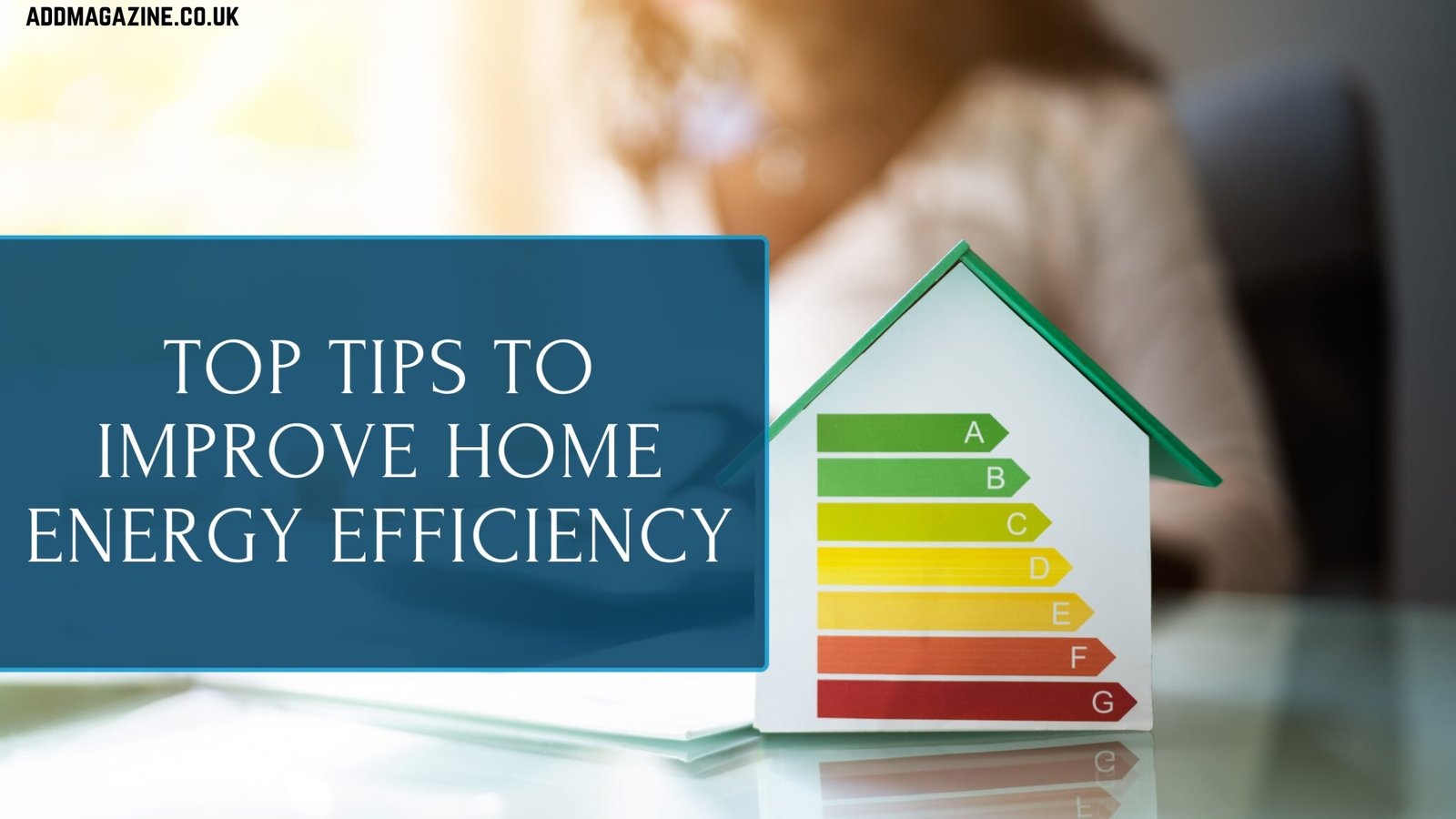
Rising energy costs have made household efficiency one of the most pressing concerns for property owners across the UK. What many homeowners and landlords overlook is that the single most influential document shaping buyer and tenant decisions is not the floor plan or the photographs, but the Energy Performance Certificate. This certificate distills the efficiency of your entire property into a single rating from A to G, and that rating directly affects how much your home costs to run, how attractive it is to prospective buyers, and whether you can legally let it out. For those in the capital, securing a strong Energy Performance Certificate in London has become essential, not optional.
The good news is that meaningful improvements are within reach for most properties, and many of the most effective measures cost less than people assume.
Understanding What Your Energy Rating Actually Means
An Energy Performance Certificate evaluates how much energy a property consumes and how much carbon it produces. The assessment is conducted by a qualified professional who inspects the building fabric, heating systems, glazing, lighting, and ventilation. The data is processed through government-approved software that produces a rating using the Standard Assessment Procedure. The result is a score from A, representing exceptional efficiency, to G, indicating significant energy waste. What separates this document from a mere technicality is its legal and financial weight. Since 2008, every property sold or rented in England and Wales must have a valid EPC.
Start With the Roof: Loft and Roof Insulation
Heat rises, and in an uninsulated home, approximately a quarter of all heat escapes through the roof. This makes loft insulation one of the most impactful and affordable improvements available. For properties with accessible lofts and no existing insulation, installing mineral wool to a depth of 270 millimetres can reduce heat loss dramatically. Even properties with older, thinner insulation can benefit from topping up to modern standards.
The assessment methodology recognises insulation depth directly. A well-insulated loft can improve the EPC rating by several points, which may be the difference between a D and a C, or an E and a D. The work itself is straightforward, typically completed within a day, and the materials are inexpensive. For properties with pitched roofs and habitable loft spaces, insulating between and over the rafters provides both thermal performance and usable living space.
Address the Windows and External Doors
Single-glazed windows are one of the most common reasons for poor EPC ratings in older properties. They offer minimal thermal resistance, allow draughts to penetrate, and create cold spots that make rooms feel uncomfortable regardless of how high the thermostat is set. Upgrading to modern double glazing with low-emissivity coatings and inert gas filling between the panes transforms both the rating and the living experience.
The EPC assessment records the type of glazing throughout the property, the frame material, and the extent of draught-proofing. Even partial upgrades, such as replacing the worst-performing windows first, can produce measurable improvements. For properties where full replacement is impractical, secondary glazing offers a viable alternative that the assessment methodology recognises.
Upgrade the Heating System and Controls
The heating system is the single largest contributor to a property’s energy consumption, which means it carries the greatest weight in the EPC calculation. Older boilers, particularly non-condensing models over fifteen years old, score poorly because they waste a significant portion of the fuel they burn. Upgrading to a modern condensing boiler with an A-rated efficiency classification can improve the EPC rating substantially, often by five to ten points depending on the baseline.
However, the boiler itself is only part of the equation. The assessment also evaluates how the heating is controlled. A system with no thermostat, no programmer, and no thermostatic radiator valves will score far worse than the same boiler with proper controls installed. Adding a programmable thermostat allows heating to be scheduled around occupancy, ensuring the property is warm when needed and saving energy when empty.
Switch to Efficient Lighting Throughout
Lighting represents a smaller portion of overall energy use than heating, but it is one of the easiest and cheapest improvements to implement. The EPC assessment records the proportion of fixed light fittings that use energy-efficient technology. Properties where every fitting still uses incandescent or halogen bulbs will score noticeably worse than identical properties with LED lighting throughout.
LED bulbs use approximately eighty percent less electricity than traditional incandescent bulbs and last many times longer, which means the upgrade pays for itself quickly through reduced electricity bills and lower replacement costs. The installation is simple enough for most homeowners to complete without professional assistance..
Insulate the Walls Properly
Walls account for roughly a third of heat loss in a typical home, which makes wall insulation one of the most significant upgrades available. For properties with cavity walls, which became standard construction from the 1920s onward, cavity wall insulation is relatively straightforward. Insulation material is injected into the gap between the inner and outer leaf of the wall, reducing heat transfer without altering the external appearance of the property. The improvement to both comfort and EPC rating can be substantial.
For older properties with solid walls, which are common in Victorian and Edwardian terraces across London, the options are more involved but still valuable. External solid wall insulation involves adding an insulated layer to the outside of the property, which improves the rating significantly but changes the external appearance and requires planning permission in some cases.
Use Smart Technology to Manage Consumption
Smart home technology has matured beyond novelty into genuine energy management tools. Smart meters provide real-time visibility of electricity and gas use, which helps occupants identify wasteful habits and adjust behaviour accordingly. While smart meters do not directly affect the EPC rating, the awareness they create often leads to reduced consumption that supports a more efficient home overall.
Smart heating controls, by contrast, are increasingly factored into the assessment. Together, these technologies create a property that operates efficiently by design, not by accident.
Preparing for Your Assessment
Before the assessor arrives, ensure the property is ready. All rooms must be accessible, including lofts, cellars, and outbuildings. The boiler, heating controls, and hot water cylinder should be visible and operational. Gather any documentation that supports improvements you have made, such as insulation certificates, glazing guarantees, or boiler installation records. This evidence can help the assessor verify specifications that are not visible during the inspection and may result in a more favourable rating.
Choose your assessor carefully. Only accredited professionals registered with government-approved schemes can issue valid certificates. At EPC Certs, our assessors hold current accreditation through Elmhurst Energy, the UK’s largest independent accreditation body. We conduct thorough assessments, lodge certificates directly on the official UK EPC Register, and deliver results within 24 to 48 hours.
Our residential assessments begin at just £89, with straightforward pricing and tailored recommendations to help you achieve the best possible energy rating for your property. Whether you need an initial assessment, a renewal, or advice on preparing your property for the 2027 regulatory changes, we offer the expertise to keep your property compliant, marketable, and efficient.