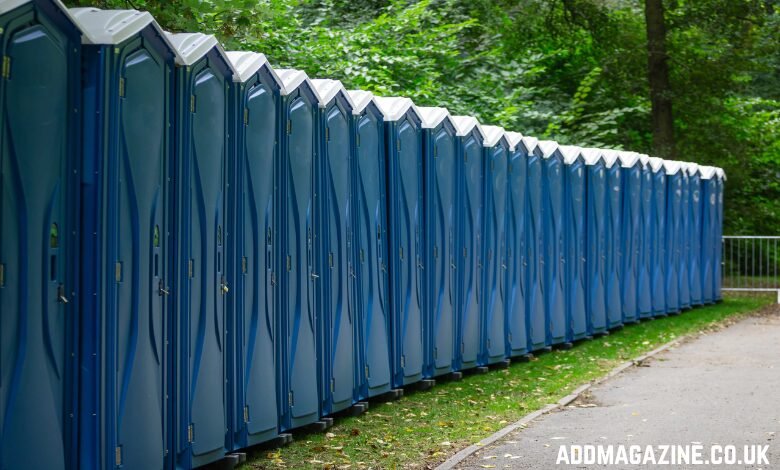
For most people, a portable toilet is a familiar sight at music festivals, construction sites, and outdoor weddings. We use them, appreciate their convenience, and then move on without a second thought. However, have you ever paused to wonder about the engineering behind them? Unlike the porcelain throne in your bathroom, these units operate without a connection to a mains sewer line or a constant water supply, points out Clockwork Management company.
Understanding how a chemical portable toilet works is essential for event planners, site managers, and anyone looking into portable toilet hire from Blue Box Hire. Knowing the mechanics helps in choosing the right number of units, maintaining hygiene standards, and ensuring a pleasant experience for users.
This guide dives deep into the science, chemistry, and design of the modern portable toilet.
The Core Design: A Self-Contained System
At its heart, a chemical portable toilet is a self-contained, closed-loop system. While a standard home toilet uses a “flush and forget” mechanism that sends waste miles away through a network of pipes, a portable unit must store and treat everything on-site until it is professionally serviced.
The typical unit consists of four primary components:
- The Toilet Seat and Bowl: Designed for ease of cleaning and durability.
- The Holding Tank: Located directly beneath the seat, this is where the waste is stored.
- The Flushing Mechanism: Usually operated by a foot pump or hand lever.
- The Chemical Solution: The “secret sauce” that makes the whole system hygienic and odour-free.
The Four Stages of the Chemical Process
The reason these units don’t smell like a traditional outhouse is due to a sophisticated chemical process. When you use a portable toilet, four distinct actions occur to manage the waste.
1. Neutralising Odours
The primary concern with portable sanitation is the smell. The blue liquid you see in the tank contains powerful masking fragrances and chemical neutralisers. These don’t just cover up smells; they work to neutralise the malodorous gases (like hydrogen sulphide) produced by decomposing waste.
2. Breaking Down Solids
If waste were left in its natural state, the tank would fill up quickly and become difficult to empty. The chemical solution contains dyes and enzymes designed to break down solid waste and toilet paper into a more homogenous, liquid consistency. This “slurry” is much easier for service technicians to vacuum out during maintenance.
3. Killing Bacteria and Pathogens
Hygiene is the most critical factor. The chemicals are formulated to kill harmful bacteria that can lead to disease. By suppressing bacterial growth, the solution also slows down the natural fermentation process that causes “off-gassing” and bad smells.
4. Visual Masking
Psychology plays a part in hygiene. Most portable toilet chemicals contain a deep blue dye. This serves a dual purpose: it hides the contents of the tank from the user’s sight, providing a “cleaner” visual experience, and it acts as an indicator. When the blue liquid begins to turn green, it signals that the chemicals are becoming diluted and the tank is reaching capacity.
How the Flush Works Without Plumbing
Without a mains water connection, how does a portable toilet flush? There are two main types of flushing systems used in the industry:
The Recirculating Flush
In many standard units, the “flush” uses the chemical liquid already in the tank. When you depress the foot pump, the filtered blue liquid is pulled up and swirled around the bowl to rinse it. This is highly water-efficient, as it requires no fresh water for the flushing action itself.
The Fresh Water Flush
High-end units or luxury trailers often feature a freshwater flush. These have a separate internal tank filled with clean water. While this provides a more “home-like” experience, it does mean the holding tank fills up faster because new liquid is being added with every use.
The Role of Ventilation
Even with advanced chemistry, air circulation is vital. If you look at the roof or sides of a portable toilet, you will notice small vents or a tall pipe extending from the holding tank through the roof.
This is known as the vent pipe. It uses the “chimney effect” to draw air from the cabin, across the top of the waste tank, and out through the roof. This ensures that any lingering gases are whisked away by the breeze rather than settling inside the cubicle.
Maintaining the System: The Service Cycle
A chemical toilet is only effective as long as the chemicals are active and the tank has space. For long-term construction site toilet hire, units are typically serviced weekly.
The service process involves:
- Vacuum Extraction: A specialised “vacuum tanker” uses a large hose to suction the waste out of the holding tank.
- Sanitisation: The interior of the tank and the cubicle walls are pressure-washed and disinfected.
- Recharging: Fresh water and a precise dose of concentrated blue chemical are added back into the tank.
- Restocking: Hand sanitiser, soap, and toilet rolls are replenished.
Environmental Considerations: What Happens to the Waste?
A common question is: “Where does it go after it’s sucked out?”
Modern portable toilet providers are strictly regulated. The collected waste is transported to an authorised waste treatment facility. Here, it is treated similarly to standard sewage, ensuring that the chemicals and waste are processed safely without harming the environment.
Many providers now use biodegradable, formaldehyde-free chemicals. Formaldehyde was once the standard for portable toilets, but its harsh environmental impact has led the industry toward greener, enzyme-based alternatives that are just as effective at controlling odours but much kinder to water treatment plants.
Choosing the Right Setup for Your Site
Now that you know how they work, you can make better decisions for your project or event.
- For Festivals and Large Events: You need recirculating units with high-capacity tanks. Because these are high-traffic areas, the “blue dye” indicator is vital for your site crew to monitor when a pump-out is needed.
- For Weddings: You might opt for “fresh water flush” luxury trailers. These work on the same chemical principle but hide the “industrial” look behind porcelain fittings and separate waste compartments.
- For Construction Sites: Durability and regular servicing are the priorities. HSE regulations require a specific ratio of toilets to workers (usually 1 toilet per 7 people for a 40-hour work week).
Why You Shouldn’t “DIY” Portable Toilet Chemicals
It can be tempting to try to extend the life of a unit by adding household bleach or disinfectants. Do not do this. Household chemicals can react poorly with the specialised solutions in the tank, potentially creating dangerous fumes or damaging the seals of the pump system. Furthermore, certain chemicals can kill the beneficial bacteria at treatment plants, leading to heavy fines for the waste carrier. Always leave the “recharging” of the unit to the professional hire company.
Summary: A Triumph of Temporary Engineering
The chemical portable toilet is a remarkably efficient piece of kit. By combining fluid dynamics, targeted chemistry, and smart ventilation, it provides a sanitary solution in places where modern infrastructure simply cannot reach.
Whether it’s keeping a workforce productive on a skyscraper project in London or ensuring guests are comfortable at a countryside wedding in Surrey, these units are the unsung heroes of outdoor events.